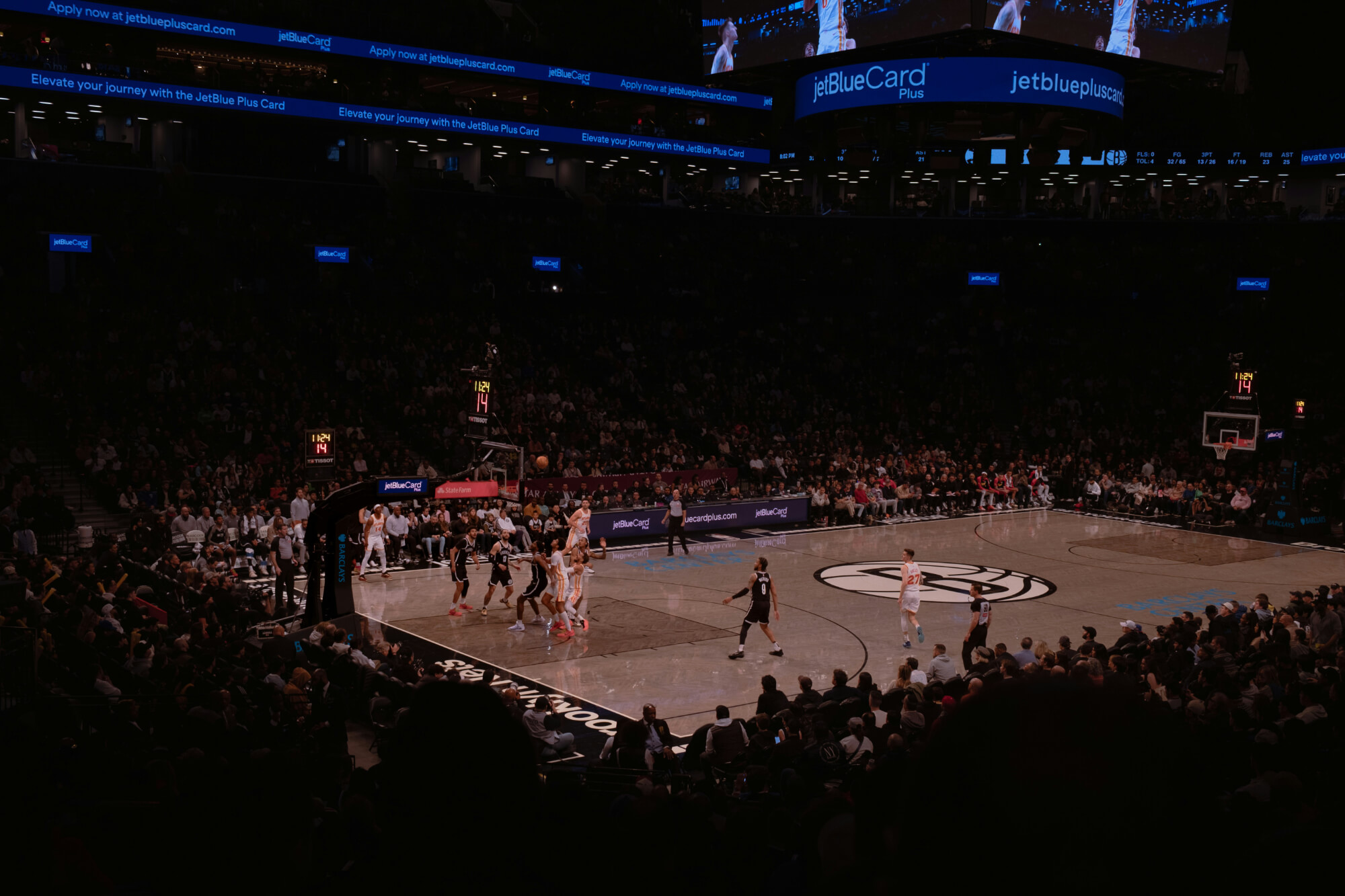
Which NBA teams are built for long-term success is a question defined by a franchise’s ability to balance elite talent, flexible salary cap management, and consistent draft asset accumulation. While the league’s collective bargaining agreement—most notably the restrictive second apron—has made maintaining deep rosters more difficult, organizations like the Oklahoma City Thunder, Boston Celtics, and Minnesota Timberwolves have emerged as models for sustained competitiveness through strategic team-building and high-level scouting.
For a team to achieve long-term viability in the modern NBA, it must move beyond simple star power. According to NBA official collective bargaining resources, the current salary cap structure penalizes teams that exceed specific spending thresholds, effectively forcing front offices to prioritize home-grown talent and cost-controlled rookie contracts. This shift has altered the landscape, making the draft and developmental pipelines as critical as free agency.
The Oklahoma City Thunder: A Blueprint for Depth
The Oklahoma City Thunder currently represent the most aggressive example of long-term planning through asset accumulation. Under General Manager Sam Presti, the franchise spent several years hoarding draft capital, resulting in a roster that features core stars like Shai Gilgeous-Alexander, Chet Holmgren, and Jalen Williams. By prioritizing players who fit a specific defensive and versatile archetype, the Thunder have maintained a low payroll relative to their competitive standing, according to financial data provided by Spotrac.
This strategy allows the organization to extend its window of contention. Because the majority of their core players are either on rookie-scale contracts or team-friendly extensions, the Thunder possess the financial maneuverability to trade for veteran support if needed, or to absorb salary without triggering the most punitive luxury tax measures. The focus remains on internal growth, a philosophy that has consistently kept the team in the upper echelon of the Western Conference standings throughout the 2023-2024 season.
Boston Celtics: The Cost of Sustained Excellence
The Boston Celtics, led by President of Basketball Operations Brad Stevens, have taken a different approach to long-term success: aggressive investment in an established core. After winning the 2024 NBA Championship, the Celtics solidified their roster by signing Jayson Tatum and Jaylen Brown to long-term extensions, as reported by ESPN. This approach acknowledges that while the second apron limits roster flexibility, retaining elite two-way wings is the most reliable path to deep playoff runs.
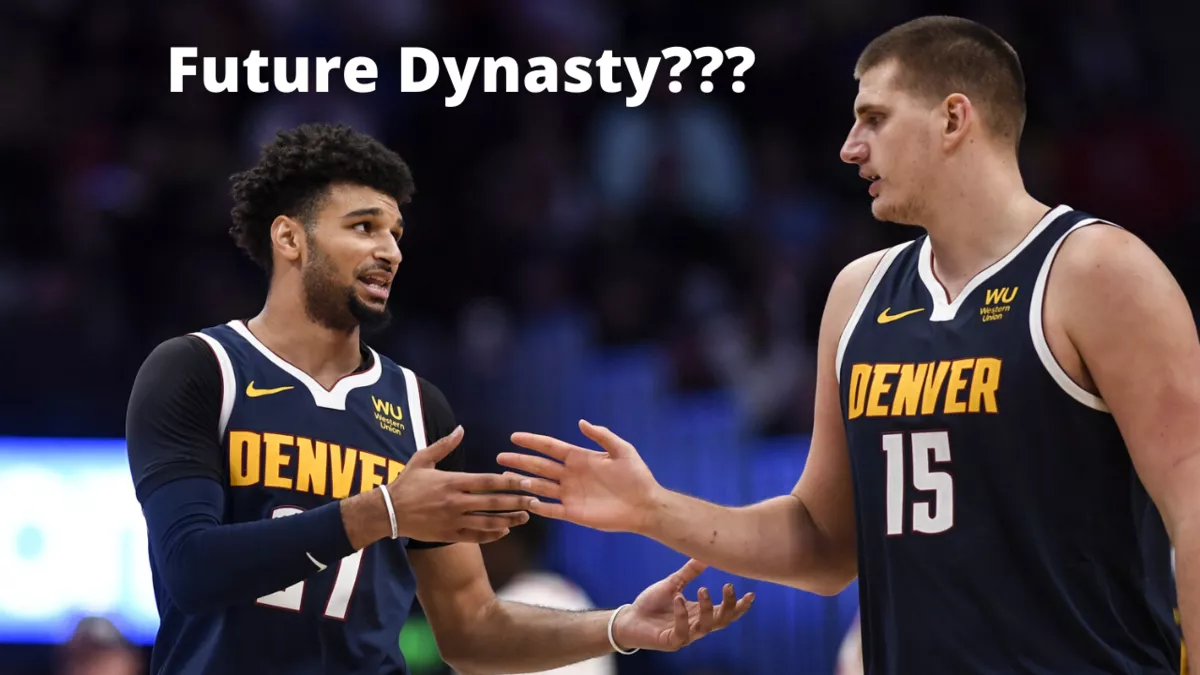
The challenge for Boston is managing the financial consequences of this strategy. By committing massive percentages of their salary cap to two players, the Celtics rely on finding undervalued talent to fill out their rotation. This requires a high-functioning front office that can identify contributors in the later stages of the draft or via minimum-salary signings. As noted by Basketball-Reference, the team’s ability to remain under the most restrictive financial penalties while maintaining title-contender status will be the primary metric for their long-term success over the next five years.
Minnesota Timberwolves and the Future of Size
The Minnesota Timberwolves have positioned themselves for long-term success by betting on a unique roster construction centered around defensive length and interior dominance. By pairing Anthony Edwards—a foundational superstar—with elite defensive anchors, the Timberwolves have created a defensive identity that is difficult for opponents to replicate. According to official NBA defensive rating statistics, Minnesota has remained one of the league’s most efficient defensive units, a factor that historically correlates with sustained regular-season success.
The long-term viability of this core depends on their ability to manage the salary cap as Anthony Edwards enters his prime. As his designated rookie extension kicks in, the team will face similar pressures to the Celtics. The front office’s decision-making regarding their secondary stars will determine whether they remain a championship contender or fall into the middle-of-the-pack category common among teams that over-leverage their cap space.
Key Factors for Sustained NBA Success
Beyond specific team strategies, professional basketball analysis points to three universal pillars for long-term health:
- Draft Efficiency: The ability to select contributors outside of the lottery remains the most significant advantage for teams like the Miami Heat and Oklahoma City.
- Player Development Infrastructure: Investing in coaching and G-League affiliates allows teams to “grow” their own depth, mitigating the need for expensive free-agent acquisitions.
- Cap Flexibility: Avoiding “bad money”—long-term contracts for declining veterans—is the single greatest predictor of a team’s ability to pivot during a rebuild or an injury crisis.
These principles ensure that organizations are not just successful for one season, but capable of remaining in the conversation for the Larry O’Brien Trophy annually. As the league enters the next phase of its media rights deal, which is expected to increase the salary cap significantly, the teams that have already secured their core talent on long-term deals will hold a distinct advantage over those forced to navigate a rapidly inflating market.
The next major checkpoint for these franchises will be the 2025 NBA Draft and the subsequent free agency period, where teams will look to address depth gaps created by the new salary cap landscape. Readers are encouraged to check official team filings and league transaction logs for updates on roster movements throughout the upcoming offseason.
Worth a look
- How to Choose the Best Football-Themed Casino Games for Your 2026 World Cup Campaign
- Liga BetPlay 2026-II: DIMAYOR Announces New Schedule and Fixture Changes After Postponements
- Prosecuting Asia-Pacific Crimes: Universal Jurisdiction & The Future Crimes Against Humanity Convention (archyworldys.com)
- How I Built the Women and Money Montréal Community (archynewsy.com)