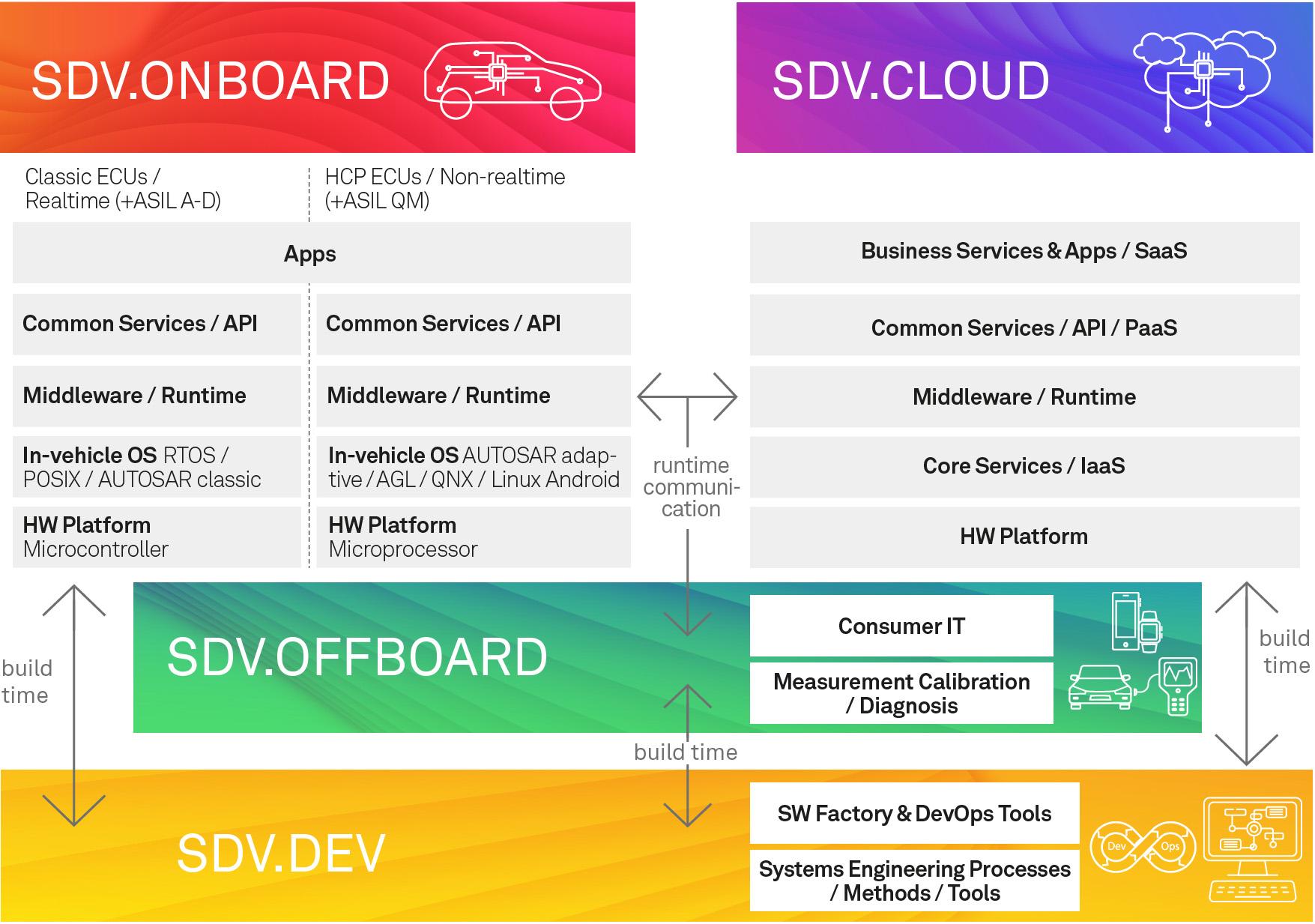
Software-defined vehicle (SDV) development is increasingly reliant on digital twin technology to bridge the gap between complex software architectures and physical automotive hardware. By creating virtual replicas of vehicle systems, manufacturers can simulate, test, and update software in real-time, effectively moving away from the rigid, isolated, and proprietary architectures that have historically defined automotive engineering, according to industry analysis by McKinsey & Company. This shift is critical as vehicles evolve into mobile computing platforms requiring constant over-the-air updates and integrated connectivity.
As the automotive industry transitions toward software-centric models, the reliance on digital twins has become a foundational strategy for agile development. These virtual models allow engineers to decouple software development from physical hardware availability, enabling continuous integration and continuous deployment (CI/CD) cycles that were previously impossible in traditional automotive manufacturing. This methodology, often referred to as “shifting left,” allows developers to identify potential software conflicts early in the design phase, reducing both cost and time-to-market for complex vehicle features.
The Evolution from Proprietary Architectures to Open Systems
Historically, automotive software was siloed within specific electronic control units (ECUs), with each component running on proprietary code that made interoperability difficult. As noted by the International Organization for Standardization (ISO) in its guidelines regarding automotive software safety and quality, the complexity of modern vehicles—which can contain over 100 million lines of code—requires a move toward standardized, modular architectures. Digital twins serve as the testing ground for this transition, allowing developers to ensure that new software modules function correctly within a virtual environment before being deployed to the vehicle’s central compute platform.
:max_bytes(150000):strip_icc()/International-organization-for-standardization-iso_final-b27be2acded9456e97da01347d2ebe79.png "The Evolution from Proprietary Architectures to Open Systems")
The transition to SDVs is not merely a software upgrade but a fundamental restructuring of the vehicle’s electrical and electronic (E/E) architecture. By utilizing digital twins, manufacturers can maintain a persistent, synchronized version of a vehicle’s software state. This synchronization is essential for managing the lifecycle of safety-critical systems, such as advanced driver-assistance systems (ADAS) and autonomous driving functions, which require rigorous validation under varying environmental conditions that are more efficiently replicated in a virtual space than on a physical test track.
How Digital Twins Facilitate Agile Development
Agile development in the automotive sector relies on the ability to iterate rapidly. Digital twins act as a “living” representation of the vehicle, providing a sandbox for developers to push updates and monitor performance metrics without risking physical hardware. According to research from Gartner, the use of digital twins is projected to increase significantly as organizations seek to improve operational efficiency and product quality. By simulating the interaction between hardware and software, teams can identify bottlenecks and latency issues that might otherwise only surface during late-stage physical testing.

This approach also addresses the challenge of hardware-software integration. Because digital twins can mimic the communication protocols and data exchange patterns of the vehicle’s internal network, developers can refine software performance in a controlled environment. This is particularly important for managing the increasing data loads generated by modern sensor suites, which require high-bandwidth communication and low-latency processing to function safely.
Addressing Security and Data Integrity
The move toward open, connected architectures introduces new security vulnerabilities that must be mitigated. Digital twins provide a platform for security researchers and developers to conduct vulnerability assessments and stress testing against simulated cyberattacks. The National Institute of Standards and Technology (NIST) emphasizes the importance of robust cybersecurity frameworks for connected systems, noting that continuous monitoring and testing are essential for maintaining system integrity throughout the vehicle’s operational lifespan. By using digital twins, companies can deploy security patches to the virtual model first, ensuring that updates do not inadvertently disrupt other vehicle functions.
Furthermore, the data generated by these digital twins provides valuable insights for predictive maintenance. By comparing real-world vehicle data against the performance of the digital twin, manufacturers can identify parts that are nearing the end of their service life or software anomalies that suggest a potential system failure. This feedback loop creates a more resilient vehicle ecosystem, where software updates are not just reactive fixes but proactive enhancements to the vehicle’s overall performance and safety profile.
Industry Outlook and Future Milestones
The automotive industry continues to face pressure to accelerate innovation cycles while maintaining the high safety standards required for consumer vehicles. Upcoming industry forums and technical conferences, such as the SAE International events, are expected to feature updated standards and best practices for the implementation of digital twin technology in SDV programs. These events serve as a primary checkpoint for manufacturers to align on industry-wide protocols for data sharing and model interoperability.

As development continues, stakeholders are encouraged to track the latest publications from the Automotive Software Institute regarding the standardization of virtual testing environments. The integration of digital twins into the core of the SDV development lifecycle represents a significant shift in how vehicles are designed, built, and maintained. Readers are invited to share their experiences with digital twin implementation or ask questions regarding the technical challenges of moving to software-defined architectures in the comments section below.
Related reading
- France to Revise Under-15 Social Media Ban After Constitutional Council Censorship
- Ninth Circuit Rejects Meta and TikTok Appeals, Allowing Social Media Addiction Lawsuits to Proceed
- Prosecuting Asia-Pacific Crimes: Universal Jurisdiction & The Future Crimes Against Humanity Convention (archyworldys.com)