
In the rapidly evolving landscape of modern medicine, clinical trials have reached unprecedented levels of complexity. As researchers strive to develop more specialized therapies, the protocols governing these studies have become increasingly granular, with refined endpoints and stringent eligibility criteria. Yet, this push for precision often collides with the industry’s demand for faster, more efficient development cycles. For many, the result is a persistent gap between theoretical feasibility and the reality of patient recruitment, leading to operational strain, rising costs, and delayed timelines.
Leveraging real-world data (RWD) for proactive protocol design is no longer just a strategic advantage; This proves becoming a necessity for sponsors looking to bridge this divide. By shifting the focus from retrospective analysis to data-informed foresight, clinical teams are beginning to address the root causes of underperforming sites and misaligned study criteria before a single patient is enrolled.
Moving Beyond Retrospective Analysis
For years, the application of real-world evidence has been largely confined to post-marketing research or reactive adjustments made during study execution. When enrollment velocity stalls or clinical standards shift mid-trial, teams often find themselves in a position where only tactical, rather than strategic, pivots are possible. By the time these signals emerge, the protocol is already fixed, and the opportunity to optimize the study design for the actual patient population has passed.
A more effective approach involves integrating real-world insights during the design phase. By utilizing longitudinal clinical data—such as electronic health records (EHR) combined with insurance claims—sponsors can conduct a rigorous “stress test” of their study assumptions. This allows researchers to evaluate how inclusion and exclusion criteria align with the actual treatment journeys of patients in clinical practice. Factors such as prior lines of therapy, specific laboratory trends, and documented disease severity markers provide a clearer picture of the eligible patient pool than high-level estimates or anecdotal investigator recall ever could.
Precision in Site and Patient Strategy
Historically, sponsors have relied on aggregate enrollment metrics to select research sites. However, past performance is not always a reliable indicator of a site’s ability to identify and enroll patients who meet highly specific, modern eligibility requirements. The competition for qualified participants has intensified, making a patient-level feasibility assessment critical.

Advanced modeling now enables teams to simulate enrollment scenarios by examining patient funnels, referral dynamics, and local treatment pathways. This allows sponsors to move away from directional forecasting toward data-informed planning. As noted by Emily Carter of AbbVie, “By scaling the site insights derived from real-world data, we’re better able to select sites that enroll patients aligned with our trial criteria.”
This level of precision ensures that sites are not just chosen based on their history, but on their current capacity to manage the specific patient populations required for the study. By mapping the treatment journey from diagnosis to referral, sponsors can better anticipate which sites are likely to sustain recruitment throughout the life of the trial.
The Challenge of Data Integrity
While the potential for RWD is significant, its utility is tethered to the quality of the underlying information. Challenges such as inconsistent coding, limited data linkage, and gaps in longitudinal continuity can compromise the reliability of even the most sophisticated analytics. There is a broad consensus among experts that no amount of machine learning or artificial intelligence can overcome poor-quality data.
Alex Asiimwe, PhD, of Gilead Sciences, emphasized this point, stating, “Real world data is an essential part of our development lifecycle when it comes to generating evidence. One of the main challenges is data quality. You can have as much data as you want, but if quality is poor, you can apply your AI and everything to be garbage in, garbage out.”
infrastructure fragmentation remains a significant hurdle. Many organizations still operate within functional silos, lacking the standardized frameworks necessary to share and integrate insights across clinical, regulatory, and operational teams. For global development programs, the complexity is compounded by varying data availability and accessibility across different regions. To be successful, companies must prioritize scalable infrastructure, clear governance, and embedded workflows that ensure insights can be generated in alignment with development timelines.
A Fit-for-Purpose Future
The integration of RWD should be guided by scientific rationale rather than industry trends. Regulatory bodies have shown increased openness to real-world evidence, provided it is used in a fit-for-purpose manner that strengthens the integrity of the clinical development process. This requires a cross-functional commitment to weighing the trade-offs between ethics, feasibility, and data rigor.
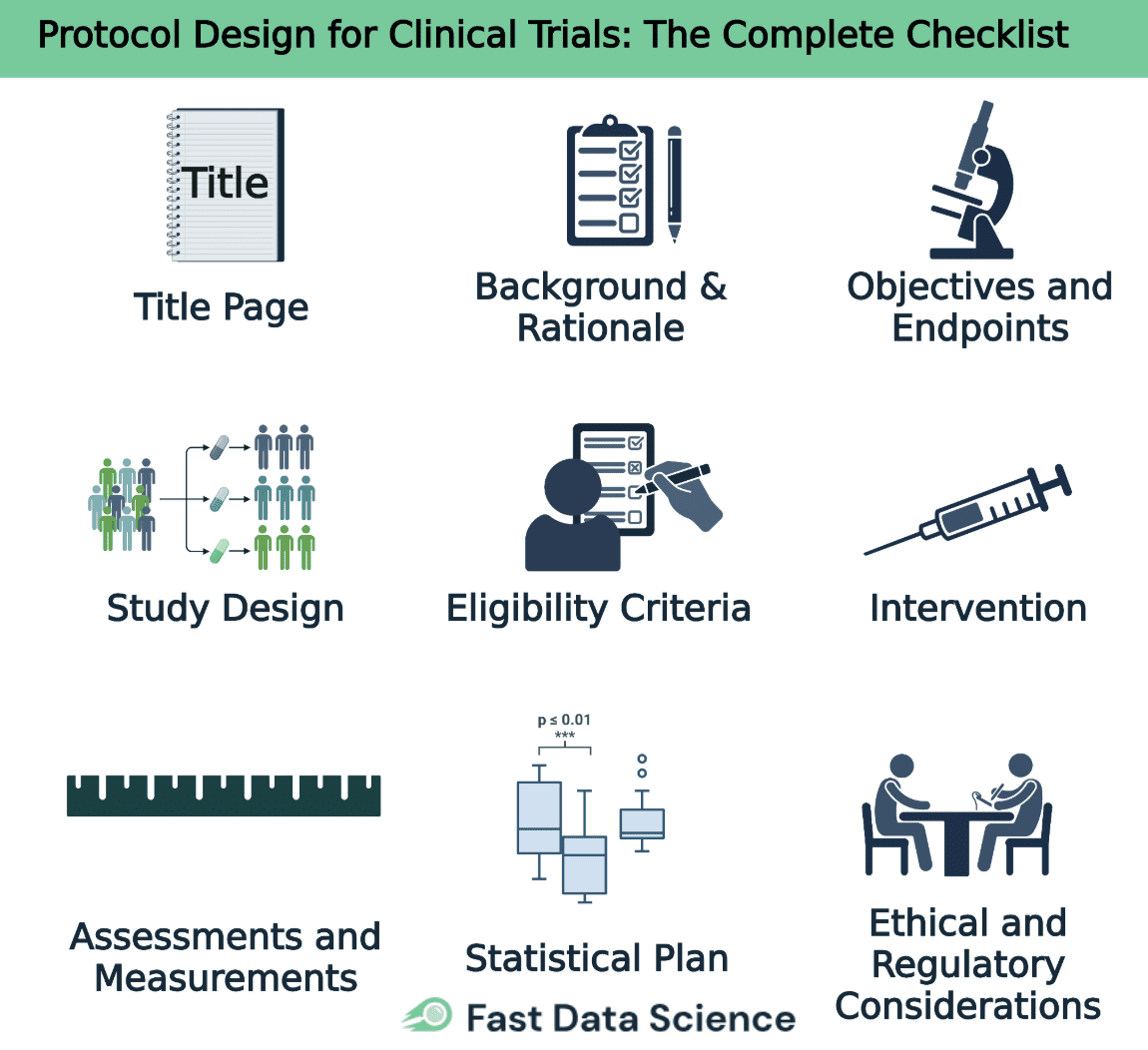
While RWD is not a substitute for the gold standard of randomized controlled trials, it serves as a powerful tool to reduce uncertainty. By grounding protocol design in the reality of clinical practice, the industry can create studies that are not only more rigorous but also operationally achievable. As we look toward the future of medical innovation, the ability to design trials that reflect the real-world treatment landscape will be the defining factor in bringing life-saving therapies to patients faster and more efficiently.
As the industry continues to refine these methodologies, we invite our readers to share their perspectives on the integration of real-world data in their own research environments. Stay tuned to the World Today Journal for further updates as regulatory frameworks and data technologies continue to evolve.
Related reading