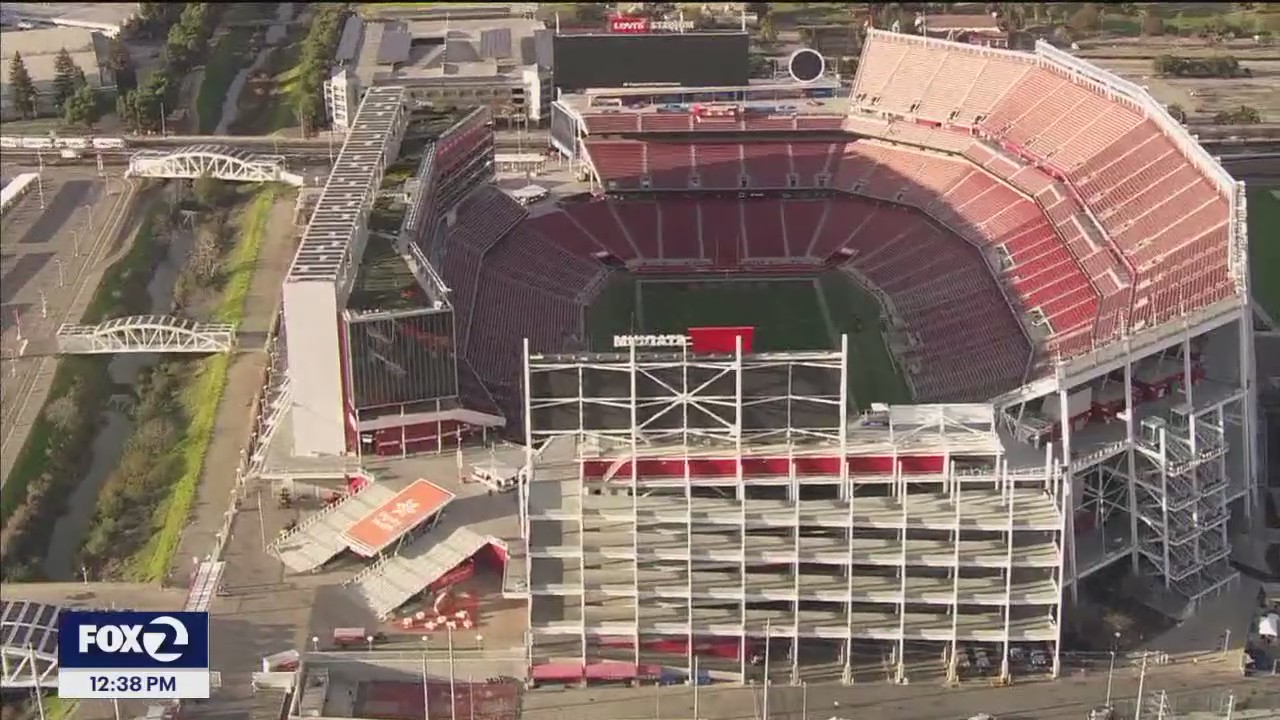
As the international football community turns its gaze toward the 2026 FIFA World Cup, the San Francisco Bay Area is preparing to cement its status as a premier global sports destination. With the tournament set to be the largest in history—featuring 48 teams across three host nations—the selection of Levi’s Stadium in Santa Clara as a host venue places Northern California at the heart of the beautiful game’s most prestigious event.
For traveling fans, the Bay Area offers a unique intersection of high-tech innovation, diverse cultural experiences and a storied history of championship-level sports. As we look toward the summer of 2026, understanding the logistics, venue capacity, and the surrounding region is essential for any supporter planning their pilgrimage. The 2026 FIFA World Cup promises to redefine the fan experience, and Santa Clara is poised to play a pivotal role in that narrative.
Levi’s Stadium: The Heart of the Action
Levi’s Stadium, home to the NFL’s San Francisco 49ers, has been officially designated to host six matches during the 2026 tournament. According to the official match schedule confirmed by FIFA, the venue will host five group-stage matches and one round-of-32 knockout game. This selection underscores the stadium’s ability to handle large-scale international events, having previously hosted major spectacles including Super Bowl 50 and various high-profile international football friendlies.
The stadium, which opened in 2014, boasts a seating capacity of approximately 68,500, though this can be expanded for major events. Its location in Santa Clara places it in the epicenter of Silicon Valley, providing a distinct atmosphere compared to the other 15 host cities across the United States, Canada, and Mexico. For those attending, the stadium’s commitment to sustainability—being the first professional football stadium to achieve LEED Gold certification—aligns with the tournament’s broader goals regarding environmental impact and modern infrastructure. You can find the latest venue updates and official ticketing information via the official FIFA host city portal.
Logistics and Fan Experience in the Bay Area
Navigating the Bay Area during a major event requires foresight. While Santa Clara is situated in the South Bay, the broader region—including San Francisco, San Jose, and Oakland—offers a tapestry of experiences for visiting fans. Public transportation, including the VTA (Valley Transportation Authority) light rail and Caltrain, will be the primary arteries for moving tens of thousands of spectators to and from the stadium. Local authorities have already begun coordinating with FIFA to ensure that transit infrastructure is optimized for the increased demand expected during the summer of 2026.

Beyond the pitch, the region is a cultural hub. Fans traveling from abroad will find that the proximity to world-class dining in San Francisco, the natural beauty of the Pacific coastline, and the technological landmarks of Silicon Valley provide a comprehensive travel itinerary. It is advisable for supporters to monitor updates from the Bay Area Host Committee, which serves as the primary liaison for regional logistics, volunteer programs, and fan zones.
Planning Your World Cup Journey
When considering travel to the Bay Area for the 2026 World Cup, international visitors should prioritize booking accommodations well in advance. The Bay Area is a high-demand travel destination, and the influx of football fans will likely coincide with the peak summer tourist season. Experts suggest looking at transit corridors that allow for easy access to the stadium while providing the flexibility to explore the city of San Francisco and the surrounding Peninsula.
Key considerations for your trip include:
- Connectivity: Utilize the comprehensive network of international airports, including San Francisco International (SFO), San Jose Mineta (SJC), and Oakland International (OAK).
- Climate: The Bay Area is famous for its microclimates. While summers are generally mild, evenings in Santa Clara can be cool, so packing layers is a local recommendation.
- Fan Zones: FIFA typically organizes official fan festivals in host cities. Keep an eye on local announcements regarding designated public viewing areas, which are usually free to the public and offer a communal atmosphere for those without match tickets.
What Happens Next?
As we move closer to the tournament, the focus will shift from general planning to specific operational readiness. FIFA is expected to release further details regarding the final match schedule, including specific kickoff times and participating teams, as the qualifying stages conclude globally. Fans should remain vigilant against unofficial ticketing platforms and rely solely on the official FIFA ticketing portal to avoid fraud.
The next major milestone for the host cities will be the announcement of the final team base camps and the commencement of city-wide infrastructure upgrades. At World Today Journal, we will continue to provide updates as the tournament landscape takes shape. I invite our readers to share their thoughts and travel plans in the comments section below—let us know which matches you are hoping to catch in the Bay Area.
Worth a look