
German filmmaker Wim Wenders has announced the withdrawal of his 1975 feature film Wrong Move (Falsche Bewegung) from circulation. The director, a foundational figure in New German Cinema, reached this decision following critical re-evaluation of a scene featuring actress Nastassja Kinski, who was a teenager at the time of the production. The move reflects a growing industry-wide conversation regarding the ethics of historical filmmaking and the protection of minors on screen.
The film, an adaptation of Johann Wolfgang von Goethe’s Wilhelm Meister’s Apprenticeship, depicts the journey of a young writer across West Germany. Wenders’ decision to pull the title centers on a specific sequence involving Kinski, whose performance in the film marked an early and significant role in her career. As noted in reporting by The Guardian, the director expressed a desire to address the discomfort surrounding the scene, which features the then-minor actress in a topless sequence.
Evolving Standards in Historical Cinema
The decision to remove Wrong Move from distribution platforms and public screenings underscores a significant shift in how contemporary directors view their past works through the lens of modern social and ethical standards. In an era where the industry is increasingly focused on the safety and agency of young performers, Wenders’ choice has been framed as an act of accountability.
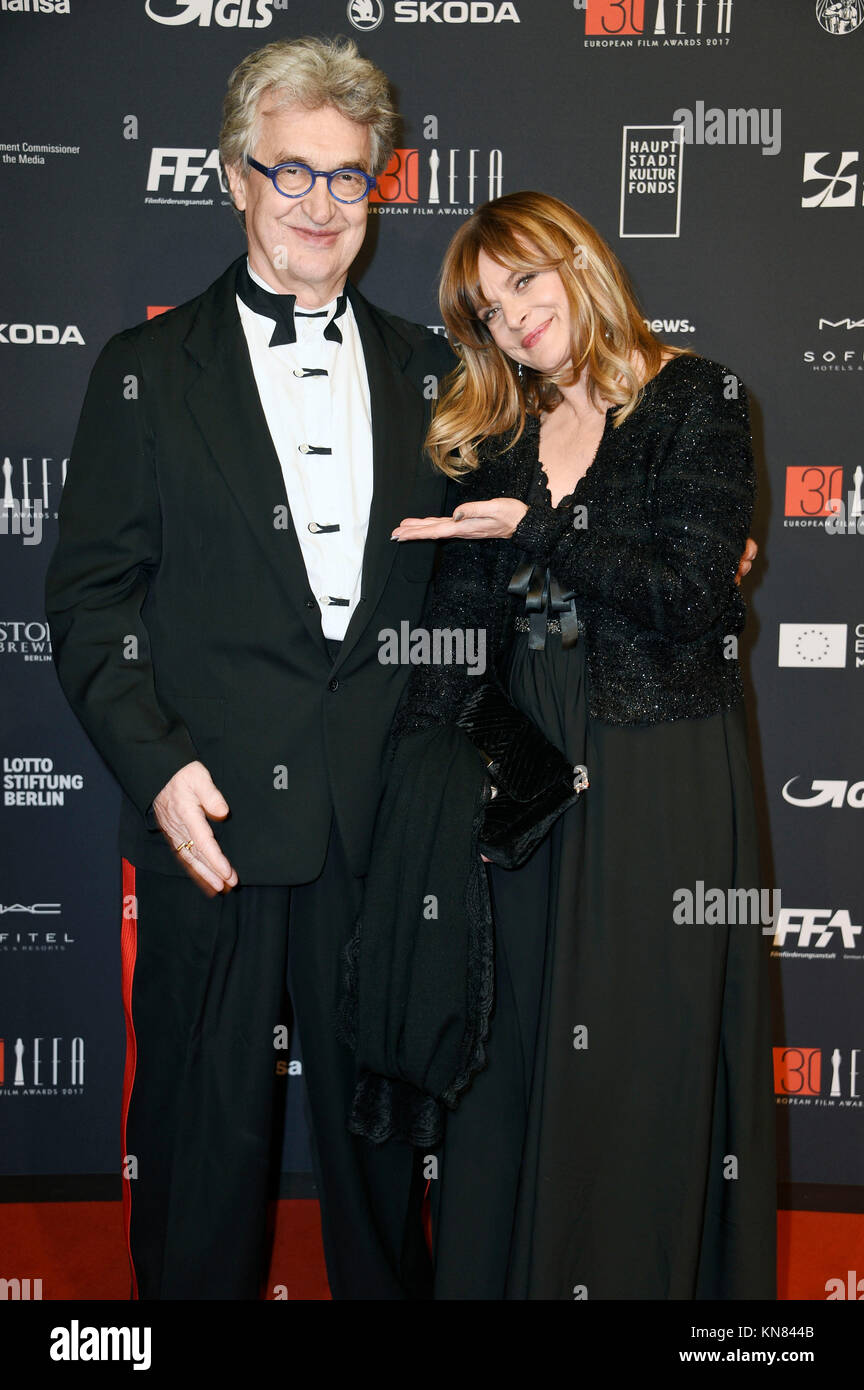
According to statements provided to Variety, the director acknowledged that the scene would not be filmed in the same manner today. By pulling the film, Wenders effectively removes the content from the current cultural marketplace, a rare move for a director of his stature. This action forces a broader discussion on whether historical cinema should be edited, contextualized, or—as in this instance—withdrawn entirely when it fails to meet current ethical benchmarks.
Contextualizing the Career of Nastassja Kinski
Nastassja Kinski began her career in the mid-1970s, quickly rising to international prominence. Her collaboration with Wenders on Wrong Move occurred early in her path to becoming a globally recognized actress. The film, which also features Rüdiger Vogler and Hanna Schygulla, is often cited by critics as a quintessential example of the road movie genre that Wenders helped define, yet the inclusion of the controversial scene has cast a long shadow over its legacy.
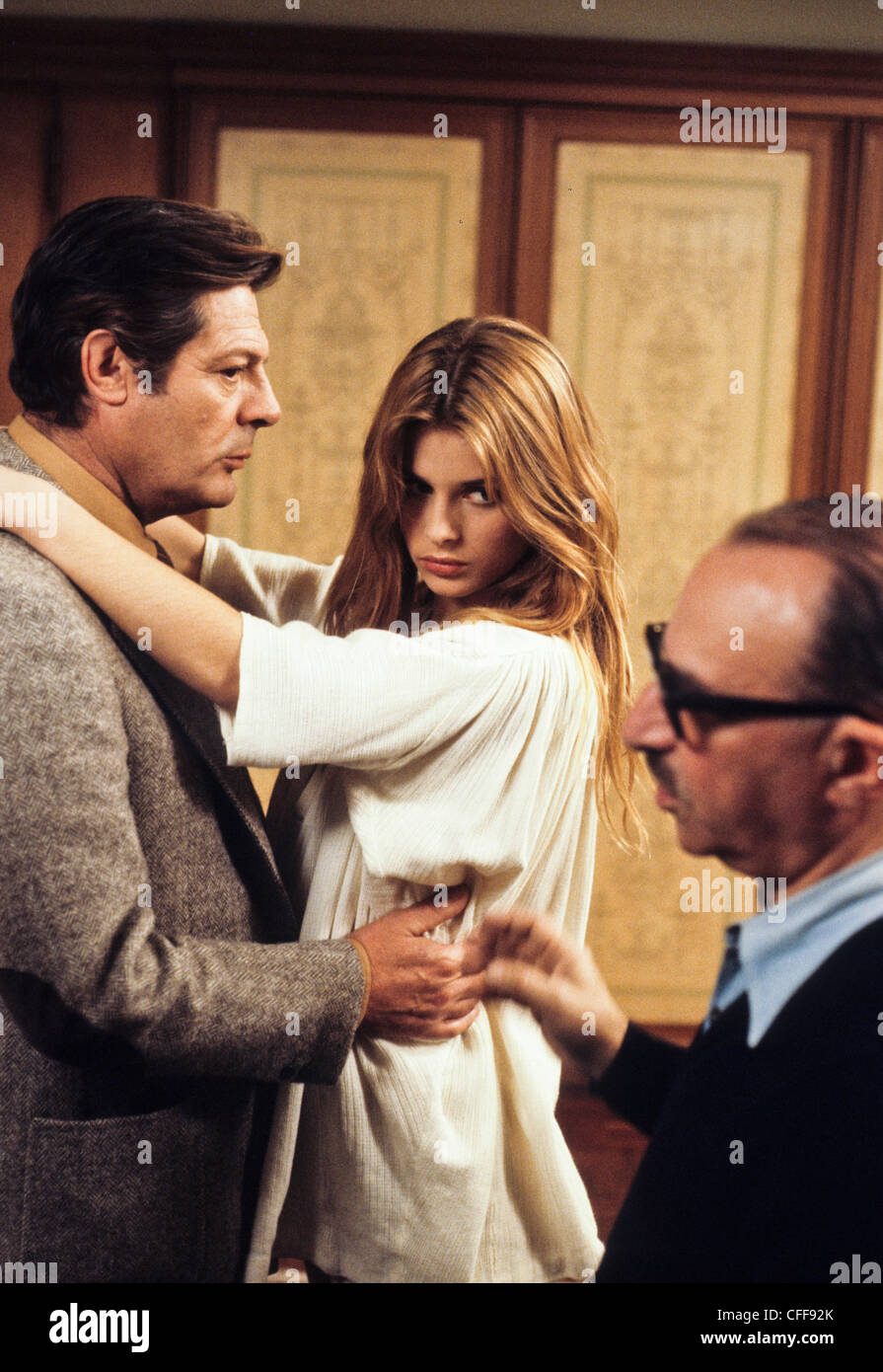
For many historians of the New German Cinema movement, the film remains a technical masterpiece, but the ethical considerations now take precedence. As the industry continues to implement more rigorous protocols for child actors—including the mandatory presence of intimacy coordinators and stricter on-set supervision—the retrospective critique of 1970s productions often highlights a stark disparity in the treatment of young performers compared to modern requirements.
What Happens Next?
The removal of Wrong Move from circulation signifies a definitive end to the film’s availability in its original form for the foreseeable future. While digital archives and private collections may still hold physical copies, the director’s move effectively halts any new licensing or official digital distribution.
As of June 2026, there have been no further statements from Wenders regarding potential re-edits or future re-releases. For students of film history, this development serves as a primary example of how the “cancel culture” debate intersects with artistic preservation. We will continue to monitor official statements from the Wenders estate and distribution partners regarding any changes to the status of this film. Readers are encouraged to share their perspectives on the balance between artistic legacy and modern ethical responsibilities in the comments section below.
Worth a look