In a heated session within the Dutch House of Representatives, political tensions reached a boiling point as members of parliament confronted Forum voor Democratie (FvD) representative Lidewij de Vos over recent rhetoric. The parliamentary debate, which drew sharp criticism from across the political spectrum, centered on the normalization of extremist discourse and the refusal of the FvD member to disavow specific controversial narratives.
Jesse Klaver, leader of the GroenLinks-PvdA faction, took to the floor to issue a stark warning regarding the trajectory of political debate in the Netherlands. Klaver argued that the boundaries of acceptable parliamentary conduct were being tested, stating that the masks were falling off during the proceedings. His comments were echoed by various colleagues, who expressed alarm at the nature of the remarks made by De Vos during the assembly.
Parliamentary Conduct and the Normalization of Extremism
The core of the dispute involved a persistent refusal by De Vos to distance herself from specific antisemitic conspiracy theories despite multiple inquiries from fellow lawmakers. The interaction prompted a significant intervention from the Speaker of the House, who attempted to maintain order amidst the escalating confrontation. The Speaker’s role in managing such volatile exchanges is governed by the Reglement van Orde van de Tweede Kamer, which provides the framework for decorum and procedural conduct during debates.


According to the official Rules of Procedure of the House of Representatives, members are expected to maintain a level of decorum that upholds the integrity of the institution. When these boundaries are breached, the presiding officer is tasked with restoring order, a process that occasionally requires formal warnings or, in extreme cases, the suspension of a member’s speaking time.
The incident has reignited a broader national conversation regarding the “cordon sanitaire”—an informal political agreement to exclude extremist parties from governing coalitions—and whether such strategies remain effective in an era of shifting political norms. Political analysts have noted that the current climate reflects a broader European trend where populist rhetoric increasingly challenges established norms of parliamentary consensus and civility.
The Impact of Rhetorical Shifts on Political Discourse
The confrontational nature of the debate highlighted a growing divide within the House of Representatives. While some members argued that robust debate is essential to a healthy democracy, others maintained that certain lines, particularly those concerning discriminatory or conspiratorial content, must be policed to prevent the mainstreaming of hate speech. The Netherlands Institute for Human Rights provides comprehensive guidance on the legal and social implications of discriminatory speech, noting that while freedom of expression is a fundamental right, it is not absolute when it infringes upon the rights and dignity of others.
The criticism directed at De Vos was not limited to left-wing factions. several right-leaning parties also distanced themselves from the rhetoric, questioning the compatibility of such statements with the standards expected of a representative of the people. This cross-aisle condemnation suggests that, despite deep ideological divisions, there remains a baseline consensus among many parties regarding the unacceptability of certain conspiracy-driven narratives.
Key Takeaways from the Parliamentary Session
- Escalating Tensions: The debate underscored a significant breakdown in cross-party communication, specifically regarding the boundaries of acceptable speech within the chamber.
- Procedural Challenges: The Speaker of the House faced difficulty maintaining order, highlighting the limitations of current parliamentary rules when confronted with persistent defiance.
- Broader Implications: The event serves as a case study for the challenges democratic institutions face in balancing freedom of speech with the need to protect the public discourse from extremist infiltration.
Looking Ahead: What Happens Next?
As the dust settles on this particular session, the focus shifts to the next scheduled plenary meeting of the House of Representatives. Parliamentary procedure typically dictates that the minutes of such debates are recorded and archived in the official register of the Tweede Kamer, where the public can access transcripts of the exchanges. While there has been no formal announcement of disciplinary action, the incident is expected to remain a point of contention in future committee meetings and plenary debates.
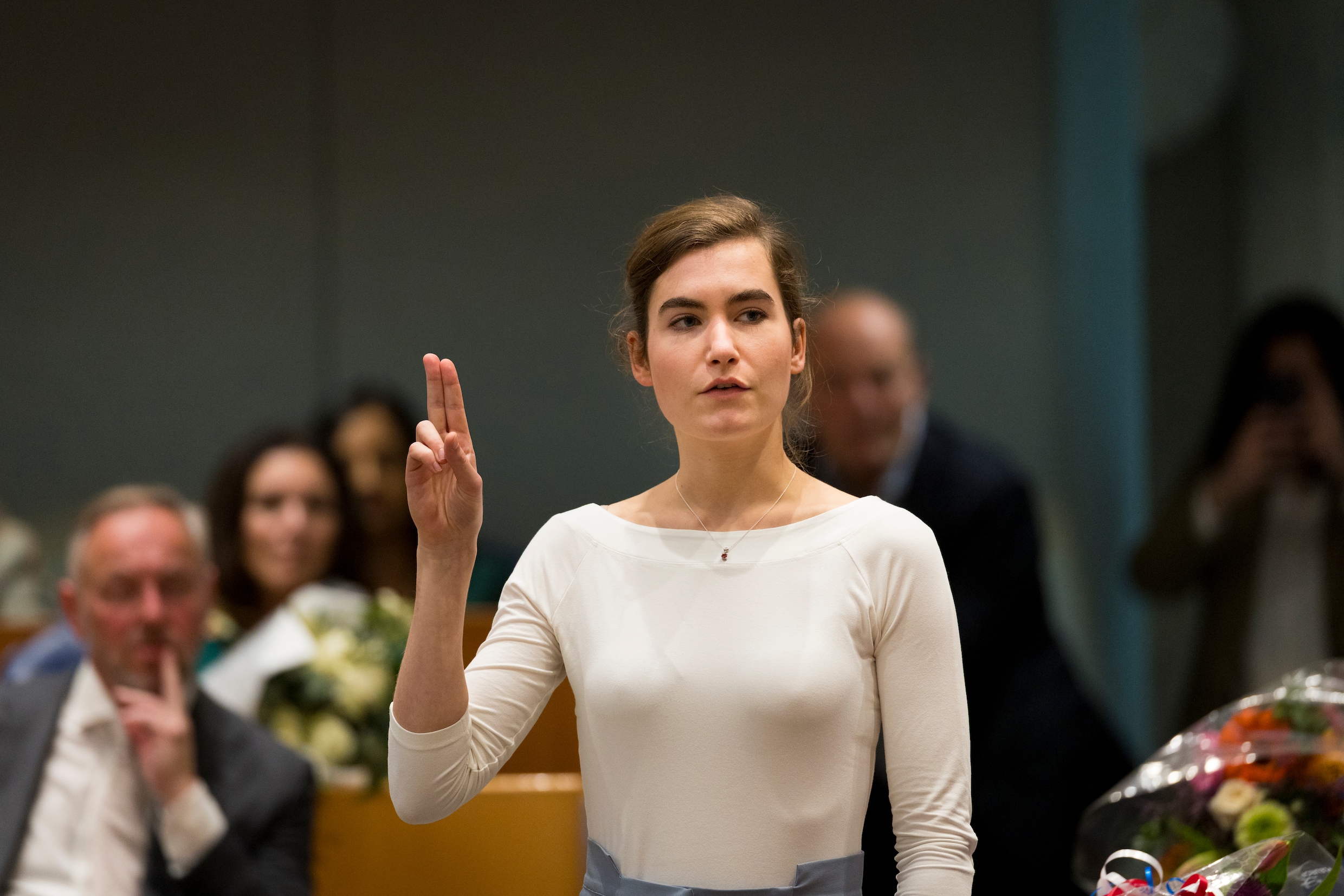
The next official update regarding the House’s agenda and any potential follow-up on the conduct of members will be made available through the official portal of the Dutch Parliament. For those interested in the ongoing developments of Dutch politics, following the updates from the House of Representatives website remains the most reliable method for tracking legislative progress and parliamentary oversight.
As this story continues to develop, we invite our readers to share their perspectives on the balance between free speech and parliamentary decorum. Join the conversation in the comments section below and stay tuned to our global affairs coverage for further updates on the political climate in the Netherlands.