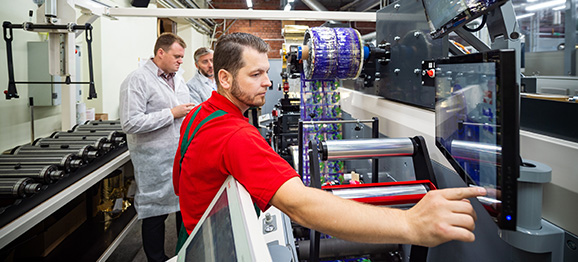
The Liepājas papīrs group has reported a 10.4% increase in annual turnover, signaling a period of significant growth for one of Latvia’s most vital manufacturing entities. This revenue surge comes at a time of shifting economic dynamics within the Baltic region, as industrial players navigate fluctuating energy costs and evolving consumer demands for sustainable packaging solutions.
This growth trajectory for the Liepāja-based group highlights a resilient performance in the paper and packaging sector. While the broader manufacturing landscape in Europe has faced headwinds from inflationary pressures and supply chain adjustments, the group’s ability to expand its top-line revenue suggests a successful alignment with emerging market needs, particularly in the hygiene and sustainable materials segments.
As a major player in the regional economy, the financial health of the Liepājas papīrs group serves as a barometer for the industrial stability of the Courland region. The 10.4% increase in turnover reflects not only internal operational efficiencies but also a broader trend of industrial adaptation within the Latvian manufacturing sector.
Analyzing the 10.4% Revenue Surge
The reported 10.4% rise in turnover for the Liepājas papīrs group marks a notable departure from the volatility seen in previous fiscal cycles. For a capital-intensive industry such as paper manufacturing, a double-digit increase in revenue typically indicates a combination of increased production volume and strategic pricing adjustments to offset rising input costs.
Market analysts suggest that the group’s growth may be attributed to several key drivers. First, the demand for paper-based packaging has seen a sustained uptick as European regulatory frameworks continue to move away from single-use plastics. This transition has placed companies with robust pulp-to-product pipelines in a strong competitive position. Second, the group’s diversification into various paper grades—ranging from tissue and hygiene products to industrial packaging—allows it to capture value across multiple consumer and B2B channels.
The group’s ability to maintain this growth rate is particularly significant given the historical sensitivity of the paper industry to the cost of raw materials and energy. Successfully scaling revenue suggests that the group has effectively managed its cost-of-goods-sold (COGS) while maintaining market share in an increasingly competitive Baltic landscape.
Macroeconomic Pressures on Baltic Manufacturing
To understand the weight of this 10.4% increase, one must consider the economic environment in which Liepāja’s industrial sector operates. Latvian manufacturers have recently contended with a complex set of macroeconomic variables, most notably the volatility of energy prices which directly impact the heavy machinery and thermal processes required for paper production.
Energy-intensive industries in the Baltics have had to implement rigorous efficiency measures to protect margins. The Liepājas papīrs group’s performance indicates that its strategic investments in operational technology may be yielding returns, allowing the company to absorb or mitigate the impact of fluctuating utility costs. Additionally, the broader inflationary environment in Latvia has impacted both domestic and export-oriented manufacturing, making revenue growth a critical metric for assessing real economic expansion versus nominal price increases.
Furthermore, the logistical landscape of the Baltic states remains a critical factor. As a company based in Liepāja, the group benefits from proximity to one of Latvia’s most important maritime gateways. The efficiency of the Port of Liepāja plays a decisive role in the group’s ability to manage the import of raw materials and the export of finished goods to Northern and Western European markets.
Comparing Industry Drivers
| Economic Driver | Impact on Paper Sector | Liepājas Papīrs Context |
|---|---|---|
| Plastic Substitution | High (Positive Growth) | Primary driver for packaging revenue expansion. |
| Energy Volatility | High (Margin Pressure) | Requires high operational efficiency to maintain profitability. |
| Raw Material Costs | Moderate (Supply Chain) | Managed through diversified sourcing and volume scaling. |
| Regulatory Shifts | High (Compliance) | Aligns with EU circular economy and recycling mandates. |
The Strategic Shift Toward Sustainable Packaging
A fundamental driver behind the group’s growth is the global and regional pivot toward the circular economy. As European Union directives continue to tighten restrictions on non-recyclable materials, the demand for high-quality, renewable paper products has moved from a niche preference to a market necessity. This shift has fundamentally altered the competitive landscape for the Liepājas papīrs group.
The group is positioned to benefit from the increasing demand for biodegradable and compostable packaging solutions. Unlike traditional plastics, paper-based products offer a clear end-of-life pathway through existing recycling infrastructures. This makes the group’s output increasingly attractive to large-scale FMCG (Fast-Moving Consumer Goods) companies looking to meet their ESG (Environmental, Social, and Governance) targets.
This transition requires significant capital expenditure in research and development to ensure that paper products can match the durability and barrier properties of their plastic counterparts. The 10.4% turnover increase may well be a reflection of the group’s successful commercialization of these specialized product lines, allowing them to capture premium segments of the packaging market.
Regional Impact: Liepāja’s Industrial Resilience
The financial performance of the Liepājas papīrs group carries implications far beyond its own balance sheet. As a major employer and industrial anchor in Liepāja, the group’s growth contributes to the economic stability of the entire Kurzeme region. Industrial strength in Liepāja is a cornerstone of the city’s economic identity, supporting a network of local suppliers, logistics providers, and service industries.
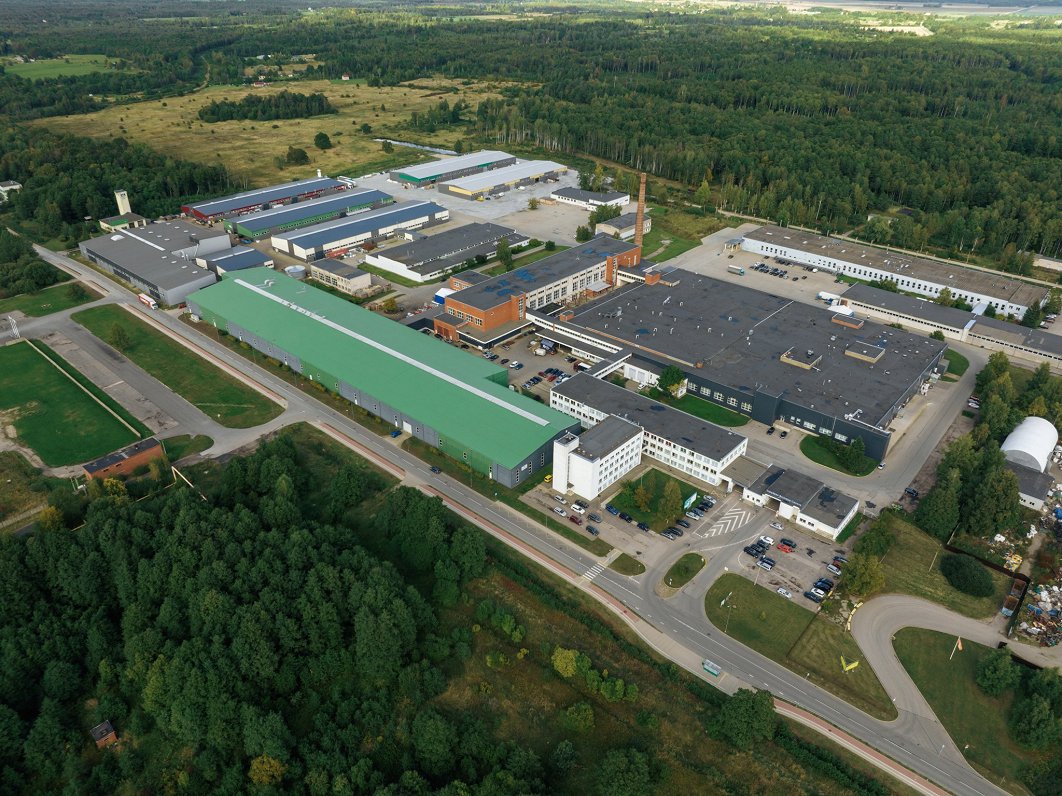
When a major manufacturing group reports double-digit turnover growth, it often signals a positive feedback loop for the local economy. Increased revenue can lead to expanded operations, which in turn drives job creation and increases the local tax base. This stability is vital for the region, particularly as Latvia continues to integrate more deeply into the European single market while managing the complexities of its geopolitical position.
The resilience shown by the group also reinforces Liepāja’s reputation as a hub for advanced manufacturing. The ability to compete on an international scale while navigating the specific challenges of the Baltic energy and regulatory environment demonstrates a high level of industrial maturity.
Key Takeaways: Liepājas Papīrs Group Performance
- Revenue Growth: The group achieved a 10.4% increase in annual turnover, indicating strong market performance.
- Market Drivers: Growth is largely supported by the transition from plastic to paper-based packaging in Europe.
- Economic Context: The increase occurred despite high energy costs and inflationary pressures in the Baltic manufacturing sector.
- Strategic Positioning: The group’s diversification and focus on sustainable materials are key to its current success.
- Regional Importance: The group remains a critical economic driver for the city of Liepāja and the Kurzeme region.
As we move into the next fiscal period, market observers will be looking for confirmation of whether this growth is sustainable. Key indicators to monitor will include the group’s ability to maintain margins amidst energy price fluctuations and the continued pace of regulatory changes regarding packaging waste in the European Union.
Official financial updates and detailed annual reports are typically released following the conclusion of the fiscal year. Stakeholders and industry analysts should monitor upcoming regulatory filings for more granular data on the group’s profit margins and capital investment plans.
What are your thoughts on the resilience of Baltic manufacturing in the face of energy volatility? Share your insights in the comments below and please share this article with your professional network.
Related reading