
As a physician who has spent over a decade navigating the complexities of internal medicine and medical journalism, I have seen firsthand how the landscape of pediatric oncology has shifted. Thanks to advancements in modern medicine, survival rates for children and adolescents diagnosed with cancer have reached historic highs. However, the conclusion of primary treatment is rarely the end of the medical journey. For many survivors, the years following recovery bring new, often complex health challenges that require a shift in perspective—from acute care to lifelong monitoring.
The Luzerner Kantonsspital (LUKS) has recently highlighted the critical importance of long-term care for this growing demographic. In a move that underscores the need for specialized oversight, the institution is drawing attention to its interdisciplinary “Childhood Cancer Survivor Nachsorgesprechstunde.” This specialized consultation service is designed to address the unique internal, physiological and psychosocial needs of adults who were treated for cancer before the age of 18.
Addressing the Long-Term Impact of Childhood Cancer
While the primary goal of pediatric oncology is to secure remission, we must acknowledge that the therapies that save lives in childhood can have lasting physiological footprints. Research consistently shows that survivors may face an increased risk of late effects, which often manifest as non-oncological conditions. These can include cardiovascular diseases, metabolic disorders, and various systemic health issues that emerge decades after the initial diagnosis.
Beyond the physical health risks, the psychological and psychosocial impact of surviving a childhood malignancy remains a significant area of concern. For many, the transition into adulthood involves navigating these health risks while balancing the demands of personal and professional life. The model being implemented at the LUKS focuses on systematic risk reduction. By identifying potential late effects early, clinicians can intervene before these issues significantly impact a patient’s quality of life.
A Structured Approach to Survivorship
The core of the initiative is a highly structured, interdisciplinary consultation day. Rather than relying on sporadic, symptom-driven visits, the program utilizes a standardized framework to ensure that each survivor receives a tailored approach. A central component of this strategy is the use of the internationally recognized “Passport for Care®” tool. This resource allows medical teams to create a comprehensive, individualized follow-up plan based on the specific treatments the patient received during their youth.
Integrated care is essential in this model. The LUKS approach emphasizes that this is not a siloed service; rather, it functions as a bridge between specialized oncology departments and the primary care physicians who manage the patient’s day-to-day health. This collaborative approach ensures that general practitioners and other specialists are fully informed of a patient’s medical history, allowing for more precise and effective long-term management.
Key Objectives of the Survivorship Program
- Early Detection: Identifying late-onset health issues, such as cardiovascular or metabolic complications, before they become advanced.
- Risk Mitigation: Implementing evidence-based preventative measures to lower the long-term health risks associated with childhood cancer treatments.
- Quality of Life: Providing holistic support that encompasses both the physical and the psychological well-being of the patient.
- Integrated Care: Facilitating seamless communication between specialists and the survivor’s primary care team.
Why Specialized Follow-Up Matters
In my clinical experience, the most successful health outcomes are achieved when patients feel empowered to take an active role in their long-term health. For cancer survivors, “survivorship” is not a static state, but a dynamic process. As patients transition from pediatric care to adult medicine, critical health information can sometimes be lost or misinterpreted. Specialized programs like the one offered by the LUKS help prevent this gap by providing a continuity of care that recognizes the unique history of each survivor.
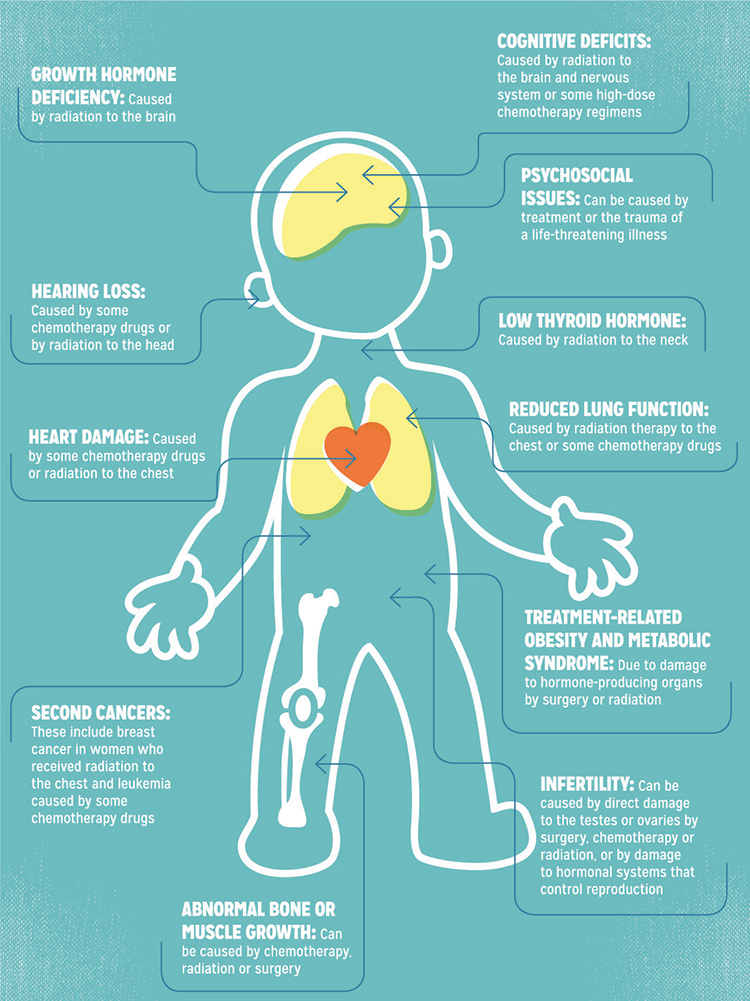
By shifting the focus toward long-term surveillance, we are moving toward a more mature model of healthcare—one that honors the resilience of these patients and provides them with the medical partnership they need to thrive well into adulthood. As the number of adult childhood cancer survivors continues to grow globally, the necessity for such dedicated, interdisciplinary models will only increase.
Looking Ahead
The medical community continues to refine these protocols, with ongoing updates to clinical guidelines for long-term follow-up. For patients and their families, the best course of action remains staying informed and maintaining consistent communication with their healthcare providers. If you or a loved one are a childhood cancer survivor, it is essential to discuss a long-term care plan with your medical team to ensure that you are receiving the most appropriate screening and support.
As we move forward, the success of these programs will be measured by the long-term health outcomes of survivors and their ability to lead full, healthy lives. I encourage our readers to share their experiences or questions regarding survivorship care in the comments section below. Your insights help us continue the conversation on how People can improve healthcare delivery for those who have already overcome so much.
Keep reading