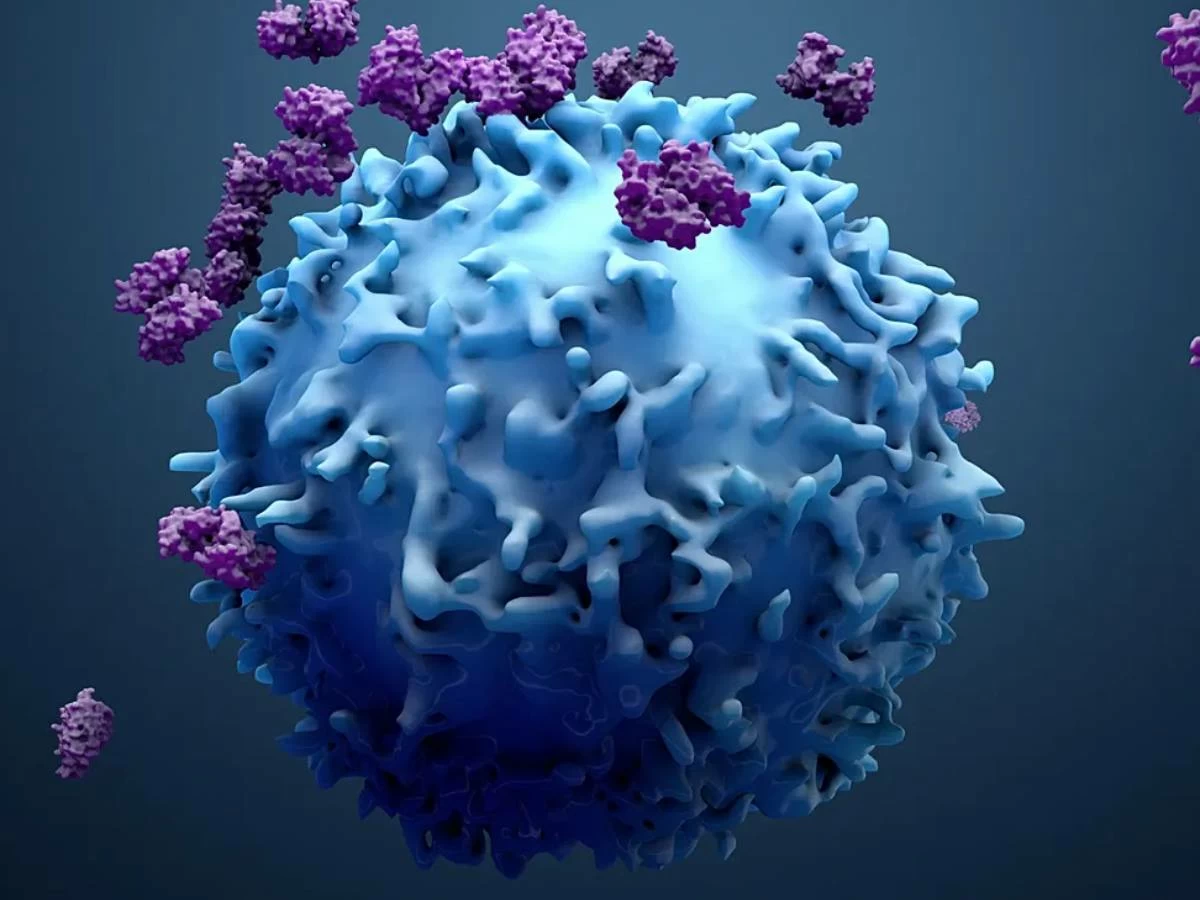
Researchers are developing light-activated molecular “switches” to target and destroy cancer cells, including dormant cells. This approach uses specific wavelengths of light to trigger biochemical reactions that kill malignant cells, according to reports from the National Media Authority and Emirates News.
The technology relies on molecular systems that distinguish cancer cells and eliminate them with precision. This method aims to solve a challenge in oncology: the existence of dormant cancer cells.
How does light-activated cancer therapy work?
The process involves a smart molecular system. These systems are engineered to recognize cancer cells, ensuring the light-activated agent only binds to malignant cells.
Can light therapy eliminate dormant cancer cells?
New research into light-based molecular switches suggests that light can be used to combat dormant cancer cells.
What are the limitations of photodynamic therapy?
Comparing Light Therapy to Traditional Chemotherapy
The following table outlines the primary differences in approach and impact:

| Feature | Traditional Chemotherapy | Light-Activated Therapy (PDT) |
|---|---|---|
| Targeting Mechanism | Targets rapidly dividing cells | Targets light-sensitive molecules |
| Systemic Toxicity | High (affects hair, gut, immune system) | Low (localized to the light source) |
| Effect on Dormant Cells | Generally ineffective | Potentially effective |
| Primary Limitation | Side effects and drug resistance | Tissue penetration depth |
What happens next for this technology?
The next phase of development involves light-activated molecular switches to target cancer cells.
We invite readers to share their thoughts on these medical advancements in the comments below and share this report with others interested in oncology innovation.