
Senator Lindsey Graham (R-SC) has suggested that the United States should “obliterate” Iran if the nation attempts to obstruct or resist passage through the Strait of Hormuz. Graham expressed significant skepticism regarding the viability of diplomatic negotiations, predicting that if an Iran nuclear deal collapses, a future Trump administration would likely move to secure the vital maritime corridor “by force.”
The remarks come as geopolitical tensions in the Middle East remain high, focusing on the security of global energy transit routes. Graham’s stance emphasizes a shift toward aggressive military deterrence to ensure that Iran cannot weaponize its control over the Strait of Hormuz, a narrow waterway through which a significant portion of the world’s petroleum passes.
According to reports from various news outlets including USA Today and CBS News, the Senator’s comments reflect a broader argument that previous and potential future diplomatic efforts are destined to fail. Graham’s rhetoric suggests that only decisive military action can prevent Iran from disrupting international trade and maritime security.
Why does Senator Lindsey Graham predict diplomatic failure with Iran?
Senator Graham has consistently voiced doubt regarding the effectiveness of negotiated agreements with the Iranian government. His skepticism is rooted in the belief that Iran does not adhere to the spirit of international accords, citing the history of the Joint Comprehensive Plan of Action (JCPOA) as a primary example. Graham has argued that diplomatic frameworks often provide Iran with the breathing room necessary to advance its nuclear ambitions without facing meaningful consequences.
In recent discussions, Graham stated, “Let’s try a diplomatic solution. I think it’s going to fail.” This sentiment underscores a preference for a “maximum pressure” campaign, a strategy previously utilized by the Trump administration to isolate Iran economically and militarily. Graham’s position is that diplomacy serves as a delay tactic for Tehran rather than a genuine path to denuclearization or regional stability.
The Senator’s comments align with a faction of Republican policymakers who argue that the Iranian leadership views concessions as signs of weakness. By predicting the failure of peace talks, Graham is advocating for a foreign policy posture that prioritizes military readiness and overwhelming force over protracted negotiations that he believes yield no tangible security benefits for the United States or its allies.
What makes the Strait of Hormuz a strategic flashpoint?
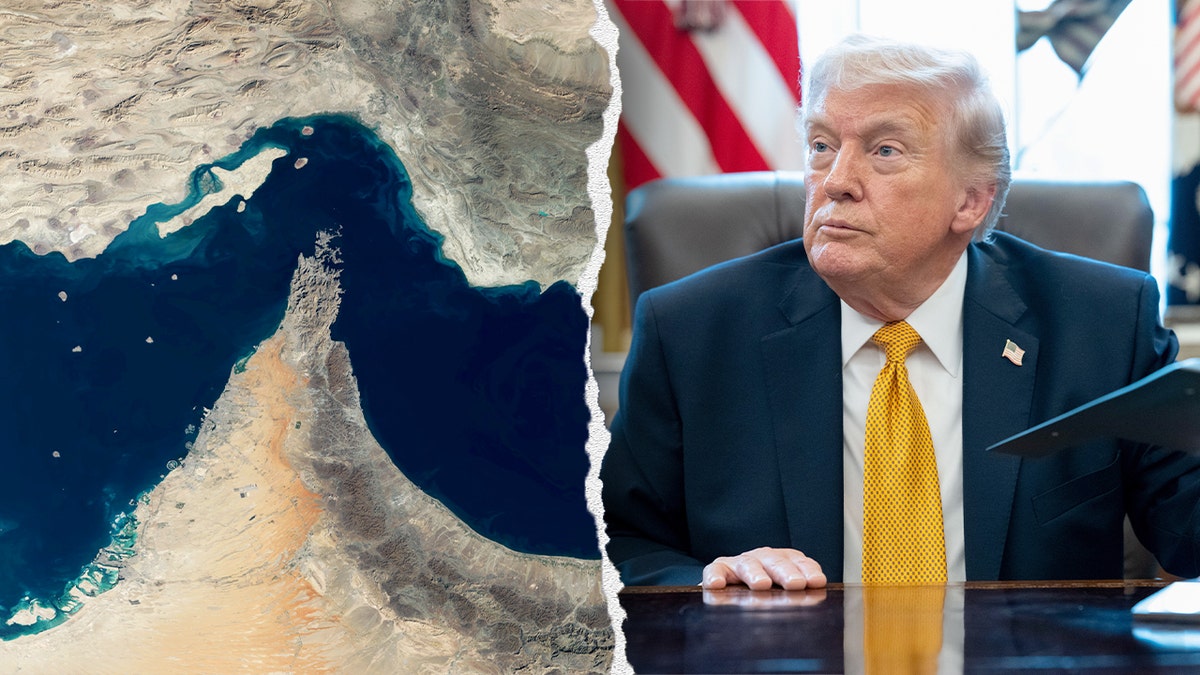
The Strait of Hormuz is one of the world’s most critical maritime chokepoints. Located between Oman and Iran, the waterway connects the Persian Gulf with the Gulf of Oman and the Arabian Sea. Its strategic importance cannot be overstated, as it serves as the primary transit route for oil from the major producers in the Middle East to global markets in Asia, Europe, and North America.
According to the U.S. Senate official records and various geopolitical analyses, any significant disruption to the flow of tankers through this strait would immediately impact global energy prices and economic stability. Iran’s ability to threaten or physically block the passage of commercial vessels provides Tehran with significant leverage in international negotiations.
Graham’s specific warning regarding “obliterating” Iranian capabilities if they resist passage in the Strait is a response to this leverage. He suggests that the U.S. must be willing to use extreme measures to ensure that this maritime corridor remains open. The “by force” approach he attributes to Donald Trump implies that the U.S. would not merely patrol the waters but would actively seize control of the passage if Iran attempted to implement a blockade.
The implications of such a conflict would be massive, involving not only the U.S. Navy but likely regional powers and international shipping conglomerates. The threat of “obliteration” refers to the total destruction of Iranian military assets capable of interfering with the Strait, a move that would represent a significant escalation in Middle Eastern warfare.
How would a military approach impact global energy markets?
The transition from diplomacy to military intervention in the Strait of Hormuz would likely trigger immediate volatility in global markets. Energy analysts note that the mere threat of conflict in the region often causes a spike in crude oil prices. A direct military engagement, as suggested by Graham’s rhetoric, would likely result in a much more severe economic shock.
If the United States were to use force to secure the Strait, the immediate consequences would include:
- Surging Oil Prices: Uncertainty regarding the continuity of supply would lead to rapid price increases at the pump and in industrial sectors.
- Supply Chain Disruption: Beyond oil, the Strait is a conduit for liquefied natural gas (LNG) and other essential commodities, affecting global manufacturing and heating costs.
- Insurance Premium Hikes: Maritime insurance for tankers operating in the Persian Gulf would escalate, increasing the overall cost of transporting goods through the region.
While Graham argues that military force is necessary to prevent long-term instability caused by Iranian interference, critics of this approach argue that the economic fallout of a hot war could be as damaging as a blockade. The tension lies between the cost of military action and the cost of allowing a hostile actor to control a global economic artery.
Comparison of Strategic Approaches to Iran
The debate surrounding Iran’s regional influence and nuclear program generally falls into two distinct strategic categories. The following table compares the approaches discussed by policymakers like Senator Graham against traditional diplomatic models.
| Feature | Diplomatic Approach (JCPOA Model) | Military/Pressure Approach (Graham Model) |
|---|---|---|
| Primary Goal | Nuclear containment through negotiation. | Regime deterrence through overwhelming force. |
| View of Iran | A rational actor capable of compromise. | An actor that only responds to strength. |
| Key Tool | Economic incentives and inspections. | Sanctions, naval presence, and military strikes. |
| Risk Factor | Potential for “cheating” or deal collapse. | Risk of regional war and energy shocks. |
Senator Graham’s comments place him firmly in the second category, advocating for a policy that views the “diplomatic solution” as a failed experiment. His prediction regarding Donald Trump suggests a desire to return to a policy of maximum confrontation to resolve the Iranian threat permanently.
The discussion also highlights a fundamental disagreement in U.S. foreign policy: whether stability is best achieved through engagement and managed tensions, or through the decisive application of power to eliminate threats before they can manifest. Graham’s use of the word “obliterate” signals a rejection of the middle ground, favoring a clear, albeit high-risk, military solution to maritime security threats.
As the next election cycle approaches and international scrutiny of Iran’s nuclear activities intensifies, these policy debates will likely move to the forefront of Congressional discussions. Observers will be watching for official statements from the Department of Defense and the State Department regarding the current readiness of U.S. naval forces in the Fifth Fleet area of responsibility.
For further updates on international security and Middle East developments, follow our ongoing coverage of U.S. foreign policy and maritime stability.
What are your thoughts on Senator Graham’s proposed approach to the Strait of Hormuz? Should the U.S. prioritize diplomacy or military deterrence? Let us know in the comments below and share this article with your network.