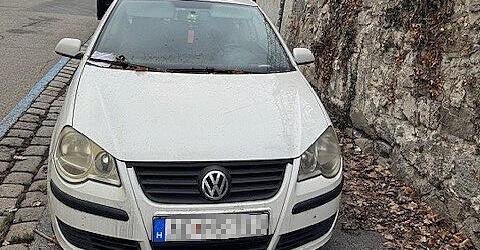
Abandoned Vehicles with Foreign Plates Cause Headaches in Linz
Linz, Austria is grappling with a growing issue: abandoned vehicles, frequently bearing Hungarian license plates, are increasingly blocking parking spaces. While the problem is readily apparent to residents and authorities, legal hurdles are preventing swift removal of the offending cars, creating frustration and logistical challenges for the city.
The situation isn’t novel, but appears to be escalating. City officials report encountering vehicles left for months, accumulating parking tickets that often head unpaid. The fines are frequently unenforceable, as the owners are often untraceable or reside outside of Austria’s jurisdiction. This creates a cycle where vehicles remain in place, taking up valuable parking and becoming eyesores. The city of Linz is actively seeking solutions to address this growing problem, balancing legal constraints with the need to maintain public order and accessibility.
The Legal Obstacles to Removal
Simply towing the vehicles isn’t a straightforward solution. Austrian law, and specifically regulations concerning vehicles with foreign registration, present significant obstacles. According to the Austrian government’s website, individuals with primary residence outside of Austria are permitted to leverage a vehicle with foreign plates in the country for up to one year from the date of entry. For those with Austrian residency, the limit is one month.
This timeframe is crucial. Until the legal time limit has expired, the city lacks the legal grounds to forcibly remove the vehicles. Even after the deadline, the process isn’t simple. Authorities must first attempt to contact the vehicle owner and provide them with an opportunity to rectify the situation – either by removing the vehicle themselves or by registering it in Austria. This process can be time-consuming and often unsuccessful, particularly when dealing with vehicles registered in other countries.
The ÖAMTC, Austria’s automobile club, highlights the complexities further. Their guidance on driving foreign vehicles in Austria explains that if a vehicle remains in the country beyond the permitted timeframe, outstanding taxes and fees – including import VAT and motor vehicle tax – become due. This adds another layer of complexity to the removal process, as the city must navigate these financial implications.
Focus on Hungarian Plates – A Pattern Emerges
While the issue affects vehicles from various countries, a disproportionate number of the abandoned cars in Linz display Hungarian license plates. Reports from Nachrichten.at indicate that this trend has been observed in several locations within the city, including Sandgasse and Bockgasse. In these instances, vehicles were left for months, accumulating multiple parking tickets before eventually being towed – only after the legal requirements for removal were met.
The concentration of Hungarian-registered vehicles raises questions about potential loopholes or deliberate exploitation of the regulations. It’s speculated, though not officially confirmed, that some individuals may be intentionally leaving vehicles in Austria to avoid taxes or other financial obligations in their home country. The city is reportedly exploring ways to address this specific pattern, potentially through increased cooperation with Hungarian authorities.
What Happens After Removal?
Once a vehicle is finally removed, the costs associated with towing and storage are typically borne by the vehicle owner. However, if the owner cannot be located or refuses to pay, the city may be forced to absorb these expenses. The vehicles are then often sold at auction to recover some of the costs.
The situation highlights a broader challenge for Austrian authorities: balancing the rights of foreign vehicle owners with the need to maintain public order and enforce traffic regulations. The current legal framework, while intended to facilitate cross-border travel and trade, appears to be vulnerable to abuse, creating a burden for municipalities like Linz.
The Broader Context of Foreign Vehicle Regulations in Austria
Austria’s regulations regarding vehicles with foreign license plates are designed to align with European Union standards, which generally allow for the temporary use of vehicles registered in other member states. However, these regulations similarly include provisions to prevent abuse and ensure that vehicles are properly registered and insured.
As outlined by the Austrian government, all vehicles used in Austria, regardless of their country of origin, must be covered by valid third-party liability insurance. This requirement is enforced through parking controls and traffic stops. Vehicles found to be uninsured are subject to fines and may be impounded.
the regulations address the use of trailers with foreign plates. The government website specifies that a trailer with foreign plates can only be towed by a vehicle with Austrian plates if the trailer also displays an Austrian license plate, effectively covering the foreign plate. This rule aims to ensure proper registration and insurance coverage for all vehicles operating on Austrian roads.
Looking Ahead: Potential Solutions and Future Actions
The city of Linz is actively exploring potential solutions to address the issue of abandoned vehicles. These include increased collaboration with neighboring countries, particularly Hungary, to improve the tracking and identification of vehicle owners. They are also considering advocating for changes to Austrian law that would allow for more rapid removal of abandoned vehicles, while still respecting the rights of vehicle owners.
Another potential solution involves stricter enforcement of parking regulations and more frequent patrols in areas known to be affected by this problem. The city is also investigating the possibility of implementing a system that would allow them to quickly identify vehicles that have been abandoned for an extended period of time.
The situation in Linz serves as a cautionary tale for other Austrian cities and highlights the need for a comprehensive and effective approach to managing vehicles with foreign license plates. The ongoing efforts to address this issue will likely shape future regulations and enforcement practices across the country.
The next step for the city of Linz is a scheduled meeting with representatives from the Austrian Ministry of Transport in March 2026 to discuss potential legislative changes. We will continue to follow this developing story and provide updates as they become available. Share your thoughts on this issue in the comments below, and please share this article with your network.
Related reading