
The Palacio de Festivales in Cantabria is set to present one of Spain’s most cherished lyrical works, La Revoltosa, on Friday, April 24 and Saturday, April 25, 2026. Performances will accept place at 7:30 p.m. In Sala Argenta, with each showing lasting approximately 100 minutes. This staging revives a cornerstone of the género chico, a form of Spanish musical theatre known for its wit, local color, and accessible melodies.
La Revoltosa, a one-act lyrical sainete, was composed by Ruperto Chapí with a libretto by José López Silva and Carlos Fernández Shaw. It premiered on November 25, 1897, at the Teatro Apolo in Madrid, where it was conducted by the composer himself. The work has endured as a hallmark of Spanish lyric theatre, frequently paired with La verbena de la Paloma as a defining example of the genre’s artistic peak during the late 19th century.
The story unfolds in a Madrid neighborhood courtyard, centering on the playful romantic tension between Felipe, a resident who claims immunity to love’s charms, and Mari Pepa, a flirtatious young woman whose affections he secretly returns. Their mutual attraction is masked by feigned indifference, a dynamic complicated by Mari Pepa’s jealousy when she sees Felipe interacting with other women. This comic interplay of pride and passion captures the spirit of Madrid’s working-class life at the fin de siècle, rendered with authenticity by librettists deeply familiar with the city’s social fabric.
Chapí’s score is widely praised for blending popular rhythms with sophisticated orchestration, creating a vibrant prelude and musical numbers that shift seamlessly between folk-inspired tunes and more refined passages. The music reflects the duality of the work itself—rooted in everyday life yet elevated by artistic craftsmanship—making La Revoltosa not only entertaining but also a significant cultural artifact of Spain’s musical heritage.
Historical Significance and Artistic Legacy
As part of the género chico tradition, La Revoltosa emerged during a period when Spanish theatre sought to reflect contemporary urban life through satire, music, and relatable characters. Unlike the grandiose themes of romantic opera, these short, one-act works focused on neighborhood dynamics, romantic misunderstandings, and the humor found in daily routines. The género chico flourished in Madrid’s theatres during the late 1800s, offering audiences both entertainment and a mirror to their own experiences.
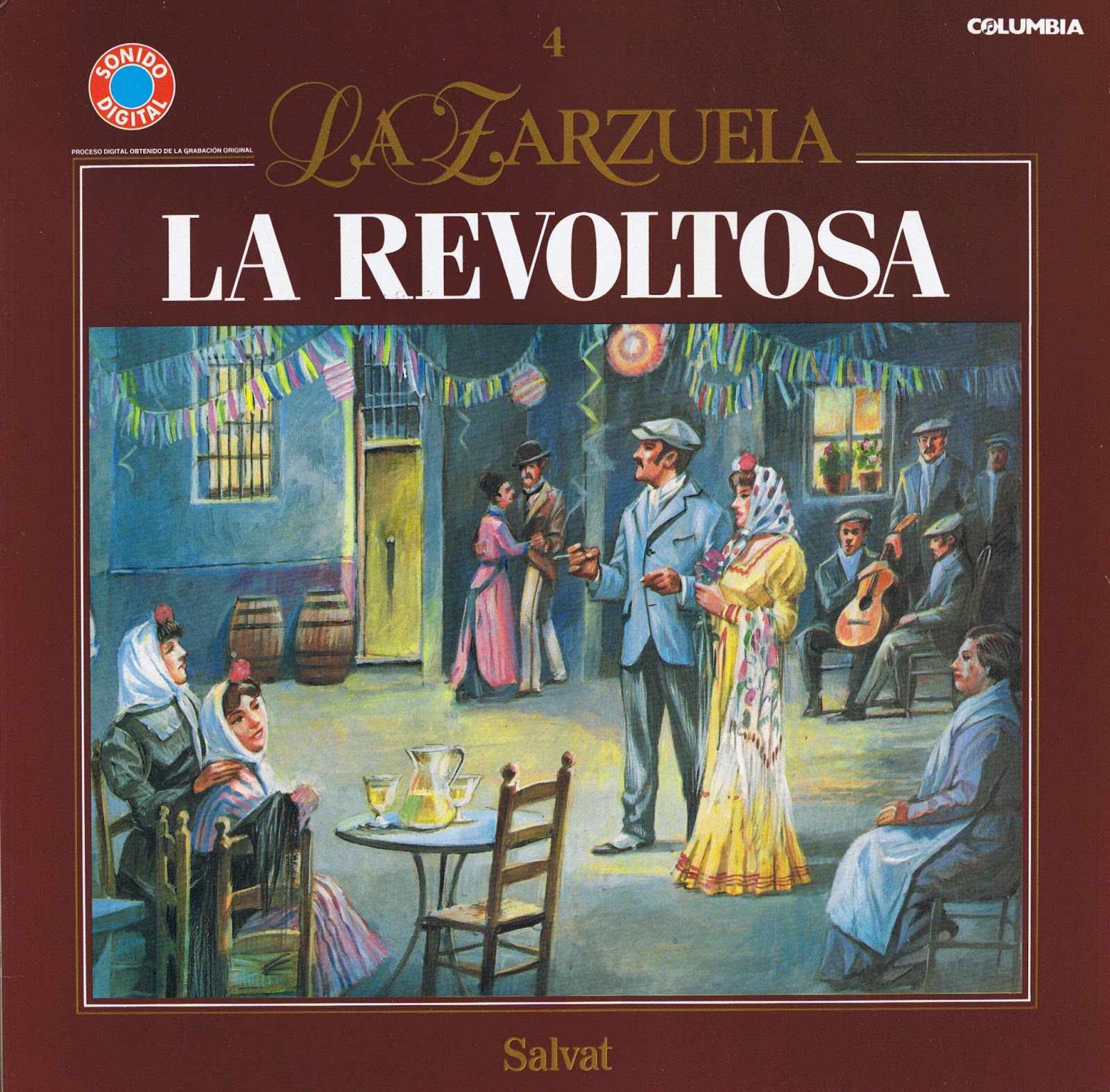
Ruperto Chapí, already an established composer, brought symphonic depth to this modest format. His approach elevated the sainete beyond mere amusement, integrating melodic richness and structural coherence that invited comparison with more serious operatic forms. Critics have noted how the prelude to La Revoltosa functions almost like a concert overture, establishing motifs that recur throughout the piece and demonstrating Chapí’s skill in thematic development.
The libretto by López Silva and Fernández Shaw is equally lauded for its linguistic precision and cultural insight. Drawing from observations of Madrid’s speech patterns, manners, and social rituals, the writers crafted dialogue that feels spontaneous and genuine. Their collaboration ensured that the humor arose naturally from character and situation rather than relying on forced jokes or anachronistic references.
Performance Details at Palacio de Festivales
The upcoming performances at Sala Argenta will feature a staged production designed to honor the work’s original spirit while making it accessible to modern audiences. While specific casting and directorial choices for this run have not been publicly detailed in verified sources, the Palacio de Festivales has a history of presenting lyrical and theatrical works with attention to musical fidelity and period-appropriate staging.
Sala Argenta, one of the venue’s primary performance spaces, is known for its acoustics and intimate atmosphere, making it well-suited for lyrical works like La Revoltosa, where vocal clarity and orchestral balance are essential. The 100-minute runtime suggests a presentation that includes the full score without significant cuts, preserving the narrative arc and musical progression as conceived by Chapí.
Performances are scheduled for April 24 and 25, 2026, at 7:30 p.m., aligning with traditional evening theatregoing habits. Ticket information and availability should be confirmed through the Palacio de Festivales’ official channels closer to the date, as programming details may be subject to update.
Cultural Context and Continuing Relevance
More than a century after its premiere, La Revoltosa remains a staple in the repertoire of Spanish lyrical theatre, frequently revived in theatres across Spain and occasionally performed in international venues with Spanish cultural programming. Its enduring appeal lies in its ability to entertain while offering a window into the social customs, humor, and musical tastes of late 19th-century Madrid.

For contemporary audiences, the work serves as both a cultural artifact and a living tradition—proof that themes of love, pride, and playful deception transcend time. The music’s infectious energy, particularly in numbers like the famous pasodoble and the fandango-inspired sequences, continues to resonate in concert halls and theatres alike.
By presenting La Revoltosa, the Palacio de Festivales contributes to the preservation and celebration of Spain’s lyrical heritage, offering audiences in Cantabria and beyond the chance to experience a work that helped define an era of Spanish musical theatre.
As of now, no further announcements regarding cast changes, additional performances, or related events have been verified through official sources. Audiences are encouraged to consult the Palacio de Festivales’ website or box office for the most current information.
If you’ve seen this performance or have thoughts on La Revoltosa and its place in Spanish culture, we invite you to share your perspective in the comments below. Experience free to share this article with others who appreciate theatre, music, or cultural history.
Worth a look