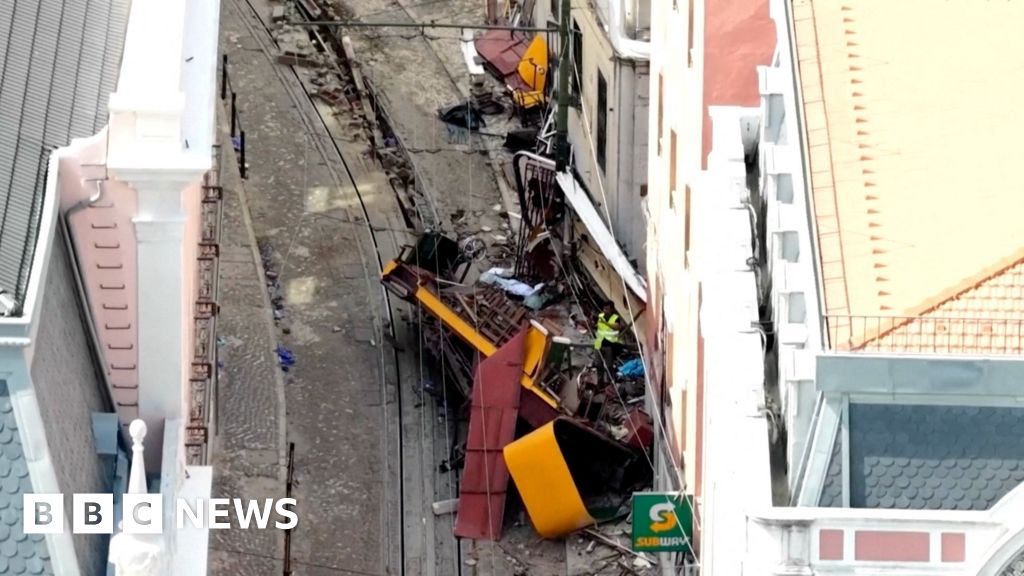
Lisbon Funicular Disaster: Preliminary Report Reveals Critical Safety Failures
The recent tragic derailment of Lisbon’s historic Glória funicular, claiming the lives of three British nationals among eleven fatalities and injuring twenty more, has prompted a preliminary inquiry revealing a cascade of critical safety failures. This report details the findings, the response from Carris (Lisbon’s public transport operator), and the steps being taken to prevent future incidents. As a long-time observer of transportation safety and infrastructure, I’ll break down the key takeaways and what this means for the future of Lisbon’s iconic funiculars.
What Happened? A Timeline of Events
On September 3rd, the 140-year-old Glória funicular, a popular tourist attraction, experienced a catastrophic cable failure, resulting in a collision with a building.The initial investigation points to a series of systemic issues, not a single point of failure.
Key Findings from the Preliminary Report:
* Inappropriate Cable: The cable used on the funicular was deemed “not technically suitable” yet was installed in 2022. While it had been in use for 601 days without incident, its non-compliance with safety standards is a significant concern.
* Lack of Oversight & Testing: Carris engineers provided no oversight during the cable installation, and crucially, the cable was never tested before being put into service. This is a fundamental breach of safety protocol.
* Outsourcing Issues: The company contracted for funicular maintainance seemingly gave the Glória funicular the all-clear on the day of the accident,but the report questions whether that inspection actually occurred.
* Failed Emergency Brake: When the cable snapped, the driver correctly attempted to engage the emergency brake. Though, the system failed to function as intended, and had never been tested beforehand.
* Incomplete Data: The report stresses that the investigation is ongoing and the information gathered is still incomplete. Attributing blame at this stage is premature.
Carris Responds: accountability and Changes
Following the release of the preliminary report, Carris has taken swift action. the head of maintenance for funiculars and trams has been dismissed.Though,Carris is careful to note that the cable acquisition occurred under the previous board of directors,who were in office before May 2022.
Carris maintains that it’s too early to definitively link the cable’s non-compliance to the accident, acknowledging that “other factors” likely contributed to the rupture. They are cooperating fully with the ongoing investigation.
What Does This Mean for You, the Traveler & Lisbon Resident?
If you’re planning a trip to Lisbon, or are a resident, here’s what you need to know:
* Funiculars are Currently Suspended: All of Lisbon’s cable cars are currently out of service pending thorough safety checks. This is a precautionary measure to ensure public safety.
* Braking System Review: A thorough review of all braking systems is underway to guarantee they can effectively stop carriages in the event of a cable failure – a critical safety feature that was lacking in the Glória accident.
* Closing a Regulatory Loophole: The investigation has highlighted a concerning loophole: Lisbon’s historic funiculars are currently exempt from the same legal and supervisory oversight applied to other cable-driven transport systems. This exemption will be addressed.
* Enhanced Safety Management System: Carris is committed to implementing a new safety management system aligned with European best practices. This will involve rigorous inspections, testing, and maintenance procedures.
Looking Ahead: A Full Report and Long-Term Solutions
The full investigation is expected to take approximately 11 months. If delays occur, an interim report will be released. this comprehensive report will delve deeper into the root causes of the accident and provide detailed recommendations for preventing future tragedies.
Beyond the Immediate Crisis: A Broader Perspective
This incident serves as a stark reminder of the importance of proactive safety measures, rigorous testing, and consistent oversight in maintaining aging infrastructure. It’s easy to become complacent when systems have operated without incident for extended periods. Though, as this case demonstrates, complacency can have devastating consequences.
Lisbon’s Mayor Carlos Moedas has emphasized that the tragedy was due to technical, not political, causes. While political accountability is important, the focus must remain on addressing the underlying technical deficiencies and strengthening safety protocols.
Staying Informed
Worth a look