Lithuania Moves to Restrict Marketing of Non-Alcoholic Beverages Mimicking Alcohol
published: 2026/02/15 07:48:28
New Legislation Aims to Protect Youth from Developing Harmful Habits
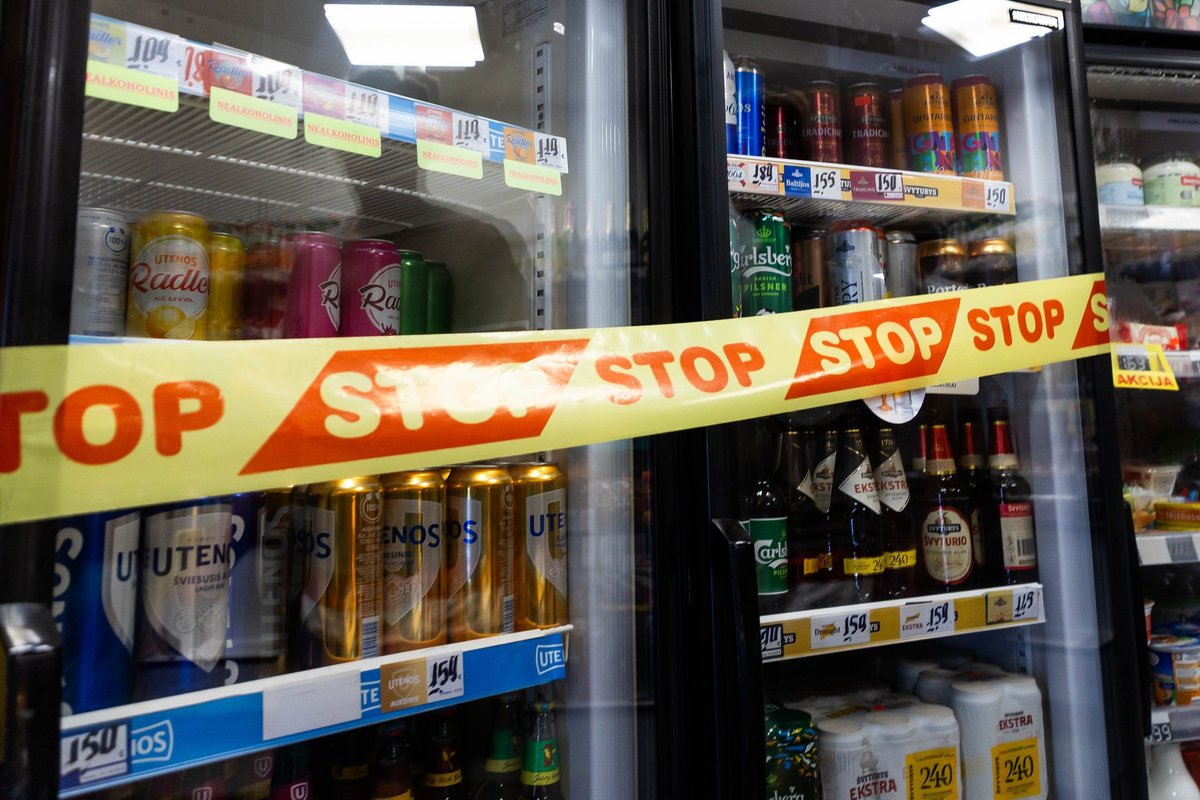
Lithuania is poised to tighten regulations surrounding the marketing of non-alcoholic beverages that resemble alcoholic drinks. Proposed amendments to the Lithuanian Food Law seek to eliminate terms like “non-alcoholic wine,” “non-alcoholic beer,” adn “non-alcoholic cider” from official usage. Instead, these products will be referred to as “non-alcoholic beverages whose name contains the name of an alcoholic beverage group, subgroup, and/or category.” This shift aims to reduce the appeal of these drinks to minors and prevent the normalization of alcohol consumption among young people.
Rationale Behind the Changes
The initiative, spearheaded by Member of Parliament Darius Razmislevičius of the Social Democratic Party, recognizes the increasing variety of non-alcoholic beverages that mimic thier alcoholic counterparts. Razmislevičius noted that approximately 20 such products are currently available in Lithuania,including non-alcoholic gin,rum,and tequila-flavored drinks. he argued that listing all these variations in the law would be impractical. Moreover, he suggested that manufacturers could easily circumvent the regulations by creating new names for these beverages that aren’t explicitly defined in the law.
“It would be impractical to list all of them in the law. Moreover, manufacturers wishing to launch analogues of alcoholic beverages with an alcohol content of no more than 0.5% by volume could give them a non-alcoholic beverage name associated with an alcoholic beverage that is not specified in the law,” Razmislevičius stated.
Proposed Restrictions on Sales to Minors
The proposed legislation goes further, aiming to prohibit the sale, purchase, or transfer of these beverages to individuals under the age of 18. The restriction extends to “non-alcoholic beverages such as non-alcoholic wine, non-alcoholic beer and other non-alcoholic beverages whose names are associated with alcoholic beverages and resemble alcoholic beverages in appearance.” Violators could face fines ranging from €20 to €120.
Building on Existing Regulations
This move builds upon existing legislation already in place regarding the sale of energy drinks to minors. Currently, Lithuanian law restricts the sale of energy drinks to those under 18, but no such restrictions exist for non-alcoholic beverages that mimic alcohol. The proposed amendments aim to close this regulatory gap.
Legislative Process and Future Outlook
The proposed amendments to the Food law and the Administrative Offences Code have already received initial approval from the Seimas (Lithuanian Parliament). The proposals will now be reviewed by the Seimas Committees on Health Affairs, Legal Affairs and Law Enforcement, and Human rights. A final vote is expected during the spring session of Parliament.Razmislevičius has emphasized his commitment to protecting young people from developing harmful habits, arguing that beverages designed to resemble alcohol in taste, design, and appearance can encourage underage drinking.
Key Takeaways
- Lithuania is considering changes to its Food Law to restrict the naming and marketing of non-alcoholic beverages that mimic alcoholic drinks.
- The proposed legislation aims to protect minors from being influenced to consume alcohol.
- The changes would prohibit the sale of these beverages to individuals under 18, with potential fines for violations.
- The initiative builds on existing regulations concerning the sale of energy drinks to minors.