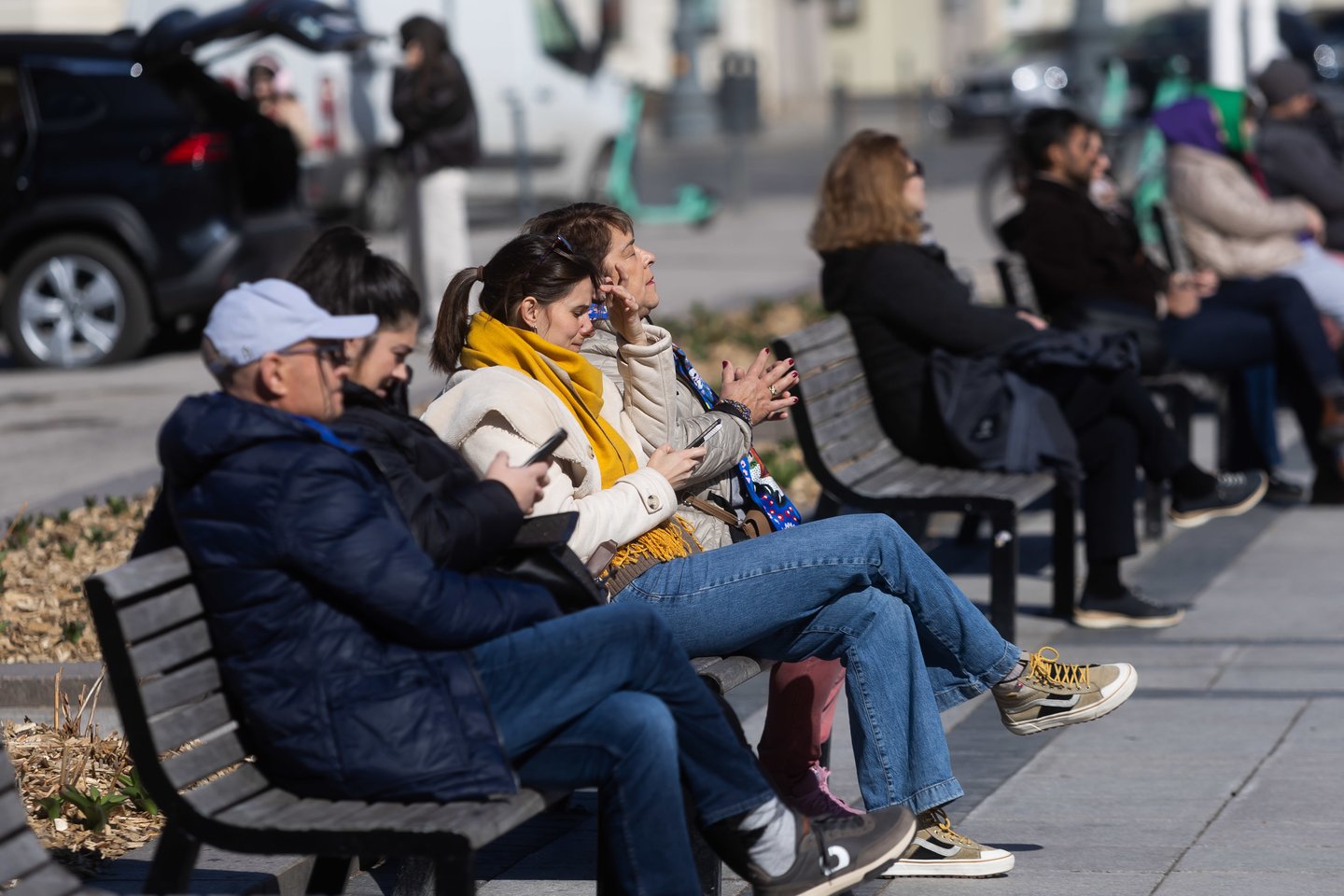
An approaching anticyclone is set to bring notable changes to weather conditions across Lithuania in the coming days, according to the Lithuanian Hydrometeorological Service. Meteorologists indicate that the high-pressure system will gradually replace the current cyclonic activity, leading to calmer winds, reduced precipitation, and a gradual warming trend, particularly during daytime hours. Although nighttime temperatures may still dip below freezing in some eastern and northern regions, forecasters expect a shift toward more stable and milder conditions by midweek.
The development follows a period of unsettled weather marked by intermittent rain, strong gusts, and fluctuating temperatures driven by a departing cyclone. As that system moves away from the Baltic region, the anticyclone — characterized by sinking air and outward wind flow — will begin to dominate, suppressing cloud formation and promoting clearer skies. This transition is typical for late autumn in Northern Europe, where shifting pressure systems often dictate short-term weather patterns.
According to Agnė Šležienė, a duty meteorologist at the Lithuanian Hydrometeorological Service, the anticyclone’s influence will become increasingly evident from Tuesday onward. “We are expecting a gradual improvement in weather conditions,” she stated in an official forecast briefing. “Precipitation will decrease significantly, winds will weaken, and daytime temperatures will rise, especially in the western and central parts of the country.” She added that while nights will remain cold, the risk of severe weather, including strong winds or heavy rain, will diminish.
Šležienė noted that maximum temperatures could reach between 5°C and 8°C in lowland areas by Wednesday and Thursday, with localized sunny spells possible in the south and southwest. In contrast, overnight lows may still fall to between -2°C and 2°C, particularly in inland and elevated regions such as Aukštaitija and Žemaitija, where frost could form on surfaces. Though, she emphasized that no prolonged cold snap or snowfall is currently anticipated under the prevailing high-pressure regime.
The shift in weather patterns comes as Lithuania transitions deeper into the autumn season, with daylight hours continuing to shorten and solar radiation weakening. Meteorologists explain that anticyclones during this time of year often bring temperature inversions, where a layer of warm air traps cooler, denser air near the surface. This can lead to fog or low stratus clouds in valleys and basins, especially during calm, clear nights, while hilltops and higher elevations may experience clearer conditions and relatively milder temperatures.
Such inversions are not uncommon in November and have been observed in previous years across the Baltic region. While they can reduce visibility in the morning hours, particularly around rivers and lakes, they generally do not pose significant hazards unless combined with pollution buildup in urban areas. Officials from the Environmental Protection Agency have not issued any air quality alerts related to the current forecast, noting that wind dispersion remains adequate in most populated centers.
For residents and commuters, the improving weather may offer relief from the recent damp and windy conditions that have affected travel and outdoor activities. Road authorities have reported no weather-related disruptions on major highways as of Monday morning, though they continue to advise caution during early morning hours when localized fog or damp road surfaces may reduce traction. The Lithuanian Road Transport Directorate recommends checking real-time updates via its official traffic information portal before embarking on longer journeys.
Looking ahead, the Hydrometeorological Service indicates that the anticyclone’s influence is expected to persist through the end of the workweek, though its strength may begin to wane by Friday. Long-range models suggest a potential return of more unsettled conditions from the Atlantic by next weekend, though forecasters stress that predictions beyond five days remain subject to change. No extreme weather warnings are currently in effect for Lithuania, and the national alert level remains green across all regions.
As seasonal transitions continue, meteorologists remind the public that November weather in Lithuania can be highly variable, with rapid shifts between mild, wet spells and shorter periods of cold, stable conditions. They encourage individuals to stay informed through official channels, including the Hydrometeorological Service’s website and mobile application, which provide hourly updates, detailed forecasts, and severe weather alerts when necessary.
While the current outlook does not indicate any immediate risks, authorities advise vulnerable populations — such as the elderly, young children, and those with respiratory conditions — to take standard precautions during colder mornings, including dressing in layers and limiting prolonged exposure to damp or foggy environments. Health officials note that while the weather itself poses no direct threat, sudden changes can sometimes exacerbate underlying health sensitivities, particularly in poorly ventilated indoor spaces.
the arrival of the anticyclone marks a shift toward more tranquil weather across Lithuania, offering a temporary respite from the turbulence of recent days. With decreasing precipitation, lighter winds, and gradually rising daytime temperatures, conditions are expected to improve for travel, outdoor work, and daily routines. However, the persistence of cool nights and potential for localized fog means that vigilance remains advisable, particularly during early morning hours.
For the most accurate and up-to-date information, the public is encouraged to consult the Lithuanian Hydrometeorological Service directly. Updates are issued multiple times daily and include regional breakdowns, precipitation maps, and wind forecasts.
As always, World Today Journal will continue to monitor developments and provide verified updates should the forecast change significantly. Readers are invited to share their observations or ask questions in the comments section below, and to share this article with others who may find it useful.
Related reading