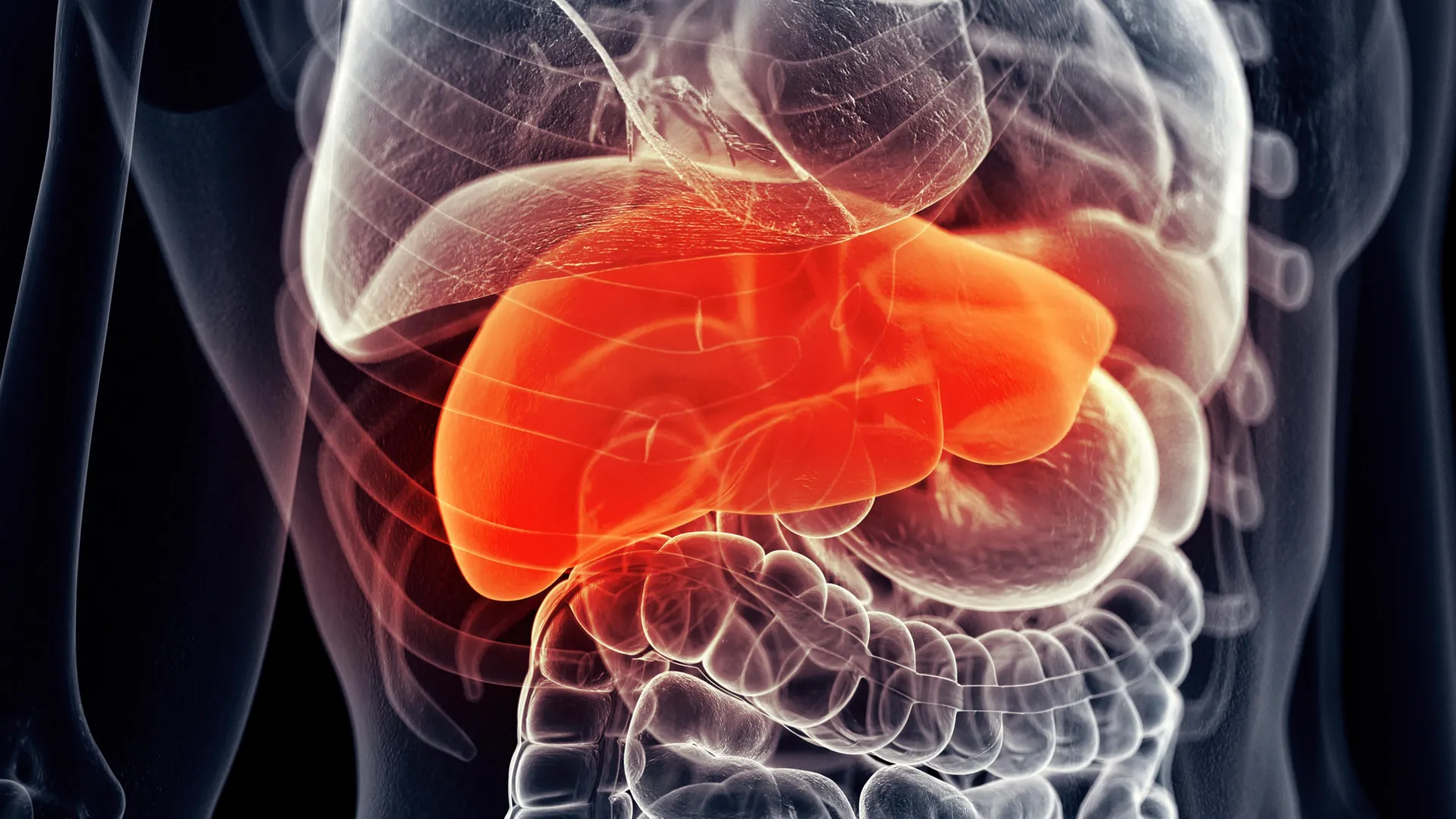
Harnessing the Power of Bile Acids: A Novel Approach to Boosting Liver Cancer Immunotherapy
Liver cancer remains a formidable challenge, demanding innovative treatment strategies.Recent research from the Salk Institute, published with support from numerous prestigious institutions and funding bodies (detailed at the end of this article), unveils a groundbreaking connection between bile acids – naturally occurring compounds produced in the liver – and the effectiveness of immunotherapy. This discovery offers a potentially transformative pathway to enhance treatment outcomes for patients battling this aggressive disease, and opens doors to exploring similar strategies for other conditions.
The Unexpected Role of Bile Acids in cancer Immunity
For years, the focus of cancer immunotherapy has centered on directly stimulating the immune system to recognize and destroy tumor cells. However, the microenvironment surrounding the tumor plays a crucial role in determining weather this immune response succeeds. This new research highlights a previously underappreciated factor: the influence of bile acids within the liver itself.
“This provides a vantage point for looking at ways to optimize cancer treatment,” explains Dr. Siva karthik Varanasi, now at the University of Massachusetts Chan Medical School, who was instrumental in this work. “By taking this unique approach, we’re able to see that bile acids in the liver are hugely influencing T cells’ ability to do their job and therefore may be a useful therapeutic target.”
T cells are the workhorses of the immune system, responsible for directly attacking and eliminating cancer cells. But their effectiveness can be hampered by a variety of factors, including a suppressive tumor microenvironment.The Salk team’s research demonstrates that specific bile acids can significantly impact T cell function, either bolstering or hindering their ability to fight cancer.
Unlocking the Mechanisms: BAAT, UDCA, and the Tumor Microenvironment
The research team began by analyzing human liver cancer biopsies, revealing elevated levels of conjugated bile acids.To understand their impact, they conducted experiments in mice. crucially, they discovered that inhibiting the enzyme BAAT – responsible for producing these conjugated bile acids – led to a substantial reduction in tumor size. This suggests that lowering BAAT activity could prime the liver microenvironment for a more robust immune response.
Further examination into 20 different bile acids revealed a complex interplay. While most had minimal effect, two stood out:
* TCDCA: This primary bile acid induced oxidative stress in T cells, a damaging imbalance that impairs their function.
* UDCA (Ursodeoxycholic Acid): This secondary bile acid proved remarkably beneficial. UDCA not only boosted T cell performance but also attracted more immune cells to the liver, amplifying the anti-tumor response. Supplementation with UDCA in mice resulted in meaningful tumor reduction, demonstrating its potential as a therapeutic adjunct to immunotherapy.
Another secondary bile acid, LCA, was found to be detrimental, causing endoplasmic reticulum stress and damaging T cell function. This highlights the importance of carefully considering the specific bile acid profile within the liver.
From Bench to Bedside: A Rapid Path to Clinical Translation
The promise of this research lies in its potential for rapid clinical translation.UDCA is already used to treat various liver diseases, meaning its safety profile is well-established. “We’re already a huge step ahead when it comes to translating our findings to the clinic, as UDCA supplementation is already used to treat liver disease and could easily be tested in liver cancer next,” states Dr.Kaech, the lead investigator at Salk.
The team is also keenly focused on the role of the gut microbiome – the complex community of bacteria residing in the digestive tract – in regulating bile acid levels. They are exploring how manipulating the microbiome through dietary interventions or probiotics could further optimize bile acid profiles and enhance immunotherapy effectiveness. Questions they are actively pursuing include:
* How can we promote the growth of “good” bacteria that produce beneficial bile acids?
* How does the microbiome change during the progression of liver cancer?
* Could targeted probiotic therapies be a viable treatment strategy?
beyond Liver Cancer: Expanding the Therapeutic Horizon
The implications of this research extend beyond liver cancer. The team believes that modulating BAAT activity and bile acid levels could also benefit individuals with chronic liver disease and obesity, conditions often characterized by imbalances in bile acid metabolism.
This research represents a significant leap forward in our understanding of the complex interplay between the liver, the immune system, and cancer. By harnessing the power of bile acids, we may be able to unlock new and effective strategies for treating not only liver cancer but a range of other diseases as well.
Research Team & Funding Acknowledgements:
This groundbreaking work was a collaborative effort involving researchers from:
* Salk Institute
* UC San Diego
* Sanford Burnham Prebys Medical Discovery Institute
* Columbia
Keep reading