Securing the Snow: Addressing Concerns for the 2026 Milan-Cortina Winter Olympics in Livigno
The 2026 Winter Olympics,set to unfold in Milan and Cortina d’Ampezzo,Italy,are facing a critical juncture regarding the Livigno venues – specifically,the Snow Park and Aerials & moguls Park. Recent concerns raised by International Ski Federation (FIS) President Johan Eliasch regarding artificial snow production and funding delays have cast a spotlight on the logistical and financial challenges facing the Games. This article delves into the situation, examining the progress made, the underlying issues impacting winter sports, and what steps are being taken to ensure a prosperous Olympic showcase. The core of this discussion revolves around snowmaking, a practice increasingly vital for the future of winter sports in a changing climate.
The Livigno Challenge: A Race Against Time
Livigno, a high-altitude resort in the Italian Alps, is slated to host snowboarding and freestyle skiing events, with 26 gold medals at stake. However, these events are heavily reliant on ample quantities of artificial snow to create the necessary halfpipes and jumps. The snow cannons depend on water sourced from the Monte Sponda reservoir, and recent reports indicated delays in preparations, fueled by a lack of funding from the italian government.
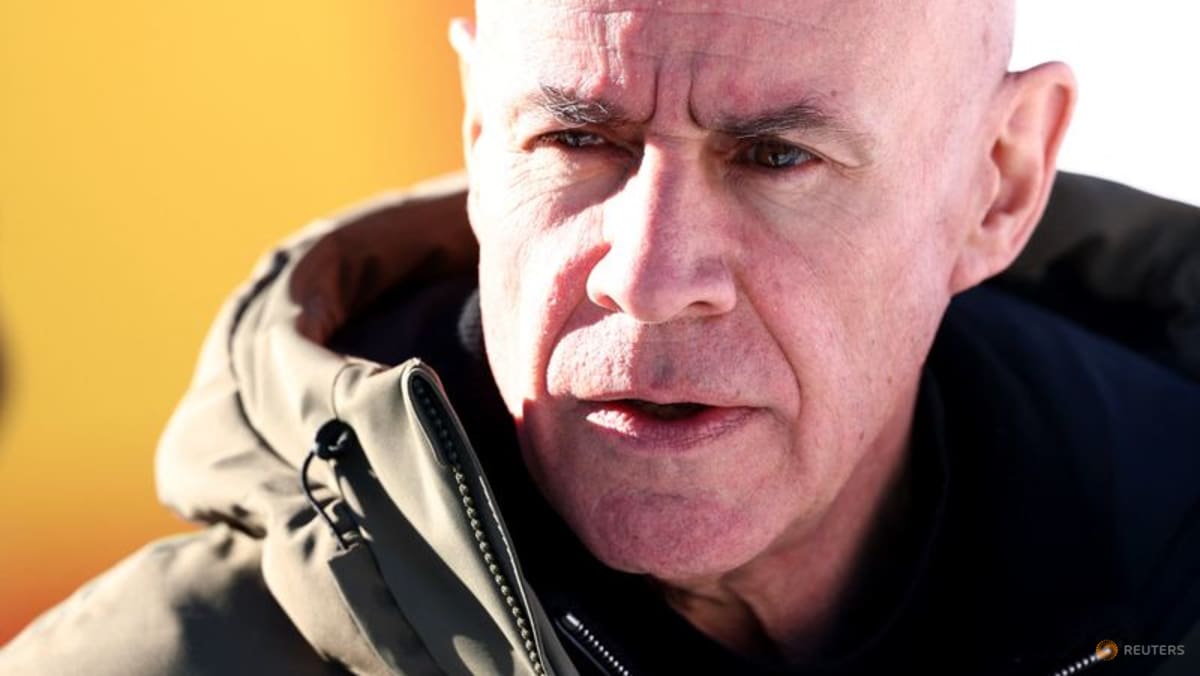
Eliasch initially voiced alarm, highlighting the organizers’ struggles. However, in a more recent statement (December 27, 2023), he acknowledged “visible progress” over the past two weeks, commending the Local Organising Committee’s determination. This shift in tone suggests positive steps are being taken, though the situation remains under close scrutiny. Livigno’s mayor, Remo Galli, has also assured that technical issues causing the delays are being addressed and that sufficient snow will be available.
But is this enough? The reliance on artificial snow isn’t just a Livigno problem; it’s a symptom of a larger, systemic issue.
Beyond Livigno: The Future of Winter Sports and Climate Change
The challenges in Livigno are indicative of broader structural problems facing winter sports globally. Rising costs, increasing climate pressure, and underutilized infrastructure are driving calls for a more lasting and adaptable model. A recent report by the University of Waterloo (November 2023) estimates that only 60% of former Winter Olympic host cities can reliably host the Games again by 2050 due to climate change. This statistic underscores the urgency of finding solutions.
The increasing reliance on artificial snow,while currently a necessity,isn’t without its drawbacks.It’s energy-intensive, requiring significant electricity to power the snow cannons. It also raises environmental concerns regarding water usage and potential impacts on local ecosystems. Alternative solutions, such as investing in more resilient snowmaking technologies, exploring alternative venues at higher altitudes, and promoting cross-country skiing and biathlon (which require less snow), are being actively discussed. The FIS is actively researching more sustainable snowmaking practices, including utilizing renewable energy sources and optimizing water usage. FIS Sustainability Report
Secondary Keywords: artificial snowmaking, winter olympics sustainability, climate change and skiing, snow sports future, Olympic venue challenges.
addressing the Concerns: A Step-by-Step Approach
So,what’s being done to mitigate the risks and ensure a successful Games? Here’s a breakdown of the key steps:
- Securing Funding: The Italian government’s release of funds is paramount. Continued dialog and commitment are essential to ensure the Local Organising Committee has the resources needed.
- Optimizing Snowmaking: Focusing on efficient snowmaking techniques, utilizing weather forecasting to maximize production during optimal conditions, and implementing water conservation measures.
- Infrastructure Investment: Upgrading existing infrastructure, including snow cannons and water reservoirs, to improve reliability and efficiency.
- Contingency Planning: Developing alternative
Keep reading