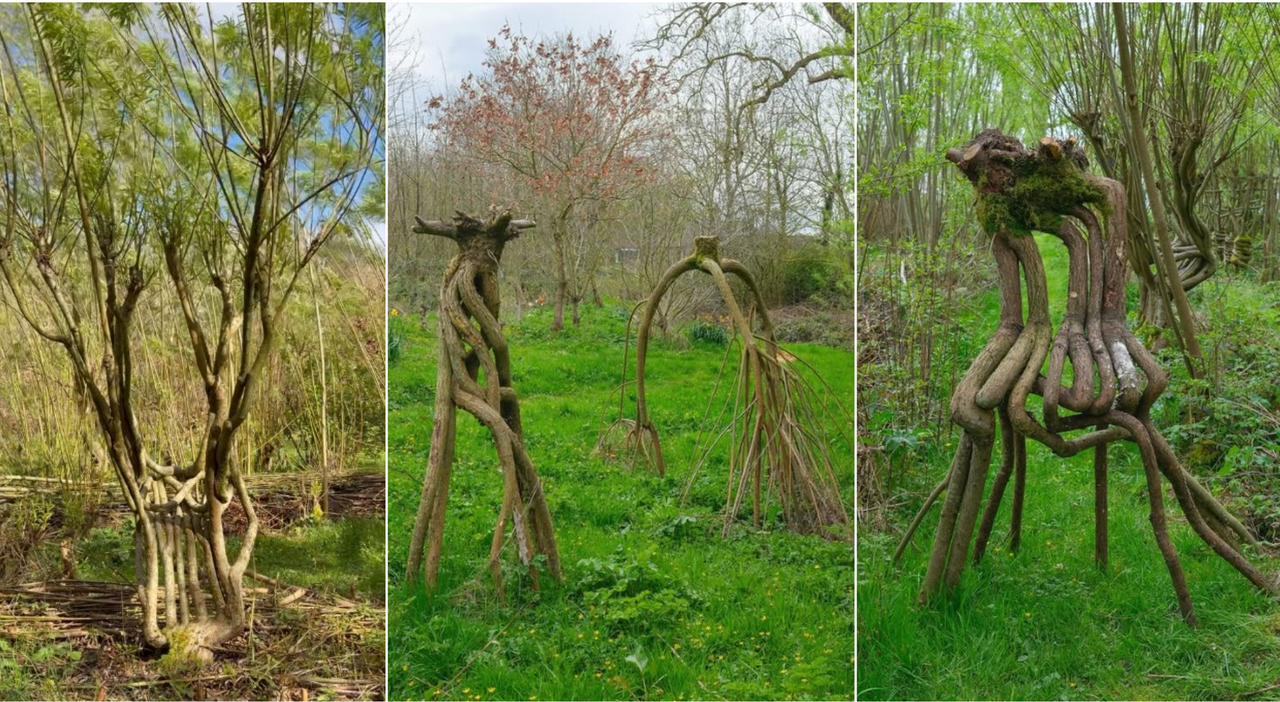
Living furniture, a niche form of botanical design, has gained international attention as designers increasingly experiment with “growing” functional objects directly from trees. This practice, often referred to as arboriculture or botanical furniture, involves shaping the growth of living trees over several years to form chairs, tables, and sculptures. While the concept of high-end, bespoke botanical art has existed for decades, recent market interest has seen pieces—specifically chairs grown from trees—listed at prices reaching approximately 80,000 euros, sparking debate regarding the valuation of sustainable art versus traditional manufacturing.
The practice relies on techniques such as grafting, bending, and pruning young saplings into specific forms. Proponents of the movement argue that these pieces represent a fusion of environmental sustainability and long-term craftsmanship. Critics, however, often point to the extreme price points and the extended time required for production as barriers that limit the accessibility of such items to a global audience. According to reports regarding contemporary design trends, the process is labor-intensive, often requiring five to ten years for a single piece to reach a stage where it can support human weight reliably.
The Intersection of Botanical Design and Medical Recovery
Recent media coverage has highlighted the personal motivations behind some practitioners in this field, noting that the transition into “growing” furniture was, in at least one documented instance, inspired by a period of medical recovery. For individuals involved in this craft, the slow, methodical pace of tree growth serves as a therapeutic contrast to the rapid-fire nature of modern industrial production. This intersection of horticulture and physical rehabilitation suggests that the appeal of living furniture extends beyond mere aesthetics or luxury market trends.
The botanical design industry is governed by principles of sustainable forestry and arboricultural management. In many jurisdictions, the cultivation of woody plants for design purposes must adhere to local environmental regulations, which prioritize the health of the ecosystem over the specific structural outcome of the plant. Readers interested in the intersection of environmental policy and creative design can consult the International Union of Forest Research Organizations for standards on sustainable forest management practices that influence how such projects are permitted and executed.
Market Dynamics and Luxury Valuation
The valuation of 80,000 euros for a single botanical chair reflects its status as a limited-edition piece of functional art rather than a mass-produced consumer good. In the luxury furniture market, provenance, the number of years invested in the growth process, and the rarity of the specific wood species are primary drivers of cost. Unlike traditional carpentry, where materials are harvested and processed, living furniture requires ongoing maintenance, irrigation, and protection from environmental pests throughout the entire production cycle.
Economic analysts often categorize these items under “investment art,” where the value is derived from the artist’s unique technique and the scarcity of the final product. Data from The Design Museum in London indicates that the interest in “slow design”—a movement that advocates for products with long production lifespans—has grown steadily as consumers seek alternatives to disposable, fast-furniture trends. However, the high barrier to entry remains a significant factor, effectively restricting ownership to high-net-worth collectors and specialized galleries.
Technical Challenges in Living Furniture Production
Growing a chair is not simply a matter of planting a seed and waiting. It requires advanced knowledge of plant physiology, specifically the ability to manipulate cambium layers through grafting to ensure the tree remains healthy while maintaining structural integrity. If the graft is unsuccessful or the tree develops a disease, years of work can be lost, which accounts for the high risk premium included in the final sale price of these items.
Professionals in this field often utilize steel frames or wooden molds to guide the saplings during their formative years. Once the tree has matured and “set” into the desired shape, the frame is removed, leaving a self-supporting structure. According to horticultural experts, the long-term viability of these chairs depends on the species chosen; hardwoods like oak or ash are frequently preferred for their structural strength and longevity. Maintenance for the owner involves standard arboricultural care, such as seasonal pruning, to prevent the chair from growing out of its intended shape.
Future Developments in Botanical Art
As the field of botanical architecture and design matures, researchers are looking into whether these techniques can be scaled for larger applications, such as living bridges or structural elements for sustainable buildings. The Food and Agriculture Organization (FAO) of the United Nations monitors global trends in forestry and provides resources on how innovative uses of trees can contribute to carbon sequestration and urban greening. While living chairs remain a niche luxury, the underlying technology of “shaping” wood while it is still alive is being studied for its potential to reduce the energy consumption associated with logging, milling, and transporting traditional timber.
The next phase of this movement will likely involve more rigorous testing of the structural limits of living furniture to ensure safety standards are met for commercial use. As more designers enter the space, the market may see a wider range of price points, though the inherent time constraints of the growing process suggest that these items will remain luxury goods for the foreseeable future. We invite readers to share their thoughts on whether the environmental benefits of “growing” furniture justify its high costs in the comments section below.
Worth a look