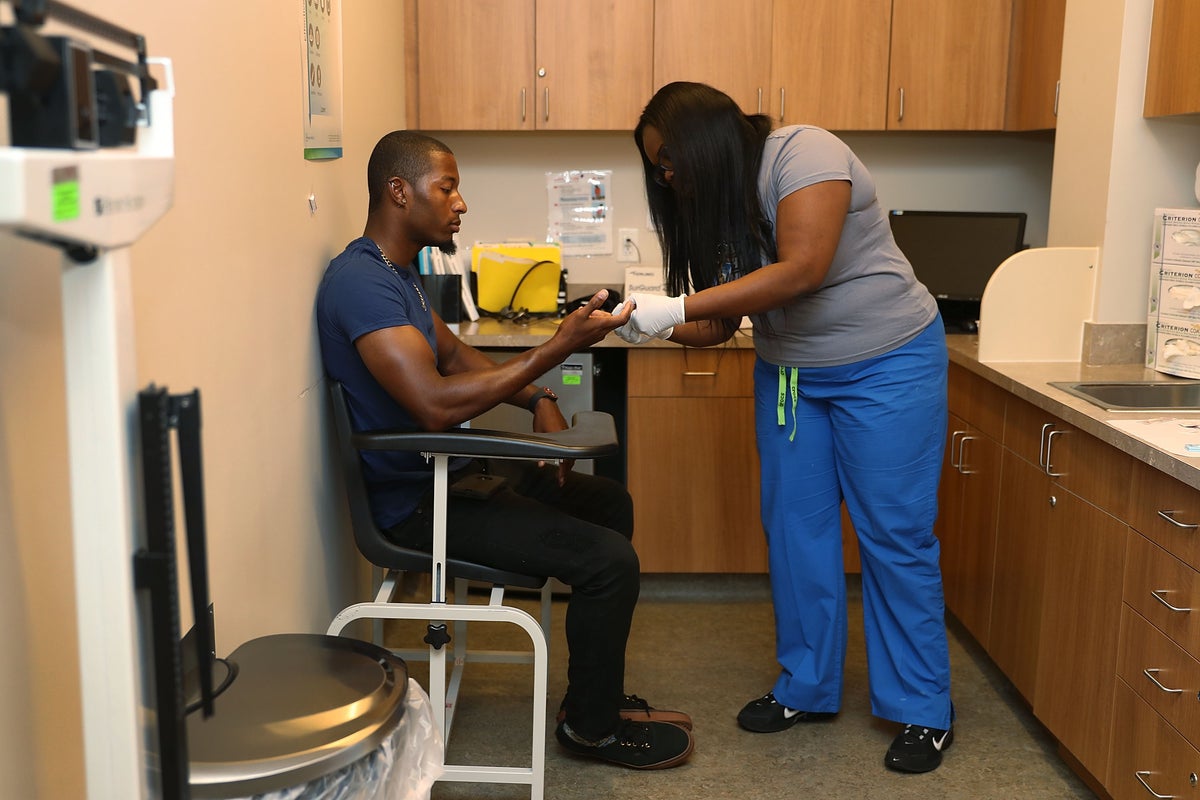
Public health officials are warning that a potential lapse in funding for the Centers for Disease Control and Prevention (CDC) could lead to a significant surge in new HIV infections across the United States. Reports indicate that HIV infections would rise by 10% in the US if CDC funding ends, threatening to reverse years of progress in the fight against the virus.
The stakes are high for the millions of people currently managing the condition. More than 1.2 million Americans are living with the lifelong illness, for which there is currently no cure.
The potential loss of federal support targets critical infrastructure, including testing programs, preventative care, and the distribution of medication that keeps the virus suppressed. Without these resources, health experts fear a breakdown in the systems that identify new cases early and prevent further transmission.
The Impact of Federal Funding on HIV Prevention
The CDC plays a central role in managing the HIV epidemic in the U.S. Through a combination of grants, surveillance, and public health initiatives. These programs are designed to reduce the number of new infections by promoting early diagnosis and ensuring that those living with the virus have access to antiretroviral therapy (ART).
When funding for these initiatives is jeopardized, the immediate result is often a reduction in available testing sites and a decrease in outreach to high-risk populations. The projected 10% increase in infections highlights the fragility of the current prevention network, where a gap in funding can lead to an immediate spike in transmission rates.
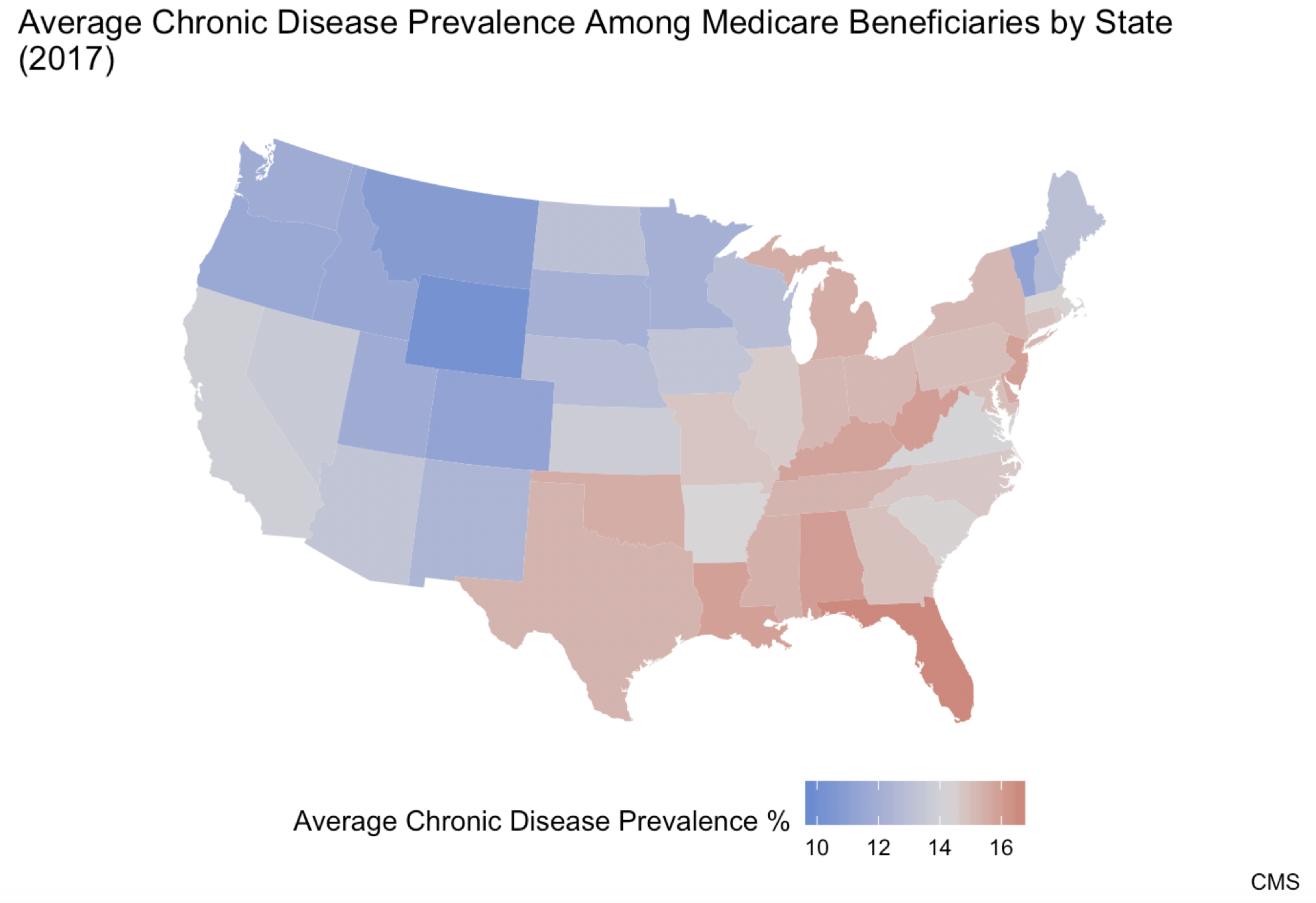
Chronic diseases, including HIV, represent a massive burden on the American healthcare system. According to the CDC, chronic diseases are defined as conditions that last one year or more and require ongoing medical attention or limit activities of daily living. These conditions are the leading cause of illness, disability, and death in America, and they drive a significant portion of the nation’s $4.9 trillion in annual health care costs.
Understanding the Burden of Chronic Illness in the U.S.
HIV exists within a broader context of a chronic disease epidemic in the United States. The intersection of multiple health conditions often complicates the treatment of HIV, as patients may also struggle with other non-communicable diseases.
Data shows that three in four American adults have at least one chronic condition, and over half have two or more. The prevalence increases significantly with age; more than 90% of adults ages 65 and older have at least one chronic condition, while 60% of younger adults ages 18–34 are affected.
The U.S. Often faces a higher burden of chronic illness compared to peer nations. Research from the Health System Tracker indicates that the U.S. Has higher rates of several chronic diseases, including diabetes (2 times the comparable country average) and obesity (2.4 times the average), which can exacerbate the health challenges faced by those living with HIV.
Key Risk Factors and Preventable Conditions
Many chronic diseases are driven by a short list of risk behaviors. The CDC identifies the following as primary drivers of preventable chronic illness:
- Smoking and tobacco use
- Poor nutrition
- Physical inactivity
- Excessive alcohol use
For individuals living with HIV, managing these risk factors is critical. Smoking, for example, is linked to heart disease, stroke, and lung diseases, which can further complicate the health profile of a patient already managing a lifelong viral infection.
What Happens Next for HIV Funding?
The prospect of a 10% increase in HIV infections serves as a warning to policymakers regarding the necessity of stable, long-term funding for the CDC. The stability of these funds determines whether the U.S. Can maintain its current trajectory toward reducing new infections or if it will face a resurgence of the epidemic.
The global community continues to monitor U.S. Health policy, as the United States remains a primary contributor to global health initiatives. A domestic failure to fund HIV prevention could signal a shift in priority that affects not only American citizens but also international efforts to eradicate the virus.
For those seeking official updates on funding decisions or looking for HIV resources, the CDC’s official portals provide the most current guidance on testing and treatment access.
We invite our readers to share their perspectives on the intersection of public health funding and chronic disease management in the comments below.
- Manhunt in Germany after deadly car ramming near Berlin Pride
- Attentato a Berlino durante il Pride, muore una donna. Almeno 16 feriti, è caccia all’attentatore: Abdul B., 21 anni, appartenente ad ambienti islamisti – Corriere della Sera
- Americans Can Take Action Tonight in Sioux Falls (news-usa.today)