
Quebec’s Youth Loneliness Crisis: 6 in 10 Young Adults Report Feeling Isolated
MONTREAL — A new study from Quebec’s Université de Sherbrooke reveals a startling rise in loneliness among young adults, with 58% of 18- to 29-year-olds reporting feelings of isolation in late 2025. The findings, part of the university’s *L’état de santé mentale en contexte de crises multiples* report, show that loneliness in this age group has surged from 41% in 2021, marking a 17-percentage-point increase over four years. The data paints a troubling picture of a generation grappling with mental health challenges at a critical stage of life.
Dr. Gabriel Blouin-Genest, a researcher at the university’s Centre interdisciplinaire de développement en santé, called the trend “preoccupying,” noting that young adults are now experiencing higher rates of anxiety and depression than during the pandemic. “This represents a pivotal time for personal and professional development, yet we’re seeing a collapse in social connection,” he said in the report. The study, which surveyed 2,037 adults in Quebec’s Estrie and Montérégie regions, also found that anxiety symptoms in this age group rose from 21% to 31% between 2021 and 2025, whereas depressive symptoms climbed from 23% to 30%.
The findings align with broader concerns about youth mental health in Canada and beyond. While loneliness has historically been associated with older adults, the Sherbrooke study suggests that young Quebecers are now more likely to report persistent isolation than their elders. This reversal challenges long-held assumptions about social vulnerability across age groups.
Technology and Social Disconnection
Researchers point to a combination of factors driving the loneliness epidemic among young adults. Dr. Blouin-Genest highlighted the role of technology, noting that “screens are now a constant presence, but they’re replacing face-to-face interactions.” The study found that 18- to 29-year-olds spend an average of 7.2 hours daily on digital devices—nearly double the time reported by those over 65. While social media and messaging apps were designed to connect people, the data suggests they may be deepening a sense of disconnection for many users.
The shift to remote work and learning during the pandemic appears to have had a lasting impact. The report notes that young adults who entered the workforce or post-secondary education during lockdowns struggled to rebuild in-person social networks afterward. “Many of these individuals never developed the same social skills or workplace relationships as previous generations,” Blouin-Genest explained. The study also found that young adults who worked remotely at least three days a week reported loneliness rates 12% higher than those working primarily in person.
Generational Divide in Mental Health
The Sherbrooke study offers a rare comparative look at mental health across age groups in Quebec. While loneliness among 18- to 29-year-olds reached 58% in 2025, the rate for those aged 65 and older was 17%—nearly identical to pre-pandemic levels. However, the data reveals a more nuanced picture: adults aged 75 and older reported loneliness rates of 18%, statistically indistinguishable from the 18-29 cohort. This suggests that while young adults are now the most likely to report loneliness, the oldest seniors remain vulnerable as well.
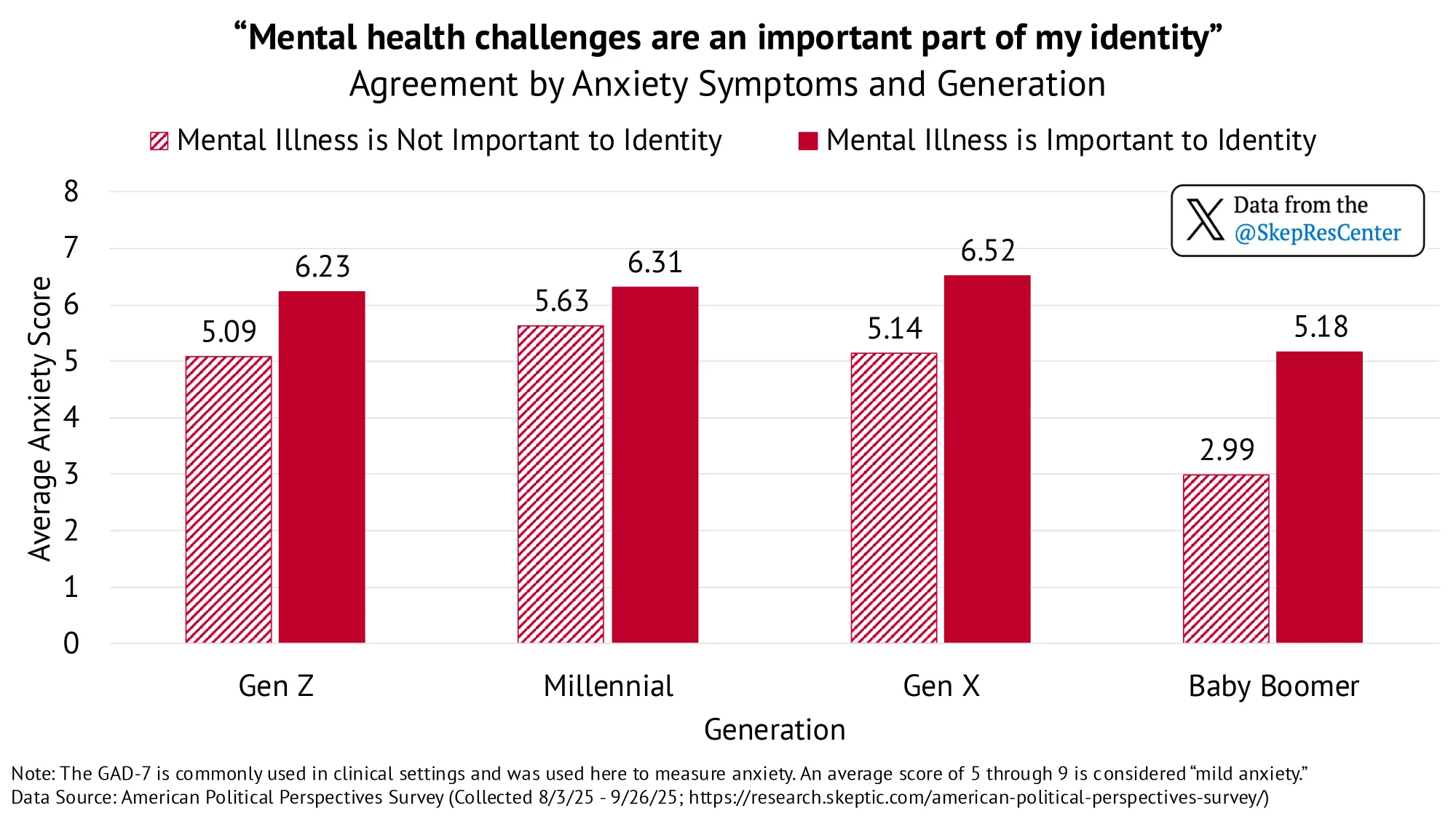
Anxiety and depression rates also show stark generational differences. Among 18- to 29-year-olds, 31% reported anxiety symptoms in 2025, compared to 19% of those aged 65 and older. Depressive symptoms followed a similar pattern, with 30% of young adults affected versus 14% of seniors. The study’s authors warn that these trends could have long-term consequences, including reduced workforce productivity, higher healthcare costs, and delayed milestones like homeownership or starting families.
Policy Responses and Public Health Implications
Quebec’s government has begun to address the issue, with the Ministry of Health and Social Services announcing a five-year mental health action plan in January 2026. The plan includes $120 million in funding for youth mental health programs, with a focus on community-based initiatives to reduce isolation. “We’re seeing a generation that’s more connected than ever digitally but more isolated socially,” said Minister of Health Christian Dubé at the plan’s launch. “This requires a coordinated response from government, schools, and employers.”
Experts are calling for a multi-pronged approach to tackle the crisis. Dr. Marie-Claude Geoffroy, a psychologist and professor at McGill University, emphasized the need for “social prescribing”—a model where healthcare providers refer patients to community activities like sports teams or volunteer groups. “Medication and therapy are crucial, but we also need to rebuild social infrastructure,” she told the *Montreal Gazette* in a recent interview. Geoffroy’s research has found that young adults who participate in structured group activities report loneliness rates 20% lower than those who don’t.
Employers are also being urged to play a role. A 2025 report from the Chambre de commerce du Montréal métropolitain found that 63% of young workers in Quebec feel their workplace does not adequately support their mental health. The organization has launched a “Mental Health at Work” certification program to encourage companies to adopt policies like flexible work arrangements and team-building activities.
Global Context: A Widening Crisis
Quebec’s youth loneliness crisis is not an isolated phenomenon. A 2025 World Health Organization report found that loneliness among young adults has risen sharply in high-income countries since 2020, with rates exceeding 50% in several nations. The U.S. Surgeon General declared loneliness a public health epidemic in 2023, citing research linking chronic isolation to increased risks of heart disease, dementia, and premature death.
In the UK, the government appointed a Minister for Loneliness in 2018, a role that has since been adopted by Japan and Australia. These countries have implemented national strategies to combat isolation, including funding for community centers, intergenerational housing programs, and public awareness campaigns. Quebec’s action plan draws inspiration from these models, particularly the UK’s emphasis on measuring loneliness as a key public health indicator.
However, experts caution that solutions must be tailored to local contexts. “What works in Tokyo or London may not work in Montreal,” said Dr. Blouin-Genest. “We need to consider Quebec’s unique cultural and linguistic landscape, as well as the specific challenges faced by young adults here, such as the high cost of living and competitive job market.”
Key Takeaways
- 58% of Quebecers aged 18-29 reported loneliness in 2025, up from 41% in 2021, according to Université de Sherbrooke data.
- Anxiety and depression rates in this age group rose to 31% and 30%, respectively, over the same period.
- Technology utilize and remote work are identified as key drivers of social disconnection.
- Quebec’s government has allocated $120 million to address youth mental health through its 2025-2030 action plan.
- Global comparisons show similar trends, with loneliness rates among young adults exceeding 50% in several high-income countries.
What’s Next?
The Université de Sherbrooke team plans to release a follow-up report in late 2026, tracking the effectiveness of Quebec’s mental health initiatives. The study will also explore the impact of new policies, such as the province’s mental health curriculum for high schools, which was introduced in September 2025. Researchers will survey the same age groups to assess whether loneliness rates have stabilized or continued to rise.
For young adults in Quebec struggling with loneliness, resources are available through the Quebec government’s mental health portal, which offers a directory of support services, crisis hotlines, and community programs. Employers and educational institutions are also encouraged to participate in the province’s mental health certification programs to better support their communities.
As this crisis continues to unfold, one thing is clear: the solutions will require collaboration across sectors, from government and healthcare to technology and education. For a generation that came of age in an era of unprecedented digital connection, the path forward may lie in rediscovering the value of face-to-face human interaction.
What steps do you feel communities should grab to address youth loneliness? Share your thoughts in the comments below, and don’t forget to share this article with those who might discover it helpful.
Worth a look