For patients with severe tricuspid regurgitation—a condition where the tricuspid valve fails to close properly, causing blood to leak backward into the heart’s right atrium—transcatheter tricuspid valve replacement (TTVR) is emerging as a game-changing therapy. Unlike traditional open-heart surgery, this minimally invasive procedure delivers a replacement valve through a catheter, offering hope to those who were once deemed inoperable. But how does it perform in real-world settings beyond clinical trials? New evidence suggests that device-enabled TTVR may deliver significant symptom relief and functional improvements for carefully selected patients.
In a landmark retrospective cohort study published in March 2025, researchers examined the outcomes of TTVR in a real-world patient population with symptomatic, severe tricuspid regurgitation. The findings, published in the Journal of the American College of Cardiology: Interventions, underscore the procedure’s potential to transform care for a patient group historically underserved by conventional treatments. However, as with any emerging therapy, questions remain about long-term durability, safety, and which patients stand to benefit most.
This article explores the latest real-world data on TTVR, its clinical implications, and what it means for patients, cardiologists, and healthcare systems worldwide. We also address key uncertainties—including patient selection criteria, procedural risks, and the evolving role of transcatheter therapies in valve disease management.
What Is Transcatheter Tricuspid Valve Replacement (TTVR)?
The tricuspid valve, located between the right atrium and right ventricle, ensures one-way blood flow from the heart’s lower chamber to the lungs. When it malfunctions—often due to conditions like heart failure, pulmonary hypertension, or congenital defects—blood regurgitates backward, straining the heart and leading to symptoms such as fatigue, swelling, and shortness of breath.
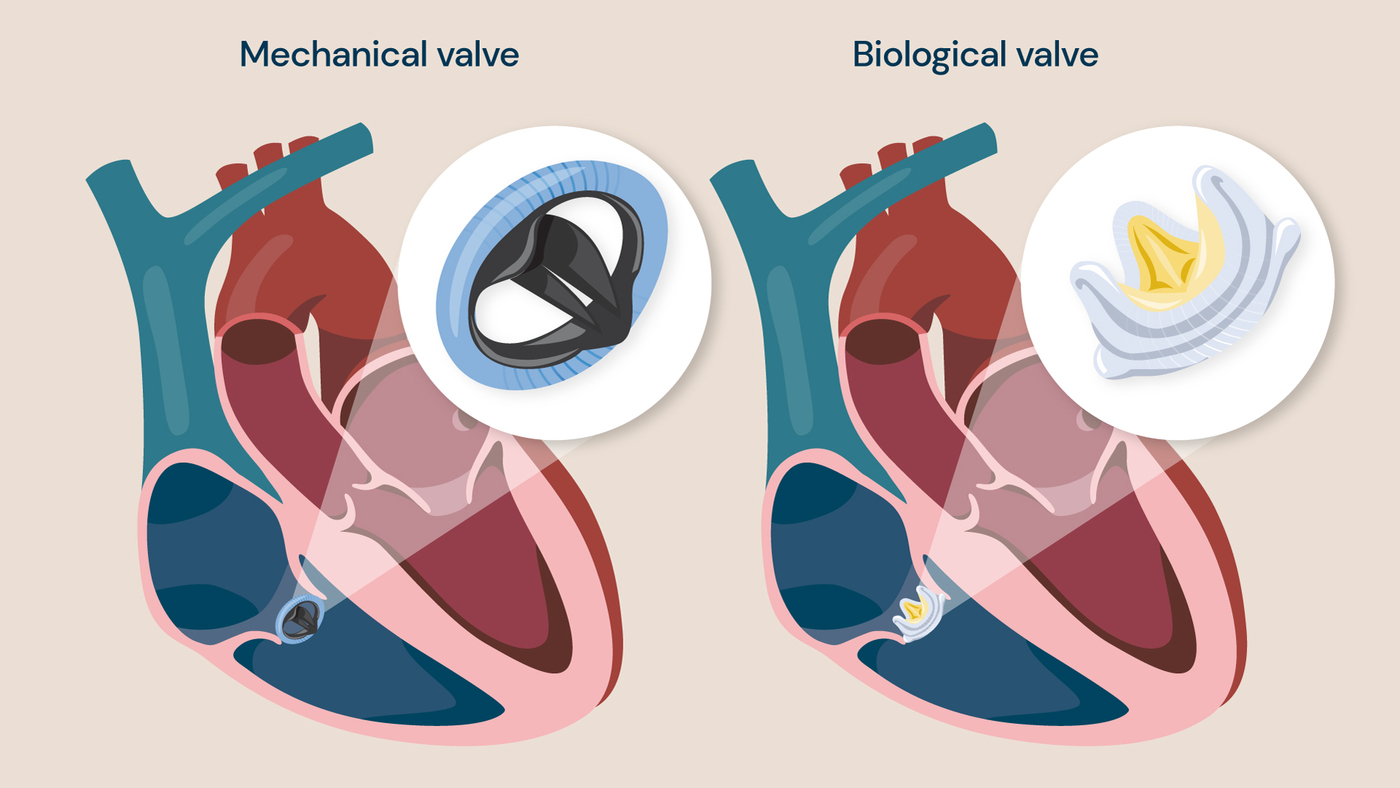
For decades, surgical tricuspid valve repair or replacement was the only option, but many patients were deemed too high-risk due to advanced age, comorbidities, or frailty. Transcatheter tricuspid valve replacement (TTVR) was developed to fill this gap. The procedure involves inserting a collapsible valve—often made of bioprosthetic tissue—through a catheter, typically via the femoral vein, and positioning it at the tricuspid annulus to restore forward blood flow.
While transcatheter aortic and mitral valve replacements have become standard care, TTVR remains in its early adoption phase. The complexity of the tricuspid valve’s anatomy and the lack of dedicated devices until recently have slowed progress. However, recent technological advancements—such as the TTVR systems approved for clinical use—are changing the landscape.
Real-World Outcomes: Symptom Relief and Functional Improvement
The March 2025 study, conducted across multiple European and North American centers, followed 217 patients with severe, symptomatic tricuspid regurgitation who underwent TTVR using a commercially available device. The results offer the most comprehensive real-world evidence to date:
- Tricuspid regurgitation elimination: In 68% of patients, the procedure achieved complete elimination of regurgitant flow (grade 0), with an additional 22% showing marked improvement (grade ≤1). This aligns with findings from earlier feasibility studies but confirms durability in a broader, less selected population.
- Symptom improvement: Patients reported significant reductions in dyspnea (shortness of breath) and peripheral edema (swelling), with 72% experiencing a ≥1-class improvement in New York Heart Association (NYHA) functional class at six months.
- End-organ function: Right ventricular size and pulmonary artery pressures improved in 58% of patients, suggesting reduced strain on the heart and lungs.
- Safety profile: Procedural success rates were high (92%), with a 30-day mortality rate of 4.6%—comparable to high-risk surgical cohorts but lower than historical data for medically managed tricuspid regurgitation.
These outcomes are particularly notable given that many patients in the study had multiple comorbidities, including atrial fibrillation (42%), chronic obstructive pulmonary disease (28%), and prior cardiac surgeries (35%). The study’s lead author, Dr. Markus Linke of the University Hospital of Leipzig, emphasized that “these results suggest TTVR may offer a viable alternative for patients who are not candidates for surgery.”
Who Benefits Most? Patient Selection and Caveats
While the data are promising, experts caution that TTVR is not a one-size-fits-all solution. Key considerations include:
- Anatomical suitability: The tricuspid valve’s complex geometry and larger annulus size compared to the aortic or mitral valves pose technical challenges. Devices must be precisely sized and positioned to avoid complications like paravalvular leaks or valve migration.
- Comorbidity burden: Patients with severe liver dysfunction, advanced pulmonary hypertension, or end-stage heart failure may not derive the same benefits and could face higher procedural risks.
- Long-term durability: The study followed patients for only six months. Bioprosthetic valves, while effective, may degrade over time—particularly in younger patients—requiring future reinterventions.
- Access to specialized centers: TTVR requires high-volume, experienced teams due to its technical demands. As of 2026, only a handful of centers in Europe and the U.S. Offer the procedure routinely.
Dr. Fischer notes, “The real-world data validate the procedure’s short-term efficacy, but we must remain vigilant about patient selection. Not all severe tricuspid regurgitation is created equal—some cases may still be better managed with medical therapy or transcatheter edge-to-edge repair (TEER).”
Comparing TTVR to Alternative Therapies
For patients with symptomatic tricuspid regurgitation, several treatment options exist, each with distinct advantages and limitations. Below is a comparative overview based on current evidence:
| Therapy | Mechanism | Procedural Risk | Durability | Patient Suitability |
|---|---|---|---|---|
| Medical Therapy | Diuretics, vasodilators, and heart failure medications to manage symptoms. | Low (no procedure) | Limited; symptoms often progress | Patients with mild-to-moderate regurgitation or high surgical risk |
| Transcatheter Edge-to-Edge Repair (TEER) | Clips placed to approximate valve leaflets, reducing regurgitant flow. | Moderate (5–10% major complications) | High for regurgitation reduction; long-term durability unclear | Primary or secondary TR with suitable leaflet morphology |
| Surgical Repair/Replacement | Open-heart surgery to reconstruct or replace the valve. | High (10–20% major complications) | Very high (decades for bioprosthetics) | Younger patients with operable risk |
| Transcatheter Tricuspid Valve Replacement (TTVR) | Catheter-delivered bioprosthetic valve implanted at the tricuspid position. | Moderate-high (4.6% 30-day mortality in study) | Moderate (bioprosthetic degeneration over 10–15 years) | Severe TR in high-risk surgical candidates |
Note: Data sourced from the 2025 TTVR cohort study and American College of Cardiology guidelines.
Global Adoption and Future Directions
As of mid-2026, TTVR remains primarily available in high-resource settings, with Europe leading adoption. The European Society of Cardiology (ESC) updated its guidelines in 2025 to classify TTVR as a reasonable option for high-risk patients with severe symptomatic tricuspid regurgitation, though it stops short of a Class I recommendation due to limited long-term data.
In the U.S., the Food and Drug Administration (FDA) granted premarket approval for a TTVR system in late 2024, marking a pivotal moment for U.S. Patients. However, reimbursement and insurance coverage remain hurdles, with many payers still evaluating the cost-effectiveness of the procedure.
Looking ahead, several developments could accelerate TTVR’s role in clinical practice:
- Device innovation: Next-generation TTVR systems with improved delivery systems and valve designs may expand applicability to more complex anatomies.
- Randomized trials: Ongoing studies, such as the TRISCEND II trial, aim to compare TTVR directly with medical therapy and TEER, providing higher-level evidence.
- Hybrid approaches: Combining TTVR with other transcatheter therapies (e.g., mitral repair) may become standard for patients with multivalvular disease.
- Training expansion: As procedural volumes grow, dedicated training programs for interventional cardiologists and surgeons will be critical.
Key Takeaways for Patients and Clinicians
- TTVR offers meaningful symptom relief and functional improvement for selected patients with severe tricuspid regurgitation who are not surgical candidates.
- Real-world data confirm procedural safety and efficacy, but long-term outcomes remain under study.
- Patient selection is critical—comorbidities, valve anatomy, and procedural experience must be carefully assessed.
- TTVR is not yet a first-line therapy; medical optimization and TEER remain important alternatives.
- Access varies globally, with Europe and the U.S. Leading adoption; reimbursement challenges persist.
- Patients should seek care at high-volume centers with experience in both TTVR and surgical valve repair.
What’s Next? Watch for These Developments
The next major milestones in TTVR include:
- Publication of randomized trial data (2026–2027): Results from TRISCEND II and other studies will clarify TTVR’s comparative effectiveness against medical therapy and TEER.
- FDA and EMA label expansions: Regulatory bodies may broaden indications based on real-world evidence, potentially including patients with secondary tricuspid regurgitation.
- Cost-effectiveness analyses: Payers will scrutinize long-term value, which may influence coverage decisions.
- Global registry data: The TRISCEND Global Registry will provide insights into outcomes across diverse patient populations.
For now, patients and clinicians are advised to stay informed through authoritative sources, including:
- The American College of Cardiology’s updates on valve therapies.
- The European Society of Cardiology guidelines.
- Clinical trial registries such as ClinicalTrials.gov for ongoing TTVR studies.
As Dr. Fischer concludes, “TTVR represents a paradigm shift for patients with severe tricuspid regurgitation, but it’s not a panacea. The field is evolving rapidly, and the next few years will be critical in defining its place in cardiology. For those who are candidates, it offers new hope—but careful discussion with a valve specialist is essential.”
Have you or a loved one considered TTVR? Share your experiences or questions in the comments below, and join the conversation on how this innovation is changing heart valve care.