
The Los Angeles City Council has officially designated August 1 as “Día del Bolero,” a legislative move coinciding with the 10th anniversary of the concert series Boleros de Noche. The resolution recognizes the cultural significance of the bolero genre in Los Angeles and honors the decade-long efforts of the event series to preserve Latin American romantic music for new generations, according to the official City of Los Angeles Council File 24-0002-S10.
Founded by musician Roberto Carlos, Boleros de Noche has served as a platform for both established and emerging artists to perform traditional boleros, a genre characterized by its slow, romantic tempo and poetic lyrics that originated in Cuba in the late 19th century. The City Council’s action formally acknowledges the series’ role in sustaining this musical tradition, which has deep roots in the city’s diverse cultural landscape, as noted in the City of Los Angeles municipal records.
The Evolution of Boleros de Noche in Los Angeles
What began as a localized effort to bring romantic bolero music to intimate venues has grown into a significant cultural institution in Southern California. Over the past decade, the series has moved from smaller settings to prominent stages, including the Ford Theatre and the Walt Disney Concert Hall. According to public event archives maintained by the Ford Theatre, the series has consistently prioritized the intergenerational transmission of bolero music, often pairing veteran performers with younger musicians to maintain the genre’s relevance.
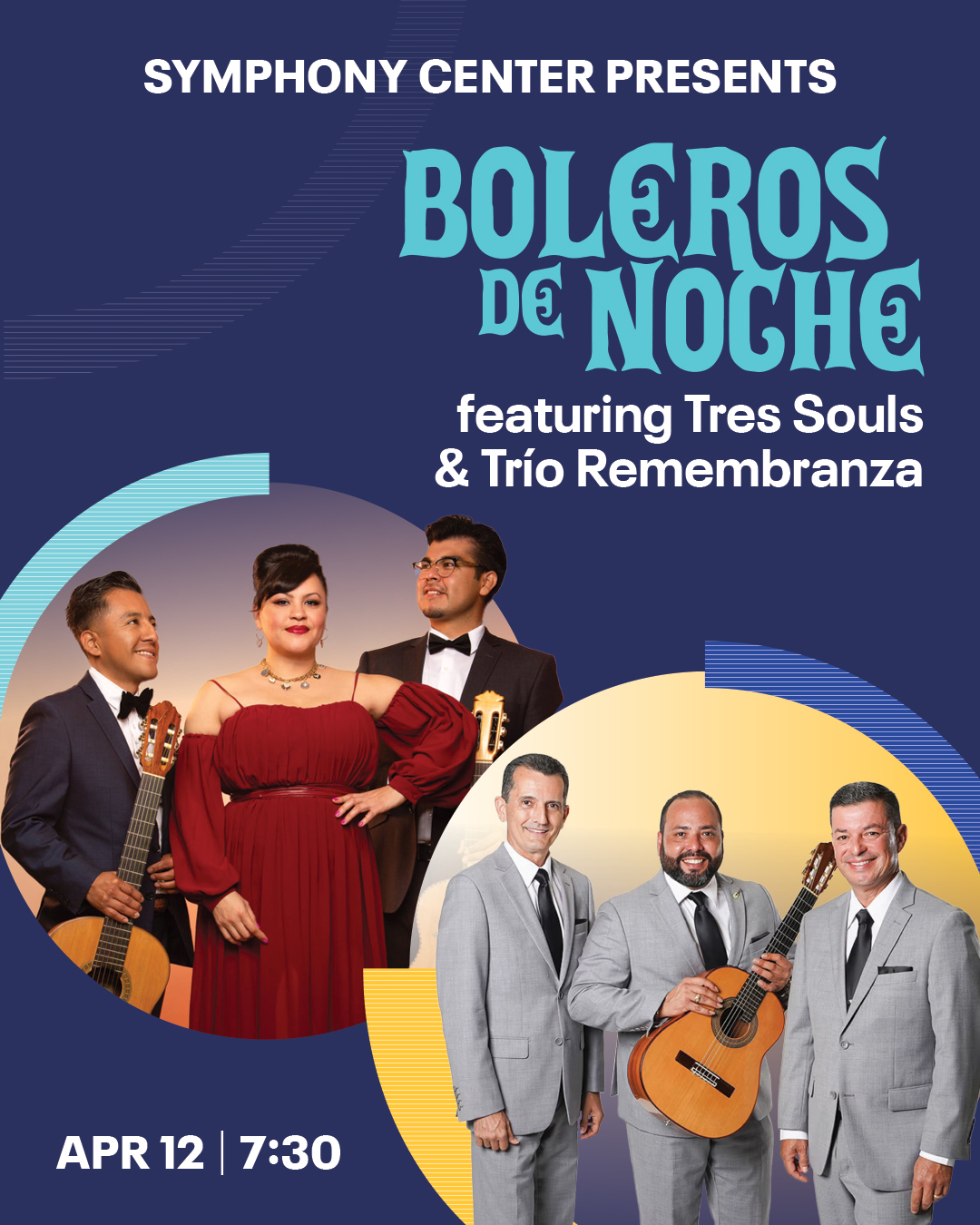
The declaration of “Día del Bolero” serves as a formal recognition of this growth. By establishing an official day, the city aims to institutionalize the celebration of the genre, encouraging annual programming that highlights the contributions of bolero composers and performers. This legislative recognition follows a broader trend of Los Angeles municipalities seeking to codify the preservation of cultural heritage through official observances, as documented by the Office of the City Clerk.
Cultural Significance and Community Impact
The bolero remains a cornerstone of Latin American musical identity, serving as a medium for expressions of love, loss, and nostalgia. For the Latino community in Los Angeles, the genre is often linked to family history and cultural memory. By providing a consistent stage for these performances, the Boleros de Noche series has functioned as a bridge between the immigrant experience and the contemporary cultural life of the city.
Cultural historians have long noted that the preservation of such genres requires active participation from local institutions. The City Council’s involvement represents a shift from passive appreciation to active support, ensuring that the legacy of artists like Agustín Lara and Armando Manzanero continues to resonate within the city’s public arts programming. The City of Los Angeles Department of Cultural Affairs has emphasized that such recognitions are vital for maintaining the city’s status as a hub for diverse artistic expression.
What Happens Next for the Genre
With the inaugural “Día del Bolero” now on the calendar, the focus shifts to the sustainability of the genre in a changing music industry. Organizers and city officials are expected to coordinate future events that align with the August 1 date, potentially including workshops, educational outreach, and public performances across the city’s various districts. Those interested in upcoming programming can track updates through the official City Council meeting agendas and the project’s public-facing communications.
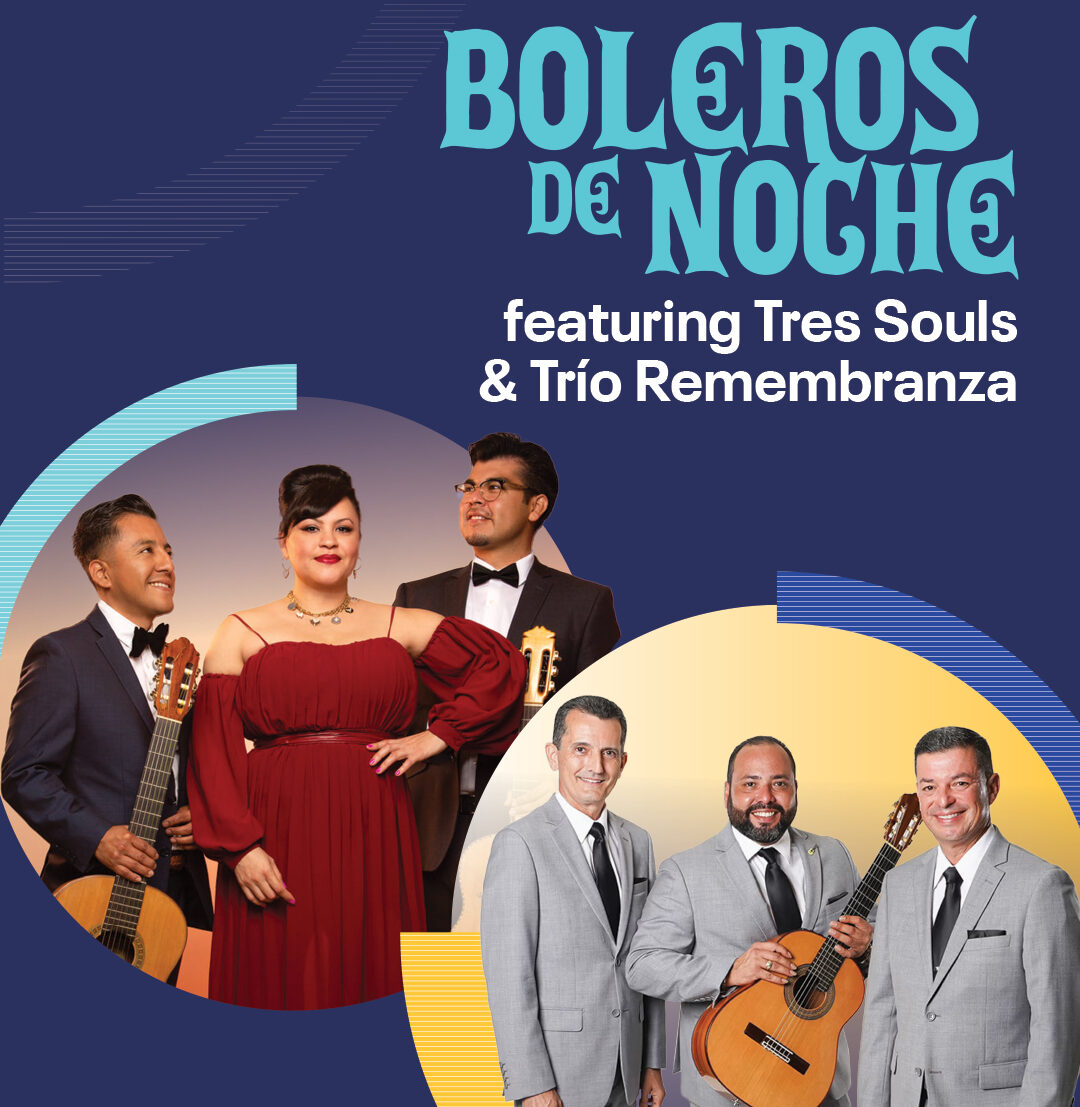
The 10th anniversary marks a transition point for Boleros de Noche, as the series looks toward expanding its footprint beyond Los Angeles. While no specific expansion plans have been finalized, the institutional support from the city provides a framework for potential partnerships with other cultural organizations. The next scheduled public update regarding city-supported cultural arts initiatives will be available through the Department of Cultural Affairs portal.
How do you see the role of traditional music genres like the bolero evolving in modern urban environments? Please share your thoughts and experiences in the comments section below.
- Veidenfests: Poetry, Music, and Art Festival Program and Lineup
- Inside the Hallyday Family’s Secret Paris Estate: David Hallyday and Sylvie Vartan’s Villa Montmorency
- Vitézy Dávid Declares M6 Highway Concession Contract Invalid (time.news)
- Stetson Bennett IV Greets Rams Fans After Los Angeles Training Camp (newsdirectory3.com)