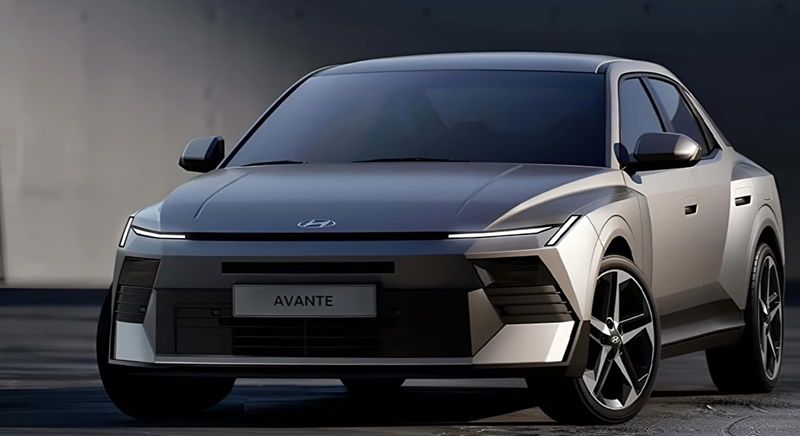
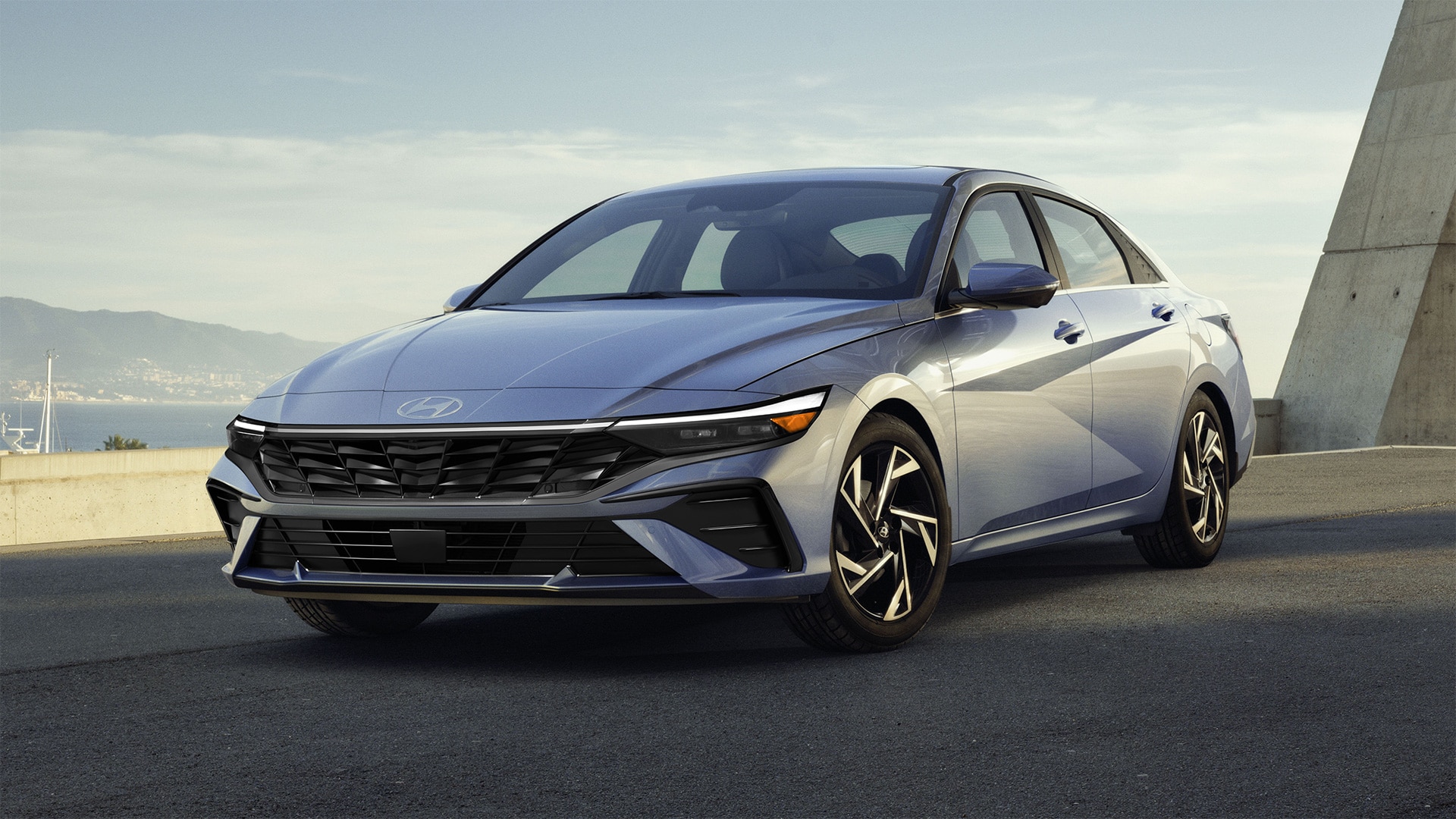
Hyundai has officially refreshed its compact sedan lineup with the latest iteration of the Elantra, known as the Avante in its home market of South Korea. The updated model, which features a significant exterior design overhaul, aligns with the manufacturer’s “Parametric Dynamics” design language, bringing a sharper, more aggressive aesthetic to the segment. According to official statements from Hyundai Motor Company, the redesign focuses on a “low and wide” stance, intended to provide a more planted, performance-oriented silhouette compared to its predecessor.
The vehicle, which has drawn comparisons in automotive media to high-end sports cars due to its angular body lines and intricate lighting signatures, aims to maintain its competitive edge in a segment increasingly dominated by SUVs. The 2024 model year design update includes a redesigned front fascia, featuring a thinner, more horizontal grille integrated into the headlamp assembly, and a revised rear bumper profile. These structural changes are part of a broader strategy by the South Korean automaker to differentiate its sedan offerings through bold styling cues that depart from traditional compact car aesthetics.
Design Evolution and Aesthetic Shifts
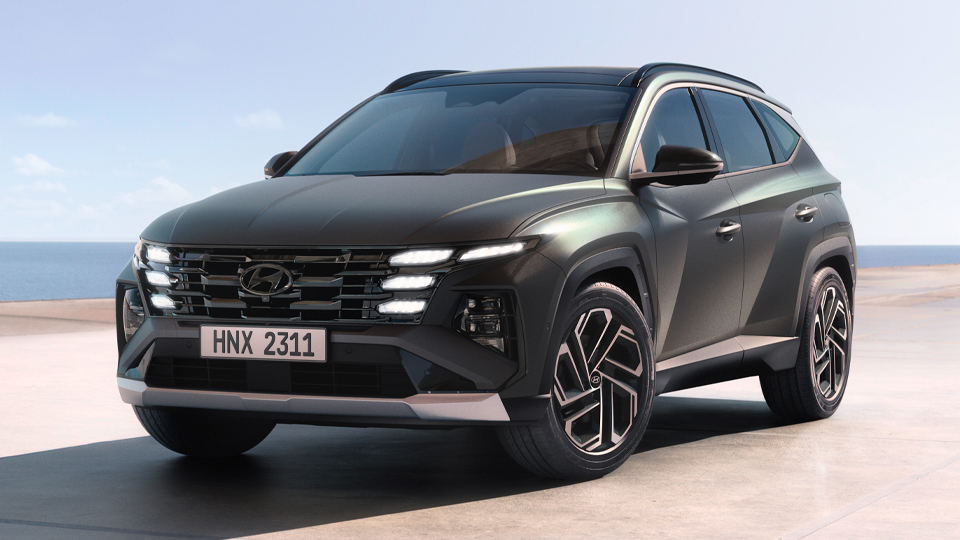
The visual departure in the new Elantra centers on its “shark-nose” front end, which creates a more aerodynamic profile. The vehicle’s side profile features geometric patterns known as “parametric jewels,” a design motif that has become a signature element across the brand’s newer models, including the Tucson and Ioniq 5, as detailed in Hyundai’s design philosophy documentation. By extending the metallic accents of the grille into the headlights, designers have created a continuous visual line that emphasizes the car’s width.
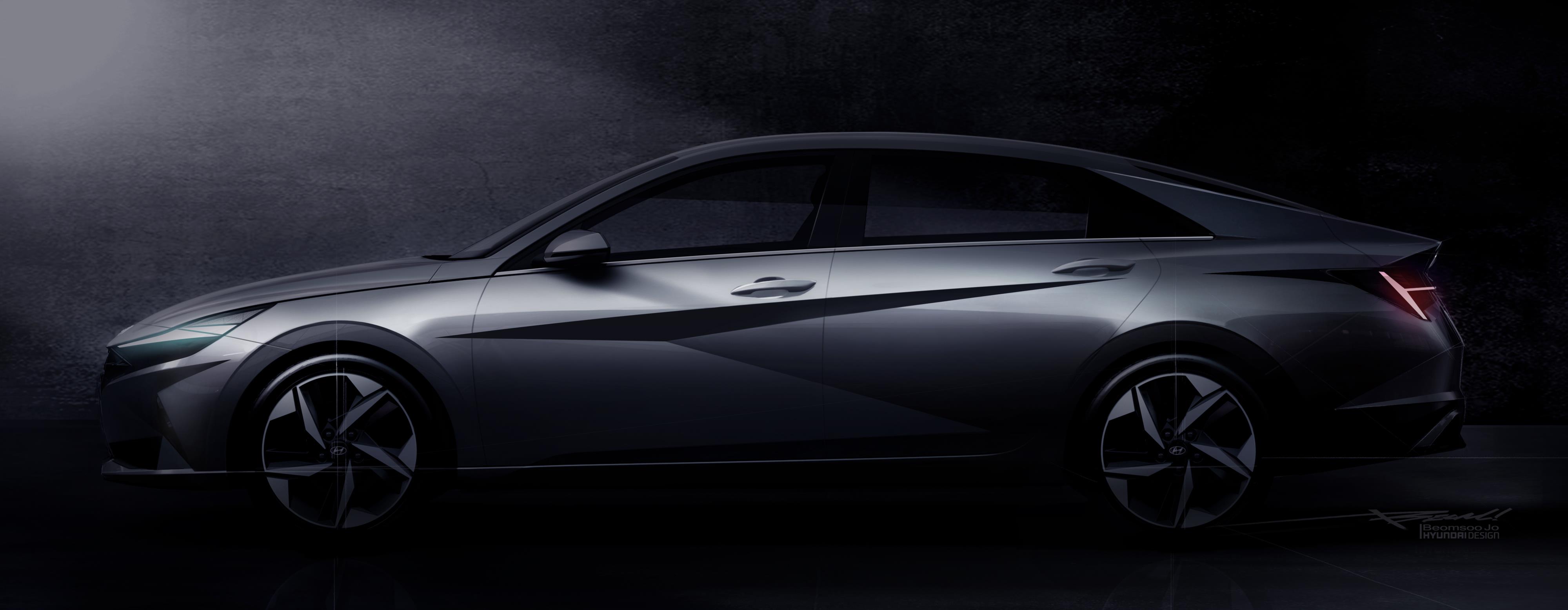
Beyond the front fascia, the rear of the vehicle has seen a notable transformation. The H-shaped taillight graphic, which spans the width of the trunk lid, serves both a functional and stylistic purpose, increasing visibility while reinforcing the “Parametric Dynamics” theme. These design choices are intended to appeal to a younger demographic that prioritizes distinctive styling in the compact sedan market. Unlike previous iterations that utilized more conventional flowing curves, this model uses sharp creases that intersect at various angles, a technique that requires precision manufacturing to maintain panel fitment standards.
Technical Specifications and Performance
While the visual updates are the most immediate change, the mechanical underpinnings of the Elantra remain largely consistent with the previous model year, focusing on reliability and fuel efficiency. The vehicle is built on Hyundai’s K3 platform, which is engineered to improve crash safety and handling dynamics through the use of high-strength steel. According to data provided by Car and Driver, the standard powertrain continues to be a 2.0-liter four-cylinder engine, with a hybrid variant available for markets prioritizing higher fuel economy figures.
The interior has also received minor refinements to keep pace with consumer expectations for connectivity. The dashboard is dominated by a dual-screen layout, integrating the instrument cluster and the infotainment system into a single glass panel. This shift toward a digital-first cockpit is supported by the latest version of Hyundai’s BlueLink connected car services, which allows for over-the-air (OTA) updates for vehicle software. By centralizing these controls, the manufacturer has reduced the number of physical buttons, creating a cleaner, more minimalist cabin environment.
Market Positioning and Segment Impact
The compact sedan segment remains a high-volume battleground for global manufacturers, and Hyundai’s aggressive design strategy represents a calculated risk. By moving away from “safe” styling, the company seeks to capture market share from competitors like the Toyota Corolla and Honda Civic, both of which have also leaned into more expressive design languages in recent years. Analysts note that the Elantra’s value proposition—often centered on a comprehensive warranty and a high list of standard features—remains its primary driver for sales.
For consumers in the North American and European markets, the availability of these specific design updates may vary based on regional manufacturing schedules and local emission regulations. Hyundai has confirmed that the updated aesthetic will be the global standard for the model, though specific trim levels and engine configurations will be tailored to meet the regulatory requirements of different countries. Potential buyers are encouraged to consult their local dealership or the official Hyundai configurator for the most accurate information regarding availability, pricing, and regional release dates.
As the automotive industry transitions toward electric mobility, the Elantra continues to serve as a bridge, utilizing efficient internal combustion and hybrid technology to meet current consumer demand. The next major update for the model is expected to align with the company’s broader electrification goals, as Hyundai works toward its commitment to phase out combustion-only engines in specific markets by 2035. For further updates on vehicle safety ratings and official recall information, owners should monitor the National Highway Traffic Safety Administration (NHTSA) database.
We welcome your thoughts on the new design direction for the Elantra. Has the shift toward “Parametric Dynamics” made the model more appealing, or do you prefer the more conservative styling of the past? Share your perspective in the comments section below and stay tuned for our upcoming deep-dive into the hybrid performance metrics of the new model year.
Worth a look