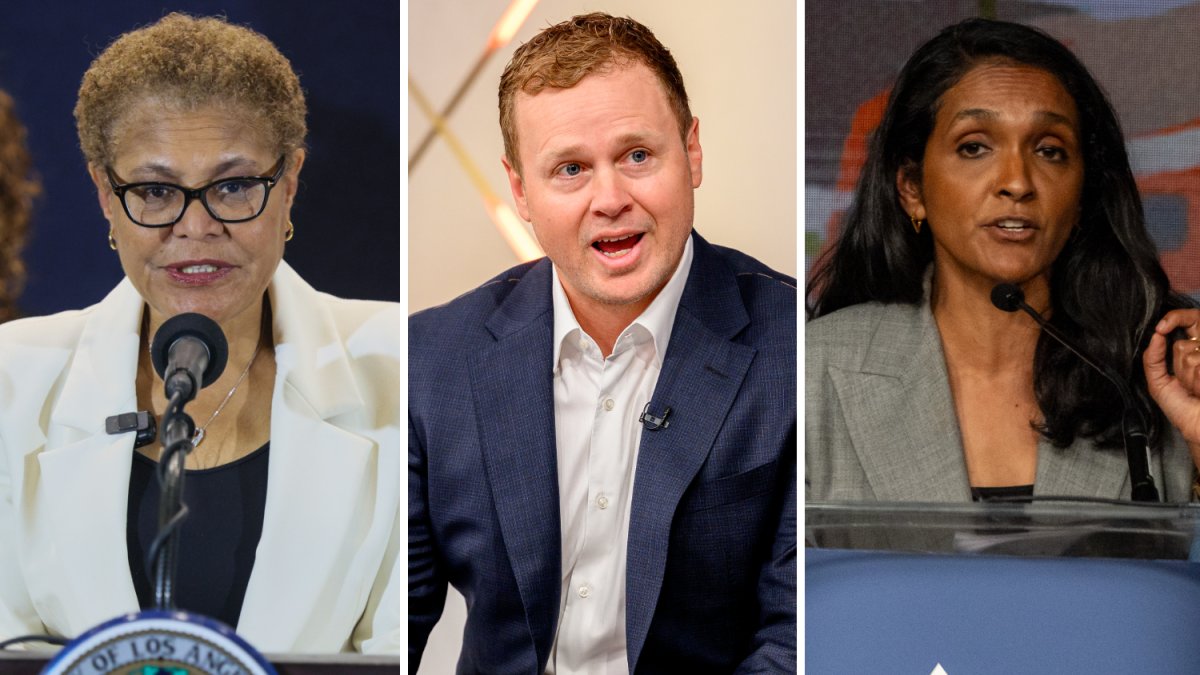
The political horizon in Los Angeles is beginning to shift, as the city prepares for the high-stakes maneuvering that inevitably precedes a major municipal election. While the 2026 mayoral cycle is still on the horizon, the groundwork for what promises to be a defining contest for the nation’s second-largest city is already being laid. For a metropolis grappling with profound socio-economic challenges, the upcoming Los Angeles mayoral race will not merely be a local affair; it will serve as a bellwether for urban governance, progressive versus moderate tensions, and the efficacy of large-scale social interventions in the United States.
At the center of this evolving landscape is incumbent Mayor Karen Bass, who continues to navigate a complex administration defined by urgent mandates. As the city moves toward its next election cycle, the political discourse is already coalescing around several key figures and ideological factions. From the established power structures within City Hall to the rising influence of progressive voices represented by figures such as City Councilmember Nithya Raman, the battle lines for the 2026 contest are being drawn in the context of homelessness, public safety, and the cost of living.
For the global community and political observers, the Los Angeles mayoral race offers a window into the future of American urbanism. The decisions made in the coming years regarding housing density, transit-oriented development, and the management of the unhoused population will set a precedent for cities worldwide. As the city looks toward its next chapter, the question is no longer just who will lead, but which vision of Los Angeles will prevail: one of radical systemic reform or one of incremental, managed stability.
The Incumbency of Karen Bass: Navigating the “Inside Safe” Era
Mayor Karen Bass assumed office in December 2022, inheriting a city at a critical inflection point. Her tenure has been largely defined by an aggressive, centralized approach to the Los Angeles homelessness crisis, most notably through the “Inside Safe” initiative. This program, which focuses on moving individuals from street encampments into motels and temporary housing, has become the centerpiece of her administration’s social policy. While the program has successfully transitioned thousands of Angelenos into safer environments, it remains a subject of intense scrutiny regarding its long-term sustainability and total cost to the municipal budget.
The administration’s ability to demonstrate measurable success in reducing the visible homeless population will be a primary factor in Bass’s bid for a second term. Critics often point to the high per-person cost of motel-based solutions and the difficulty of transitioning temporary residents into permanent, affordable housing. As the 2026 election approaches, the data regarding the efficacy of these interventions will become a central pillar of political debate. For voters, the metric of success will likely be the balance between immediate humanitarian relief and the long-term stabilization of the city’s housing market.
Beyond homelessness, the Bass administration is also tasked with managing a complex relationship with the Los Angeles Police Department (LAPD) and addressing public concerns over urban safety. The tension between calls for police reform and demands for increased enforcement in high-crime areas represents one of the most significant political fault lines in the city. How the Mayor balances these competing interests—maintaining public order while fostering community-led safety initiatives—will determine her standing among the diverse electorate of Los Angeles.
The Progressive Pulse: Nithya Raman and the Shift in LA Politics
While the incumbent holds the reins of power, the ideological landscape of Los Angeles is undergoing a significant transformation. The rise of the progressive wing of the City Council, epitomized by representatives like Nithya Raman, has introduced a new level of scrutiny to the traditional power dynamics of City Hall. Raman, who represents the 47th District, has become a prominent voice for systemic changes in housing, tenant protections, and social justice, reflecting a growing appetite for radical shifts in how the city manages its resources.
The influence of the progressive movement cannot be overstated. In recent years, Los Angeles has seen a gradual shift in voter priorities, with younger and more diverse demographics pushing for policies that prioritize equity and direct social investment over traditional law-and-order approaches. This movement is not merely about individual candidates; This proves about a fundamental rethinking of urban governance. As the 2026 mayoral race develops, the ability of any candidate to bridge the gap between these progressive ideals and the pragmatic requirements of managing a multi-billion dollar municipal budget will be a decisive factor.
The presence of strong progressive voices creates a unique dynamic for the incumbent. Mayor Bass must navigate a political environment where the “middle ground” is constantly shifting. To maintain her coalition, she must satisfy the base of the Democratic Party—which in Los Angeles leans heavily toward progressive social policies—while also appealing to the moderate and business-oriented sectors of the city that are concerned with economic stability and fiscal responsibility. This delicate balancing act will define the strategic calculations of all major players in the upcoming election.
Defining Issues: The Battlegrounds of 2026
The upcoming Los Angeles mayoral race will be fought on several critical fronts, each representing a deep-seated challenge for the city. These issues are not merely political talking points; they are the lived realities of millions of residents and will dictate the direction of the city’s economy and social fabric.
- The Homelessness and Housing Crisis: This remains the most pressing issue in Los Angeles. The intersection of skyrocketing rents, a lack of affordable housing stock, and a massive unhoused population creates a cycle of instability that affects every sector of the city. Candidates will be forced to present concrete, scalable solutions that move beyond emergency measures toward permanent housing infrastructure.
- Public Safety and Crime: Following national trends, Los Angeles is grappling with debates over the role of policing in urban environments. Issues such as retail theft, property crime, and violent crime in specific corridors will drive much of the discourse. The debate will likely center on the efficacy of the LAPD versus the potential for expanded community-based mental health and social service responses.
- Economic Vitality and the Cost of Living: As Los Angeles seeks to recover from the economic shifts of the early 2020s, the cost of living—specifically for the middle class—has become a political flashpoint. Issues such as small business support, the revitalization of downtown Los Angeles, and the management of the city’s massive budget will be central to the campaign narratives.
- Climate Resilience and Infrastructure: As a coastal metropolis, Los Angeles is increasingly vulnerable to the effects of climate change, including extreme heat and wildfire risks. The management of water resources, the expansion of public transit, and the modernization of the city’s power grid are becoming essential components of any serious mayoral platform.
These battlegrounds will likely determine the “flavor” of the 2026 election. A race dominated by crime and economic stagnation may favor moderate or conservative-leaning candidates, whereas a race focused on social equity and systemic reform may provide a platform for the progressive challengers.
The Mechanics of the Los Angeles Mayoral Election
Understanding the structure of the Los Angeles municipal election is essential for grasping the scale of the upcoming contest. The Mayor of Los Angeles is elected to a four-year term, and the election process is governed by specific city charters and California state laws. The 2026 cycle will follow the standard primary and general election format, where the top two vote-getters in the primary move on to the general election, regardless of party affiliation.
This “top-two” system often results in a general election that pits two candidates with distinct ideological profiles against one another, frequently forcing a consolidation of political support in the final weeks of the campaign. For potential candidates, the window for fundraising and name recognition begins much earlier than the official filing dates, with interest often peaking eighteen to twenty-four months before the primary.
| Key Election Milestone | Estimated Timeline | Significance |
|---|---|---|
| Candidate Filing Period | Late 2025 | Official entry of candidates into the race. |
| Primary Election | Spring 2026 | Determines the top two contenders for the mayoralty. |
| General Election | Fall 2026 | Final vote to select the next Mayor of Los Angeles. |
Frequently Asked Questions
What is the term length for the Mayor of Los Angeles?
The Mayor of Los Angeles serves a four-year term. Under current city rules, mayors are limited to two consecutive terms in office.
_edit1.jpg/300px-Los_Angeles_City_Hall_(color)_edit1.jpg "Los Angeles Mayoral Primary City Hall")
How does the “top-two” primary system work in Los Angeles?
In the primary election, all candidates appear on a single ballot. The two candidates who receive the highest number of votes advance to the general election, even if they belong to the same political party.
Who is currently in charge of the Los Angeles homelessness response?
The Los Angeles Mayor holds the primary responsibility for coordinating the city’s response to homelessness, working in conjunction with various city departments and non-profit organizations through initiatives like “Inside Safe.”
When will the next Los Angeles mayoral election take place?
The next mayoral election is scheduled for 2026, with the primary election typically held in the spring and the general election in the fall.
As the 2026 election cycle approaches, the political landscape of Los Angeles will continue to evolve. The next major checkpoint for observers will be the official filing of candidate statements and the release of formal platforms, which will provide the first clear look at the contenders’ ability to address the city’s most pressing crises. We will continue to monitor the developments within City Hall and the evolving policy debates that will shape the future of this global city.
What do you think is the most critical issue facing Los Angeles today? Share your thoughts in the comments below and share this article to join the conversation.