
As a physician and journalist, I have spent over a decade examining the intersection of medical innovation and public health. One of the most persistent challenges my patients face—and a topic that remains at the forefront of neurological research—is the critical role of sleep architecture in maintaining cognitive function. Recent investigations into sleep health suggest that even moderate disruptions to our rest cycles, particularly the reduction of REM (Rapid Eye Movement) sleep, can have profound implications for our daily mental performance and long-term brain health.
Understanding the link between REM sleep deprivation and cognitive performance requires us to look beyond simple hours of rest. While the total duration of sleep is often the focus of public health discourse, the quality and structure of those hours are equally vital. REM sleep, often associated with vivid dreaming and memory consolidation, is a sophisticated phase of our biological rhythm that directly influences how we process information, manage emotions, and maintain focus throughout the following day.
The Neuroscience of Restorative Sleep
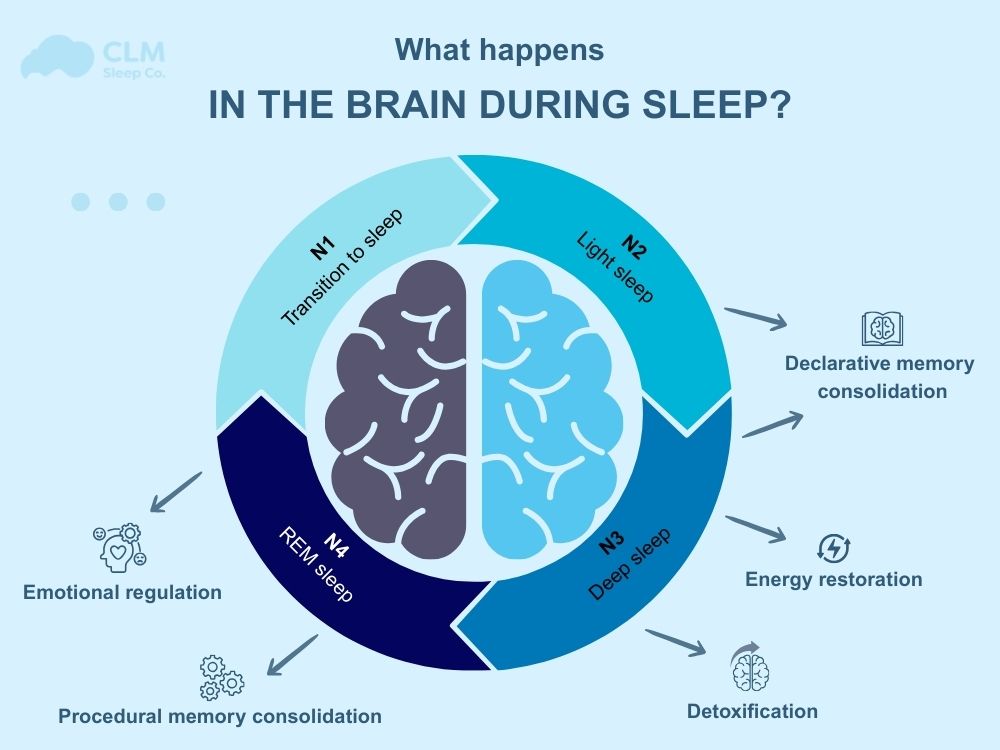
The human brain undergoes several distinct stages during a typical night’s rest, cycling through non-REM and REM phases. According to the National Heart, Lung, and Blood Institute, sleep deficiency is linked to a wide array of health issues, ranging from heart disease and kidney disease to high blood pressure, and diabetes. When we truncate our sleep, we are not merely losing time; we are interrupting the biological processes responsible for neuroplasticity—the brain’s ability to adapt and form new neural connections.
Recent studies in sleep medicine have increasingly turned to heart rate variability (HRV) as a non-invasive biomarker to assess the quality of these sleep cycles. HRV measures the variation in time between each heartbeat, providing insight into the autonomic nervous system’s balance. A healthy, well-rested individual typically exhibits higher HRV, which correlates with better stress resilience and cognitive recovery. Conversely, chronic sleep restriction often leads to a diminished HRV, acting as a warning sign for both physical and mental fatigue.
Quantifying the Impact of Sleep Loss
The relationship between sleep duration and cognitive output is not linear, but rather exponential. Research published by the Sleep Foundation highlights that the cognitive impairment resulting from even short-term sleep restriction can mimic the effects of alcohol intoxication, significantly slowing reaction times and impairing decision-making capabilities. While specific claims regarding precise percentage drops in performance must be interpreted within the context of individual variability and study design, the consensus among sleep experts is clear: the brain’s executive functions—such as planning, focus, and emotional regulation—are the first to suffer when sleep is compromised.

For many, the temptation to engage in “power napping” as a remedy for nocturnal sleep loss is strong. While a brief nap can provide a temporary boost in alertness, it is not a complete substitute for a full night of consolidated, high-quality sleep. The restorative benefits of a full sleep cycle, which includes the necessary proportions of REM and deep sleep, are essential for the long-term maintenance of the prefrontal cortex.
Practical Steps for Better Sleep Hygiene
Improving one’s sleep architecture is a journey that begins with consistent habits. For those struggling with cognitive “fog” or decreased productivity, I often recommend a few fundamental shifts in sleep hygiene:
- Consistency is Key: Maintain a regular sleep schedule, even on weekends, to regulate your body’s internal clock.
- Environment Optimization: Ensure your bedroom is cool, dark, and quiet to facilitate uninterrupted sleep cycles.
- Digital Sunset: Limit exposure to blue-light-emitting screens at least one hour before bed, as this can suppress melatonin production.
- Monitor Stress: Techniques such as mindfulness or progressive muscle relaxation can help lower resting heart rate, potentially improving your overnight HRV.
If you find that despite these changes, you continue to experience significant daytime sleepiness or cognitive impairment, it is essential to consult with a healthcare professional. You can find resources and guidance on evaluating sleep health through the Centers for Disease Control and Prevention (CDC), which offers comprehensive information on the risks of sleep deficiency and how to seek clinical assistance for potential sleep disorders.
Looking Ahead: The Future of Sleep Research
The field of sleep science is evolving rapidly. As we move toward more personalized medicine, the integration of wearable technology to monitor HRV and sleep stages is providing clinicians with unprecedented amounts of data. This allows for more tailored interventions, moving us away from a “one-size-fits-all” approach to sleep health. The goal is not just to sleep longer, but to sleep smarter, ensuring that our brains have the necessary time to recover and thrive in an increasingly demanding world.
For those interested in the latest advancements, the Sleep Research Society serves as a primary hub for peer-reviewed studies and clinical updates. As we continue to uncover the complexities of the sleeping brain, the most important takeaway remains consistent: your sleep is a non-negotiable pillar of your overall health. Prioritizing it today is the best investment you can make for your mental acuity tomorrow.
Have you noticed a change in your cognitive performance when your sleep patterns are disrupted? I invite you to share your experiences and questions in the comments section below. Your insights help us foster a more informed community dedicated to better health.
Related reading