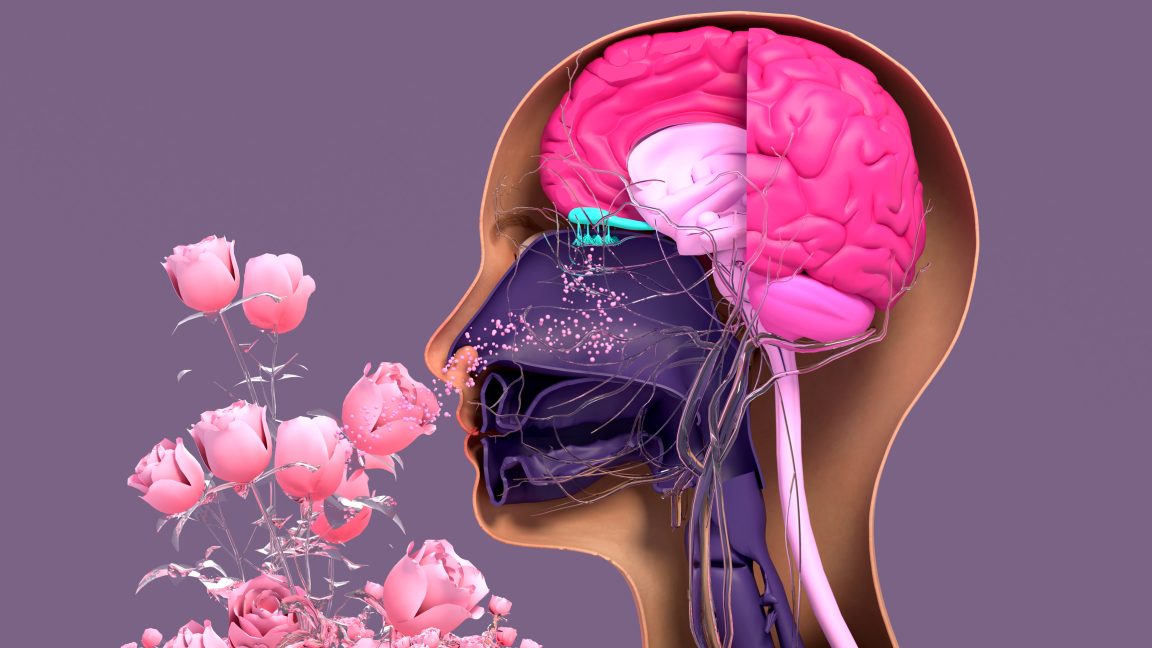
Anosmia, the total loss of the sense of smell, affects a significant portion of the global population, yet it remains a frequently overlooked medical condition. Researchers estimate that up to 22 percent of the population lives with smell impairments, like hyposmia (partial smell loss) or anosmia (complete smell loss). For many, this loss is not merely a physical limitation but a profound disruption to quality of life, impacting nutrition, safety, and emotional well-being.
The spectrum of olfactory dysfunction is broad, ranging from hyposmia—a reduced ability to detect odors—to complete anosmia. Beyond these deficiencies, patients often experience qualitative disorders. Phantosmia involves the perception of phantom smells, while parosmia distorts familiar scents. In cases of parosmia, typically pleasant scents like coffee or shampoo begin to register as highly unpleasant (think feces or vomit).
Medical professionals categorize these conditions based on their onset and duration. Despite the prevalence of these disorders, they are poorly understood, underdiagnosed and often minimized by clinicians. Patients frequently report that their symptoms are dismissed by primary care providers, leading to a diagnostic gap where individuals struggle for years without receiving a formal evaluation or therapeutic guidance.
The Psychological Impact of Olfactory Loss
The loss of smell often carries a heavy psychological toll. The sudden absence of scent can lead to feelings of detachment and isolation. Individuals living with long-term anosmia frequently describe a diminished connection to their environment and a loss of personal identity, as sensory input that previously anchored their daily experiences is no longer accessible.
This emotional strain is compounded by the lack of standardized treatment pathways.
Navigating the Diagnostic Process
For those experiencing a loss of smell, the recommended first step is a consultation with a doctor, such as an ear, nose and throat specialist. Identifying the cause is critical to determining whether the condition is reversible or requires long-term management strategies. As research continues to evolve, the medical community is placing greater emphasis on acknowledging the legitimacy of olfactory disorders, moving away from the historical practice of telling patients they must simply learn to live with the condition.
Future Directions in Olfactory Research
Researchers are currently investigating the role of inflammation in the olfactory epithelium and its impact on nerve regeneration. While no universal cure currently exists for all forms of anosmia, clinical trials are ongoing to explore the efficacy of various corticosteroids and regenerative medicine approaches. Patients are encouraged to track their symptoms and consult with specialists who participate in clinical registries, which provide data for ongoing research into how sensory pathways recover over time.
For those currently navigating the challenges of smell loss, staying informed through verified medical institutions remains the most effective way to manage expectations and discover emerging support options. As more data becomes available, the medical community aims to bridge the gap between patient experience and clinical intervention, ensuring that those with smell impairments receive the diagnostic attention they require.
If you or someone you know is experiencing persistent changes in the sense of smell, consult with a specialist to discuss potential underlying causes and available management strategies. We invite readers to share their experiences or questions in the comments section below.