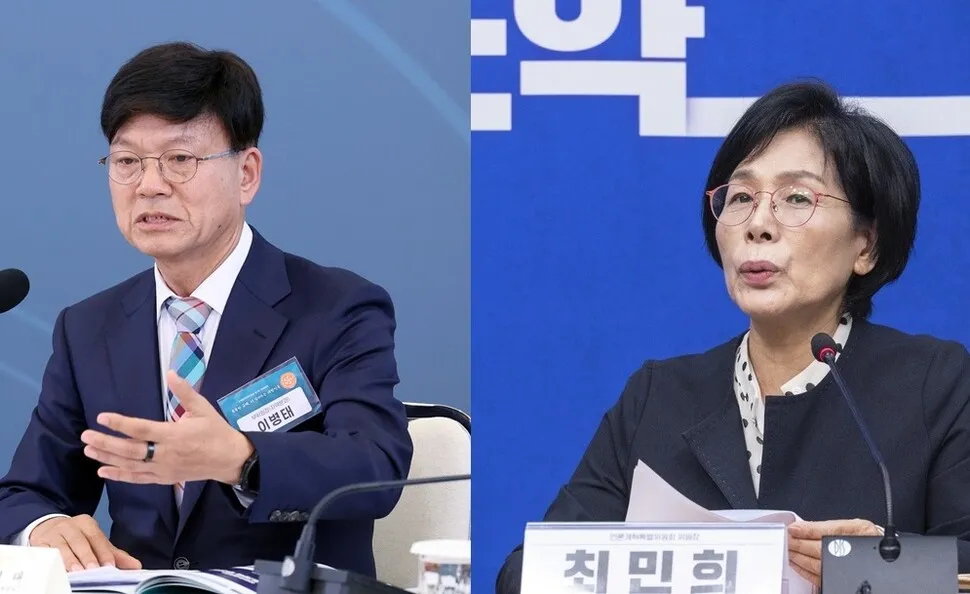
The South Korean political sphere is currently engaged in a heated debate regarding the limits of free speech and the historical significance of the May 18 Gwangju Democratization Movement. Recent public remarks made by Lee Byung-tae, a professor at KAIST, have drawn sharp condemnation from political figures and public officials, who characterize his comments as a disparagement of the 1980 pro-democracy uprising.
The controversy centers on Lee’s assertion that his comments regarding the May 18 movement fall under the protection of freedom of expression. In response, Choi Min-hee, a senior political figure, publicly criticized these remarks, labeling them a “defamation of the May 18 movement” and an “insult to the people.” The escalation of this rhetoric has prompted involvement from the presidential office, which issued a formal warning regarding the nature of the discourse.
The Controversy Over Historical Discourse
The dispute gained momentum following public statements made by Lee Byung-tae, which appeared to challenge the established historical consensus surrounding the Gwangju uprising. Critics, including Choi Min-hee, argue that questioning the validity of the movement or the suffering of its participants crosses the line from academic inquiry into malicious disparagement. According to reports from major South Korean news outlets, the debate has moved beyond private academic circles and into the national political arena, where the May 18 movement is widely recognized as a foundational pillar of South Korea’s modern democracy.
The intensity of the criticism has been amplified by the involvement of cultural figures and other political representatives. For instance, writer Heo Ji-woong publicly suggested that the focus of legal or administrative scrutiny should be directed toward individuals who actively disparage the movement, such as Lee Byung-tae, Na Kyung-won, and Kim Min-jeon, rather than on local incidents involving students or school-related slogans. This perspective highlights a growing divide in how the nation manages the balance between protecting free speech and maintaining respect for historical tragedies.
Presidential Office Response
The presidential office intervened in the matter, issuing a public warning to Lee Byung-tae. Officials characterized his recent rhetoric as “inappropriate conduct” and stated that such views are fundamentally at odds with the current government’s stance on historical issues. The presidential office emphasized that while freedom of expression is a protected right, it does not provide a mandate for the disparagement of established democratic movements that are central to the national identity.
This intervention serves as an indicator of the political sensitivity surrounding the May 18 Gwangju Democratization Movement. By labeling the professor’s actions as “inappropriate,” the administration seeks to distance itself from rhetoric that could be interpreted as undermining the official recognition of the 1980 events. This move aligns with broader efforts to maintain a consistent government narrative, particularly regarding sensitive historical events that continue to shape public policy and social cohesion in South Korea.
Broader Implications for Public Discourse
The current impasse reflects a larger, ongoing challenge regarding the “gamification of hate” or the polarization of public discourse in digital and academic spaces. Observers have noted that when historical movements are turned into subjects of debate for the sake of political provocation, the resulting friction often leads to calls for increased regulation or stricter enforcement of existing laws regarding defamation.
Internationally, the management of historical memory and speech laws varies, but the South Korean context remains unique due to the relative recency of its transition to democracy. For many, the May 18 movement is not merely a historical event but a protected narrative that defines the legitimacy of the current political order. Consequently, those who challenge this narrative—like Lee Byung-tae—often find themselves at the center of intense public backlash, as the debate touches upon the core values of the society.

As of this writing, there have been no further official legal filings or scheduled hearings regarding the specific calls for “punishment” mentioned by critics. The situation remains in a state of heightened political tension, with stakeholders continuing to monitor whether the government will take further administrative steps against those who continue to challenge the status of the May 18 movement. Readers interested in the official government stance on historical preservation are encouraged to monitor updates from the Ministry of Patriots and Veterans Affairs, which frequently issues statements regarding the commemoration of the Gwangju movement.