Sudden Voice Loss and the Journey to Recovery: A Mother’s Story
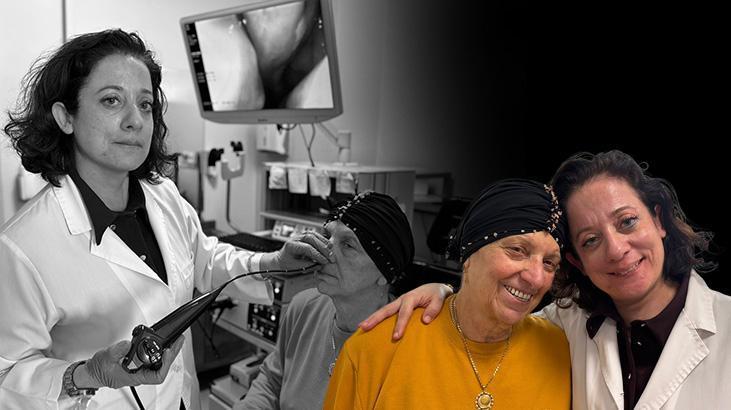
The experience of losing one’s voice unexpectedly can be deeply unsettling. For Asiye Sonbay, a resident of Hopa, Turkey, this became a reality one night, leading to a concerning medical journey. Waking up without the ability to speak, and experiencing the sensation of food entering her lungs, prompted a trip to Antalya to seek the expertise of her daughter, a specialist in ear, nose, and throat medicine. This case highlights the complexities of vocal cord paralysis and the innovative treatments available to restore both voice and the ability to safely swallow. The story underscores the vital role of specialized medical care and the powerful bond between a mother and her physician daughter.
Vocal cord paralysis, a condition affecting the nerves controlling the larynx, can manifest in various ways, from a subtle breathiness to complete loss of voice. A significant, and often frightening, symptom is dysphagia – difficulty swallowing – which can lead to aspiration, where food or liquids enter the airway and lungs. What we have is precisely what Asiye Sonbay experienced, prompting immediate concern and the demand for specialized intervention. The condition can arise from a number of causes, including surgery, neurological conditions, or, as in some cases, without any identifiable cause, known as idiopathic vocal cord paralysis. The impact on quality of life can be substantial, affecting communication, nutrition, and overall well-being.
The case of Asiye Sonbay, as reported by Turkish media, illustrates the challenges and potential solutions for individuals facing this condition. After experiencing the sudden loss of her voice and the alarming sensation of food entering her lungs, she waited ten days before seeking medical attention from her daughter, Dr. Nevreste Didem Sonbay Yılmaz, an otorhinolaryngologist (ENT) at Antalya Education and Research Hospital. During this period, Asiye Sonbay was unable to eat properly, resulting in a significant weight loss of 15 kilograms (approximately 33 pounds). This underscores the urgency of diagnosis and treatment in cases of suspected vocal cord paralysis and associated swallowing difficulties.
Understanding Vocal Cord Paralysis and its Causes
Vocal cord paralysis occurs when the nerve supply to the larynx is disrupted. The vagus nerve, which controls the muscles of the larynx, can be damaged during surgery – particularly thyroid or neck surgery – or by tumors, viral infections, or neurological conditions like stroke. However, as Dr. Yılmaz explained, in some instances, the cause remains unknown, categorized as idiopathic vocal cord paralysis. The Mayo Clinic provides a comprehensive overview of vocal cord paralysis, detailing its causes, symptoms, and treatment options.
The primary concern with vocal cord paralysis isn’t just the voice change, but the potential for aspiration. The vocal cords play a crucial role in protecting the airway during swallowing. When paralyzed, they may not close properly, allowing food or liquids to enter the trachea and lungs. This can lead to pneumonia and other respiratory complications. Dr. Yılmaz emphasized that addressing the swallowing difficulties is often the priority, even before focusing on voice restoration. The inability to swallow safely can quickly lead to malnutrition and a significant decline in overall health, as seen in Asiye Sonbay’s case.
The Diagnostic Process and Treatment Options
Diagnosing vocal cord paralysis typically involves a thorough medical history, physical examination, and laryngeal examination, often using a laryngoscopy – a procedure where a thin, flexible tube with a camera is inserted into the throat to visualize the vocal cords. Imaging studies, such as MRI or CT scans, may be used to identify any underlying causes, such as tumors or nerve compression. Treatment options vary depending on the cause and severity of the paralysis.
In some cases, if the underlying cause is treatable – such as a tumor – addressing that issue may resolve the paralysis. Other options include voice therapy, where a speech-language pathologist teaches techniques to improve vocal cord function and compensate for the paralysis. However, when swallowing is severely compromised, as in Asiye Sonbay’s case, more direct intervention may be necessary. Dr. Yılmaz opted for a minimally invasive procedure involving the injection of a bulking agent into the vocal cord to improve its closure during swallowing.
A Daughter’s Expertise: The Treatment in Antalya
Dr. Nevreste Didem Sonbay Yılmaz, an associate professor specializing in ear, nose, and throat medicine at Antalya Education and Research Hospital, performed the procedure on her mother. She described the experience as emotionally challenging, acknowledging the anxiety of operating on a loved one. However, she emphasized the critical need for intervention given her mother’s deteriorating condition. “It was demanding. My hands were shaking a lot, but there was a situation where my mother was in a bad state. She couldn’t eat because food was going into her lungs. She had lost a lot of weight. The need for this procedure was significant,” Dr. Yılmaz stated.
The procedure involved injecting a bulking agent into Asiye Sonbay’s vocal cord, aiming to restore its volume and improve its ability to close during swallowing. This technique, known as vocal cord injection, is a common approach for treating vocal cord paralysis and improving swallowing function. The injected material helps to create a more dynamic vocal cord, allowing it to move more effectively and prevent aspiration. Dr. Yılmaz explained that the injection material is placed behind the vocal cord, effectively “filling” the space and bringing the cord closer to the midline, facilitating better closure.
Following the procedure, Asiye Sonbay experienced a significant improvement in both her voice and her ability to swallow. She regained her voice, describing it as “stunning” and expressing relief at being able to communicate effectively again. She also reported being able to eat without difficulty, regaining weight and energy. “Now my voice is good. I can talk comfortably. Before, sounds were escaping, as if I couldn’t complete them. Now I’m very good. I’m comfortable,” she shared. In a lighthearted moment, she even joked about being able to “say the telegraph wires,” a Turkish idiom signifying clear and articulate speech.
Dr. Yılmaz emphasized that the treatment is not a permanent cure, but rather a temporary solution that typically requires repeat injections every six months to maintain the benefits. “The body needs time to adapt during those six months. In my mother’s case, there is still vocal cord paralysis, but the swallowing difficulty and aspiration have resolved, so we are simply monitoring her,” she explained. In some cases, if the injections are not sufficient, surgical intervention may be considered to provide a more permanent solution.
Potential Risks and Long-Term Management
Even as vocal cord injection is generally considered a safe procedure, potential risks include temporary voice changes, discomfort, and, rarely, breathing difficulties. Dr. Yılmaz noted that in some cases, the injected material can be reabsorbed by the body, leading to a temporary loss of volume and a return of symptoms. She also cautioned that, in rare instances, the injection can cause a temporary inflammatory response that affects breathing.
Long-term management of vocal cord paralysis often involves ongoing monitoring and repeat injections as needed. Patients are also advised to practice good swallowing techniques and to avoid foods that may increase the risk of aspiration. Voice therapy can also be helpful in maintaining vocal function and preventing further complications. The success of treatment depends on various factors, including the cause and severity of the paralysis, the patient’s overall health, and adherence to the recommended treatment plan.
This case serves as a powerful reminder of the importance of seeking prompt medical attention for sudden changes in voice or swallowing difficulties. Early diagnosis and appropriate treatment can significantly improve outcomes and prevent serious complications. The story also highlights the dedication and expertise of medical professionals, and the profound impact they can have on the lives of their patients – even when those patients are also family members.
Asiye Sonbay continues to be monitored by her daughter, Dr. Yılmaz, with follow-up appointments scheduled to assess the long-term effects of the treatment. The ongoing care and monitoring will be crucial in ensuring her continued well-being and maintaining her improved quality of life. Further research into the causes and treatments of idiopathic vocal cord paralysis is ongoing, with the hope of developing more effective and long-lasting solutions for individuals affected by this condition.
Key Takeaways:
- Vocal cord paralysis can cause voice changes and, critically, difficulty swallowing, leading to aspiration.
- Early diagnosis and treatment are essential to prevent complications like pneumonia and malnutrition.
- Vocal cord injection is a minimally invasive procedure that can improve swallowing function by restoring vocal cord closure.
- Long-term management often involves repeat injections and ongoing monitoring.
- The case highlights the importance of specialized medical care and the strong bond between a doctor and patient, especially when they are family.
If you are experiencing sudden voice changes or difficulty swallowing, it is crucial to consult with a healthcare professional for proper diagnosis and treatment. Share this article with anyone who may benefit from this information.
Worth a look