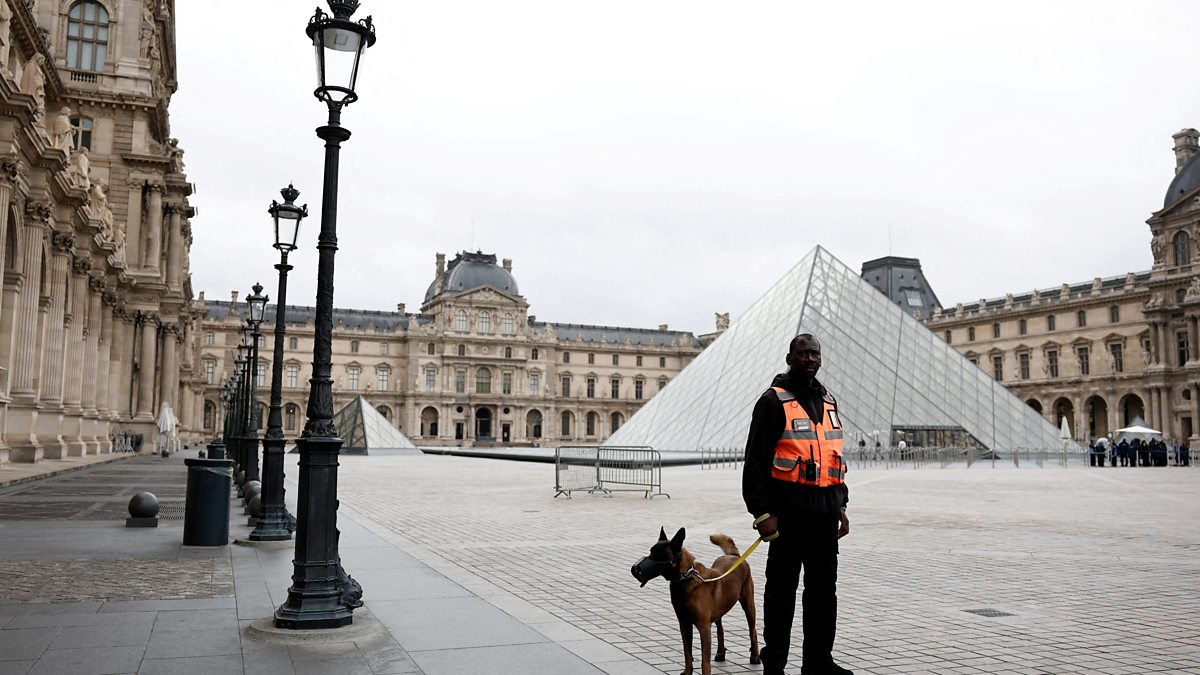
The Daring louvre Heist: Inside the Theft of France’s Crown jewels
The world was stunned this week as news broke of a brazen daylight robbery at the Louvre museum in Paris. Thieves made off with eight irreplaceable pieces of jewelry, collectively known as France’s crown jewels, prompting a two-day closure of the world’s most visited museum. But what motivated this audacious crime, and what fate awaits these priceless artifacts?
This wasn’t a shadowy, after-hours operation. Instead, the thieves boldly employed power tools in broad daylight, escaping on scooters with their extraordinary haul. The sheer audacity of the theft has left authorities and art experts reeling, raising critical questions about museum security and the future of cultural heritage.
what Was Stolen?
The stolen items represent centuries of French history and royal power. While a complete inventory remains sensitive, reports confirm the theft included:
* Diamond-encrusted tiaras from the 19th century.
* Historically significant necklaces worn by French queens.
* Brooches and other ornate jewelry pieces symbolizing royal authority.
* Items representing pivotal moments in French history.
These aren’t merely valuable objects; they are tangible links to the past, embodying the nation’s identity and artistic legacy. Their loss is a profound blow to France and the global art community.
The Challenges of Selling Stolen Crown jewels
So, what can thieves realistically do with stolen crown jewels? Unlike easily fenced commodities, these items are virtually impossible to sell on the open market. Here’s why:
* Global Art Databases: Every major piece is meticulously cataloged in international art loss registers, instantly flagging them as stolen.
* Reputational Risk: Any dealer or collector knowingly handling these items faces severe legal consequences and irreparable damage to their reputation.
* Lack of Anonymity: The sheer notoriety of the theft makes any attempt at discreet sale incredibly risky.
* Melting for the Gems is Tough: While theoretically possible, dismantling these pieces would destroy their historical and artistic value, significantly diminishing their worth.
Consequently,experts believe the thieves likely have a limited number of options,none of which are straightforward. These include holding the jewels for ransom, attempting to trade them for other illicit goods, or, tragically, dismantling them for their component gemstones.
The Rise in Art Crime: A Global Trend
This incident isn’t isolated. Art crime is on the rise globally, fueled by several factors.
* Economic Instability: Periods of economic hardship ofen see a surge in theft as individuals turn to illicit activities.
* Organized Crime Networks: Complex criminal organizations are increasingly targeting cultural heritage for profit.
* Online Marketplaces: The internet provides a platform for the anonymous sale of stolen artifacts, though risks remain high.
* Underfunded Security: Many museums and cultural institutions lack the resources to adequately protect their collections.
Professor Erin Thompson, an expert in art crime at The City University of New York, notes that the Louvre heist highlights a growing vulnerability in even the most secure institutions. “This wasn’t a smash-and-grab,” she explains. “This was a calculated operation, demonstrating a level of planning and execution that is deeply concerning.”
What Does This Mean for Museum Security?
The Louvre theft is a wake-up call for museums worldwide. It demands a critical reassessment of security protocols and investment in advanced protective measures.
* Enhanced Surveillance: Implementing more sophisticated camera systems, including AI-powered analytics, can detect and deter potential threats.
* Improved Access Control: Strengthening physical barriers and implementing stricter access control procedures are essential.
* Staff Training: Equipping security personnel with the latest training in threat detection and response is crucial.
* Collaboration with Law Enforcement: Fostering closer collaboration between museums and law enforcement agencies can improve intelligence sharing and response times.
Ultimately, protecting cultural heritage requires a multi-faceted approach that combines technological innovation, robust security protocols, and international cooperation.
Looking Ahead: The Search for the Jewels
The examination is ongoing, with French authorities working tirelessly
Worth a look