
A New Hope for Heart Health: Blocking PCSK9 with Innovative Polypurine Hairpins Offers a Potential Statin-Free Path to lower Cholesterol
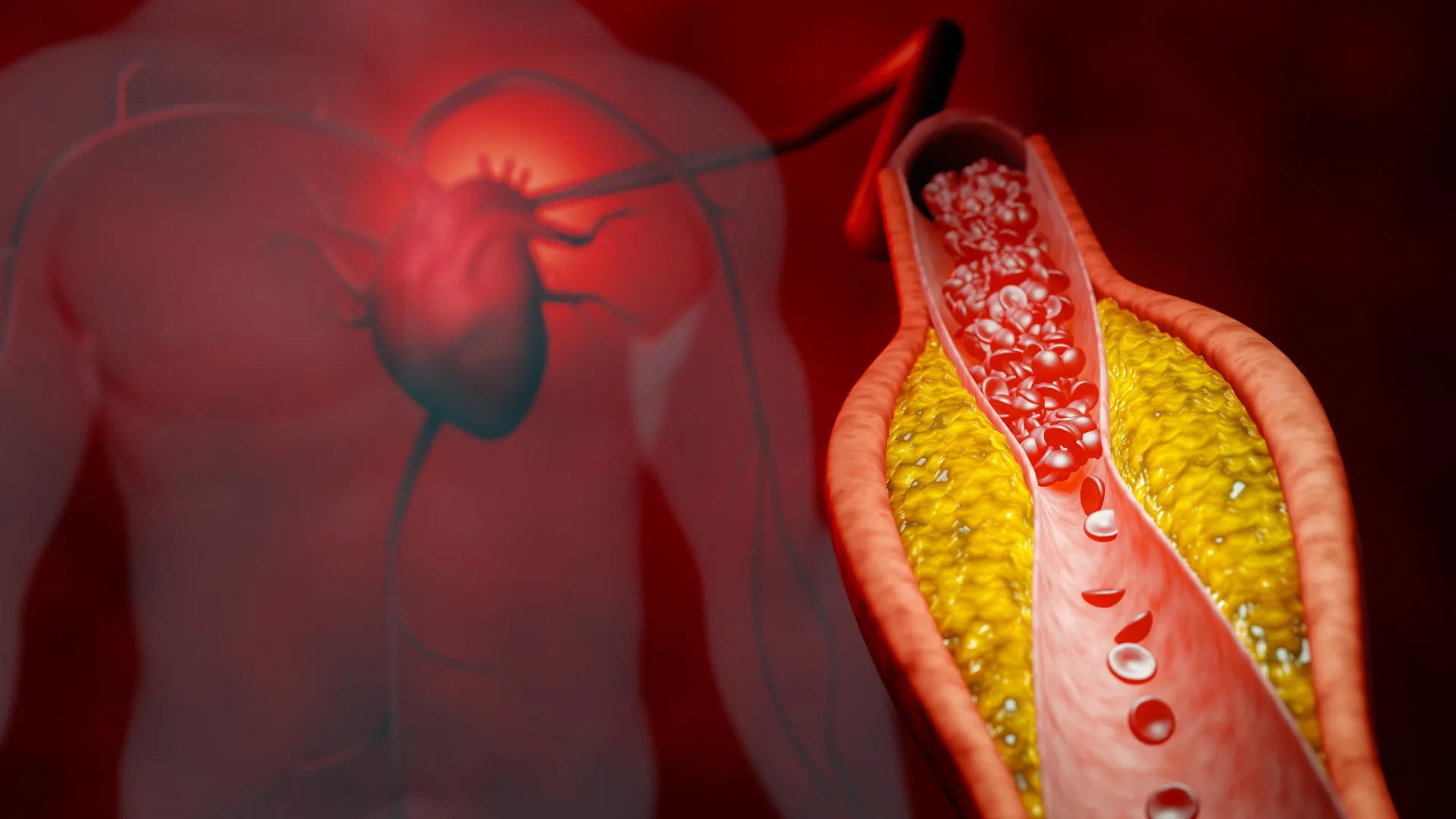
For decades, statins have been the cornerstone of cholesterol management, dramatically reducing the risk of heart disease and stroke. However, statins aren’t without their drawbacks – muscle pain (myopathy) being a common and often debilitating side effect. Now, a groundbreaking research effort from the University of Barcelona, in collaboration with the University of Oregon, is offering a promising alternative: a novel approach to lower “bad” cholesterol (LDL-C) by directly targeting the PCSK9 protein using innovative molecules called polypurine hairpins (PPRHs). This research, published in Biochemical Pharmacology, could revolutionize how we prevent and treat atherosclerosis, the dangerous buildup of plaque in arteries.
As a cardiologist with over 20 years of experience in preventative cardiology, I’ve witnessed firsthand the impact of both effective cholesterol management and the challenges patients face with current therapies. This new research is especially exciting as it addresses a critical need: a safe and effective way to lower LDL-C for those who can’t tolerate statins, or for whom statins aren’t enough.
Understanding the PCSK9 Pathway: A Key to Cholesterol Control
To understand the significance of this breakthrough, it’s crucial to understand the role of PCSK9.Think of LDL receptors on the surface of our cells as “docking stations” for LDL cholesterol. these receptors grab LDL-C from the bloodstream, allowing cells to absorb it and preventing it from accumulating in artery walls.
PCSK9 is an enzyme that essentially reduces the number of these vital LDL receptors. It binds to them,marking them for degradation,meaning fewer receptors are available to clear cholesterol from the blood. This leads to higher LDL-C levels, a major risk factor for atherosclerosis and cardiovascular disease. Over the past decade, PCSK9 has become a prime target for developing new cholesterol-lowering therapies.
How Polypurine Hairpins Disrupt PCSK9 Production
The barcelona-led team has developed a clever strategy to combat this process.Instead of directly blocking the PCSK9 protein itself (as some existing therapies do), thay’ve focused on preventing its production in the first place. This is where PPRHs come in.
PPRHs are short, synthetic strands of DNA (oligonucleotides) designed to specifically bind to the genetic instructions (RNA) for making PCSK9. This binding acts like a “switch-off” signal, halting the production of the PCSK9 protein. By reducing PCSK9 levels, more LDL receptors are available, leading to increased cholesterol uptake by cells and lower LDL-C levels in the bloodstream.
“The beauty of this approach lies in its precision,” explains Professor carles J. Ciudad, from the Department of Biochemistry and Physiology at the University of Barcelona. “The PPRHs,specifically HpE9 and HpE12,are designed to bind with remarkable accuracy to specific regions of the PCSK9 gene,effectively silencing its expression.”
Promising Results in Preclinical Studies
The research team rigorously tested their PPRH strategy, first in human cells (HepG2 cells) and then in transgenic mice engineered to express the human PCSK9 gene. The results where compelling:
* Significant PCSK9 Reduction: HpE12, in particular, demonstrated a remarkable ability to lower PCSK9 levels – reducing RNA levels by 74% and protein levels by 87% in cell cultures.
* Dramatic Cholesterol Lowering in Mice: A single injection of HpE12 into transgenic mice resulted in a 50% reduction in plasma PCSK9 levels and a 47% reduction in cholesterol levels within just three days.
* Increased LDL Receptor Levels: The PPRHs effectively boosted the number of LDL receptors, enhancing the cells’ ability to clear cholesterol from the blood.
PPRHs: A Potential Advantage Over Existing Therapies
While other PCSK9-targeting therapies exist – including siRNA agents like Inclisiran and monoclonal antibodies like evolocumab and alirocumab - PPRHs offer several potential advantages:
* Cost-effectiveness: PPRHs are relatively inexpensive to synthesize, perhaps making them more accessible to a wider range of patients.
* Stability: PPRHs are more stable than some other oligonucleotide-based therapies, potentially leading to longer-lasting effects.
* Reduced Immunogenicity: Early indications suggest PPRHs are less likely to trigger an immune response compared to some other therapies.



![California Hospital & Clinic Concerns: An Open Letter | [Year] Updates & Advocacy](https://i0.wp.com/health-access.org/wp-content/uploads/2024/06/HACA_Stacked_Horiz_Grad_CMYK_yoast-2.png?resize=330%2C220&ssl=1 "California Hospital & Clinic Concerns: An Open Letter | [Year] Updates & Advocacy")


