The Power of Helping: How volunteering adn Everyday Kindness Can Protect Your Cognitive Health
For years, researchers have sought ways too proactively combat age-related cognitive decline, a growing concern in an aging global population. While diet, exercise, and mental stimulation are frequently enough highlighted, a compelling body of evidence now points to a surprisingly powerful – and accessible – strategy: helping others. New research demonstrates that consistent engagement in both formal volunteering and informal acts of kindness can noticeably slow cognitive decline in middle-age and older adults, offering a promising avenue for promoting brain health and well-being.
A Two-Decade Study Reveals Notable Benefits
A landmark study, recently published in Social Science & Medicine, tracked over 30,000 U.S. adults for two decades, revealing a striking correlation between helping behavior and cognitive function.Researchers found that individuals who consistently helped others – whether through organized volunteering or everyday acts of support - experienced a 15-20% reduction in the rate of age-related cognitive decline. This isn’t a marginal effect; it represents a significant slowing of the natural process of cognitive change.
This research, supported by the National Institute on Aging and the eunice Kennedy Shriver National Institute of Child Health and Human Development, highlights the importance of sustained engagement. The most robust benefits were observed in individuals who dedicated approximately two to four hours per week to helping others.
Formal Volunteering and Informal Helping: Both Matter
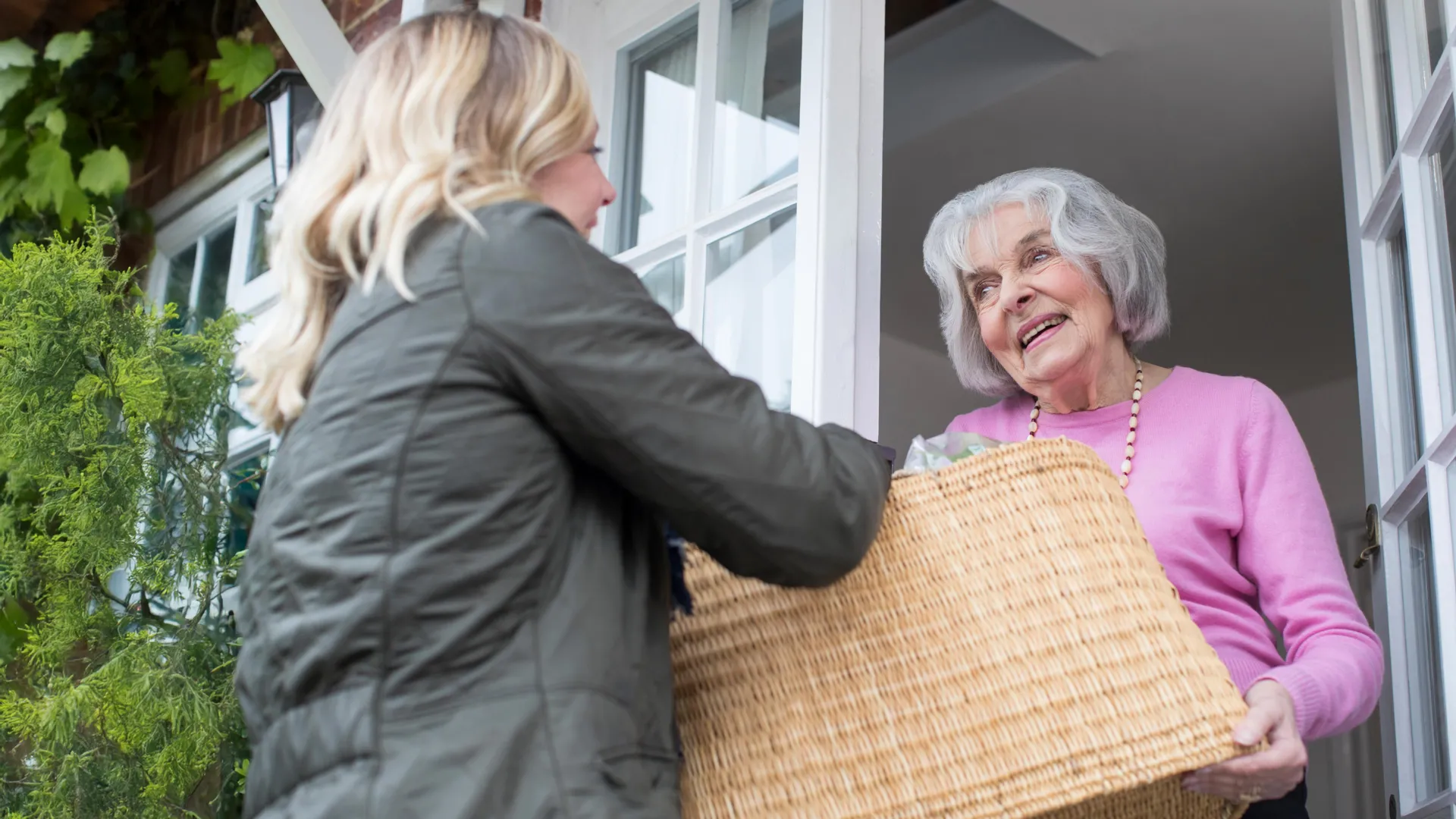
What’s particularly noteworthy is that the cognitive benefits weren’t limited to conventional volunteering. The study meticulously examined both formal volunteering (e.g., working with established organizations) and informal helping (e.g.,assisting neighbors,family,or friends with tasks like rides to appointments,childcare,or even helping with taxes).
“Everyday acts of support – whether organized or personal – can have lasting cognitive impact,” explains Dr. Sae Hwang Han, Assistant Professor of Human Development and Family Sciences at the University of Texas at Austin and lead author of the study. “What stood out to me was that the cognitive benefits weren’t just short-term boosts but cumulative over time with sustained engagement, and these benefits were evident for both formal volunteering and informal helping.”
This is significant because informal helping is far more prevalent. While roughly one-third of older Americans participate in formal volunteering, over half regularly engage in informal acts of assistance. The study challenges the assumption that informal helping offers fewer health benefits due to a lack of social recognition, demonstrating that its cognitive impact is comparable to formal volunteering.
Why Does Helping Others Protect the Brain?
The mechanisms behind this protective effect are likely multifaceted. Researchers are uncovering several potential pathways:
* Stress Reduction: Dr. Han’s previous research demonstrates that volunteering can mitigate the harmful effects of chronic stress on systemic inflammation – a key biological factor linked to cognitive decline and dementia. Helping others appears to buffer the physiological toll of stress.
* Strengthened Social Connections: Helping fosters social bonds, providing crucial psychological, emotional, and cognitive support. Social isolation is a known risk factor for cognitive decline, and helping actively combats this.
* Increased Cognitive Engagement: Helping often requires problem-solving, planning, and social interaction, all of which stimulate cognitive function.
* Sense of Purpose & Meaning: Contributing to the well-being of others provides a sense of purpose and meaning, which is strongly associated with better overall health and cognitive resilience.
Longitudinal Data & Rigorous Analysis
The strength of this research lies in its use of longitudinal data from the national Health and Retirement Study, a representative sample of U.S. residents over age 51 dating back to 1998. The researchers meticulously accounted for confounding factors – including wealth, physical and mental health, and education – to isolate the specific impact of helping behavior.
Importantly,the data revealed that wholly withdrawing from helping was associated with worse cognitive function. This underscores the importance of maintaining engagement in helping activities for provided that possible, with appropriate support and accommodations.
Implications for Public Health & Aging
These findings have significant implications for public health and aging policy. They advocate for a broader understanding of volunteering, helping, and neighborhood connection as essential components of a healthy aging strategy.
As societies grapple with an aging population and rising rates of loneliness and isolation, fostering opportunities for meaningful contribution becomes increasingly critical. Providing support and accommodations to enable older adults to continue helping others – even after cognitive decline has begun – is a proactive step towards promoting brain health and enhancing quality of life.
The Takeaway: Small Acts, Big Impact
The message is clear: helping others isn’t just good for the recipient; it’s profoundly beneficial for the helper. Whether it’s volunteering at a local charity, offering a ride to a neighbor, or simply lending a listening ear to a friend, incorporating regular acts of kindness into
Keep reading