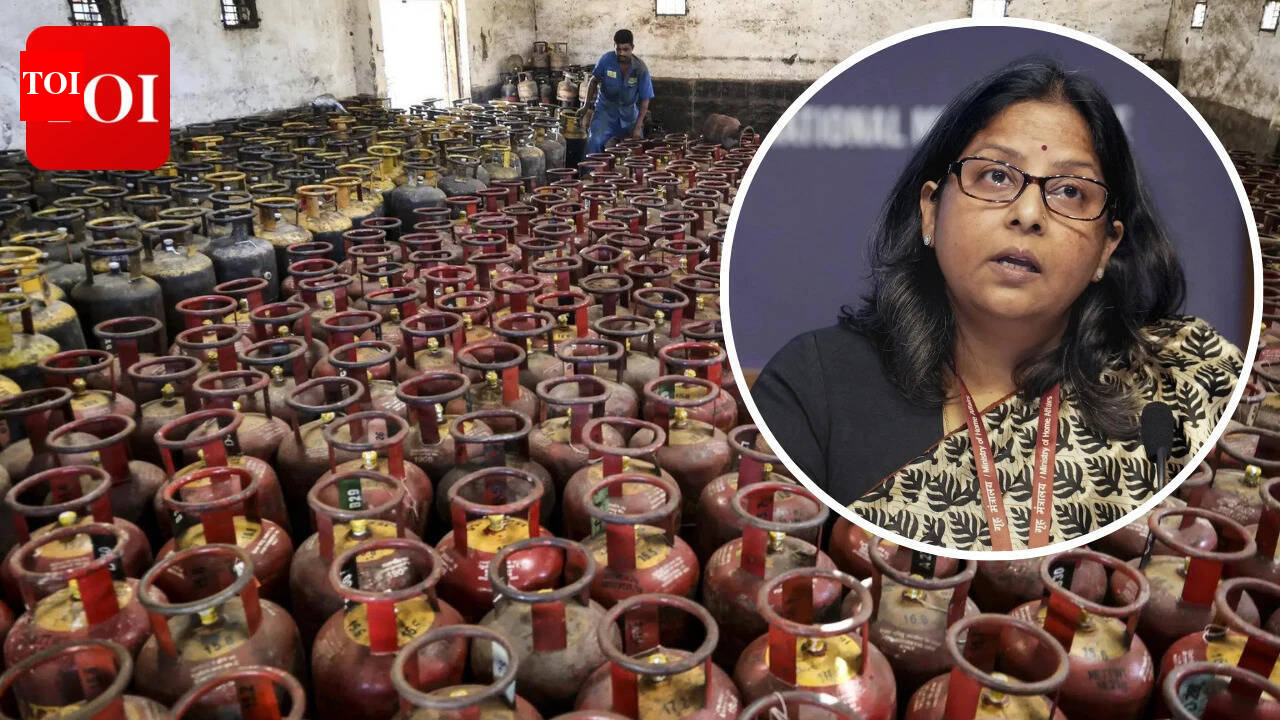
New Delhi – Concerns over potential fuel shortages are rising across India, prompted by escalating geopolitical tensions in West Asia. Whereas anxieties surrounding the availability of Liquefied Petroleum Gas (LPG) and other fuels have increased, the central government has moved to reassure citizens that there is no immediate cause for panic. The situation stems from disruptions to oil supply chains linked to the ongoing conflict and, specifically, reported closures impacting the critical Strait of Hormuz shipping lane.
The government’s response has focused on stabilizing supply and discouraging panic buying. Officials are urging citizens to conserve fuel wherever possible and avoid unnecessary stockpiling of LPG cylinders. This comes as India, a major importer of oil and gas, navigates a complex global energy landscape increasingly shaped by regional instability. The potential for prolonged disruptions to energy supplies underscores the importance of proactive measures to ensure energy security for the country’s 1.4 billion people.
Government Assurances and Supply Chain Management
Addressing the growing public concern, Sujata Sharma, Joint Secretary at the Ministry of Petroleum and Natural Gas, held a press briefing to outline the government’s strategy. Sharma acknowledged a significant increase in LPG bookings driven by public apprehension but emphasized that the retail network, comprising approximately 100,000 fuel outlets nationwide, remains fully operational without any reported dry-outs. According to reports, around 25,000 LPG distributors are currently supplying roughly 5 million cylinders daily, ensuring continued access for households across the country.
The government is prioritizing commercial LPG supplies for essential services, including hospitals and educational institutions. A three-member committee, composed of executive directors from oil marketing companies, has been established to oversee allocations and prevent potential hoarding or black marketing. This proactive measure aims to safeguard critical infrastructure and ensure uninterrupted operations in vital sectors. India’s refineries are operating at increased capacity to boost domestic LPG production. Sharma stated that production has increased from 25% to 28% following a March 9th order issued under the Essential Commodities Act, directing refineries to maximize output.
Impact of the Strait of Hormuz and Diversification of Supply Routes
The closure of the Strait of Hormuz, a strategically vital waterway for global energy transport, is a key factor driving concerns about potential supply disruptions. The Strait of Hormuz connects the Persian Gulf with the Gulf of Oman and the Arabian Sea, and a significant portion of the world’s oil supply passes through this narrow passage. Devdiscourse reports that Iraq is maintaining oil production amidst these regional challenges, but the broader impact on global supply remains a concern.
Despite the closure, the Indian government asserts that it has successfully diverted a significant portion of its oil imports away from the Strait of Hormuz through alternative routes. Sharma stated that over 70% of current imports are now being routed through these alternate pathways, mitigating the immediate impact of the closure. This diversification strategy highlights the government’s proactive approach to securing energy supplies in the face of geopolitical instability. India, currently the world’s fourth-largest refiner, processes approximately 55 million barrels of oil per day, providing a substantial buffer against external shocks.
Alternative Fuel Strategies and Government Initiatives
To further alleviate pressure on LPG and natural gas supplies, the government is actively promoting the apply of alternative fuels. Allocations of kerosene to states are being increased, and the distribution of coal to small and medium-sized consumers is being scaled up. Recognizing the require for flexibility, the Ministry of Environment, Forest and Climate Change has advised state pollution control boards to temporarily permit restaurants and hotels to utilize biomass, Refuse-Derived Fuel (RDF) pellets, kerosene, or coal for a period of one month. This measure aims to reduce reliance on conventional fuels and ensure continuity of operations in the hospitality sector.
Daily coordination between oil marketing companies and state governments is ongoing to monitor supply levels, assess demand patterns, and enforce regulations effectively. District-level committees have been established to prevent fuel diversion, hoarding, and misuse, ensuring equitable distribution and preventing artificial shortages. These coordinated efforts demonstrate a comprehensive approach to managing the situation and maintaining energy stability.
West Asia Conflict and Global Oil Prices
The current situation is inextricably linked to the broader conflict in West Asia. Business Standard reports that Brent crude oil prices have surged above $100 a barrel, reflecting the heightened geopolitical risk. The United States has responded by releasing oil from its strategic reserves in an attempt to stabilize global markets. The conflict’s impact on oil prices and supply routes is a major concern for India, which relies heavily on imported energy.
The situation remains fluid and requires continuous monitoring. The government’s proactive measures, including diversification of supply routes, increased domestic production, and promotion of alternative fuels, are aimed at mitigating the impact of potential disruptions and ensuring energy security for the nation. Citizens are encouraged to remain calm and avoid panic buying, contributing to a stable and sustainable energy supply.
The Ministry of Petroleum and Natural Gas is expected to provide further updates on the situation in the coming days. Continued monitoring of global developments and proactive adjustments to national energy policies will be crucial in navigating these challenging times. Readers are encouraged to share their thoughts and experiences in the comments section below.
- Children Killed in Widespread Air Raids Across Ukrainian Cities
- Driss Atounane: Moroccan Shopkeeper Killed as Hero Defending Woman from Racist Attack in Brussels
- Missouri’s Leadership Amidst White House-Backed Ratepayer Protection Pledge (news-usa.today)
- OC Transpo Riders Voice Concerns at Public Town Halls (archynewsy.com)