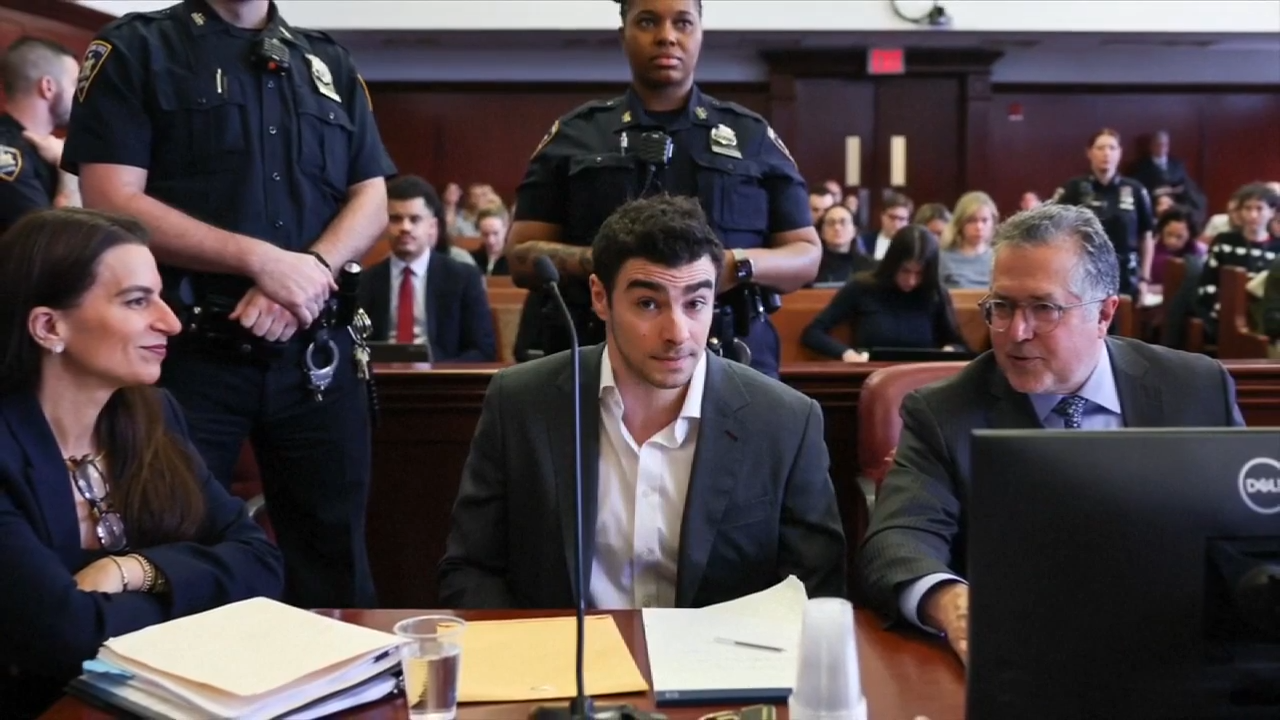
Attorneys representing Luigi Mangione, the suspect charged in the December 2024 killing of UnitedHealthcare CEO Brian Thompson, have signaled their intent to present an affirmative psychiatric defense during trial. Legal filings submitted in Manhattan Supreme Court indicate that the defense team will argue Mangione acted under the influence of extreme emotional disturbance, a strategy that seeks to mitigate the severity of the charges rather than deny the act itself.
The case, which centers on the high-profile shooting outside a Midtown Manhattan hotel, remains in the pre-trial phase as prosecutors and defense counsel prepare for upcoming proceedings. According to court records, this psychiatric strategy is a formal procedural step that requires the defense to provide notice to the prosecution, allowing for potential independent medical evaluations of the defendant. The Manhattan District Attorney’s office has not yet issued a formal response to the specific parameters of this notice, though such filings typically trigger a period of discovery regarding the defendant’s mental health history.
Understanding the Affirmative Psychiatric Defense
In New York state law, an affirmative defense of extreme emotional disturbance (EED) does not serve as a justification for a crime, nor does it function as an insanity plea. Instead, if successful, it provides a basis for a jury to mitigate a charge of murder in the second degree to manslaughter in the first degree. As detailed in the New York Penal Law, the defendant bears the burden of proving by a preponderance of the evidence that they were under the influence of an extreme emotional disturbance for which there was a reasonable explanation or excuse.
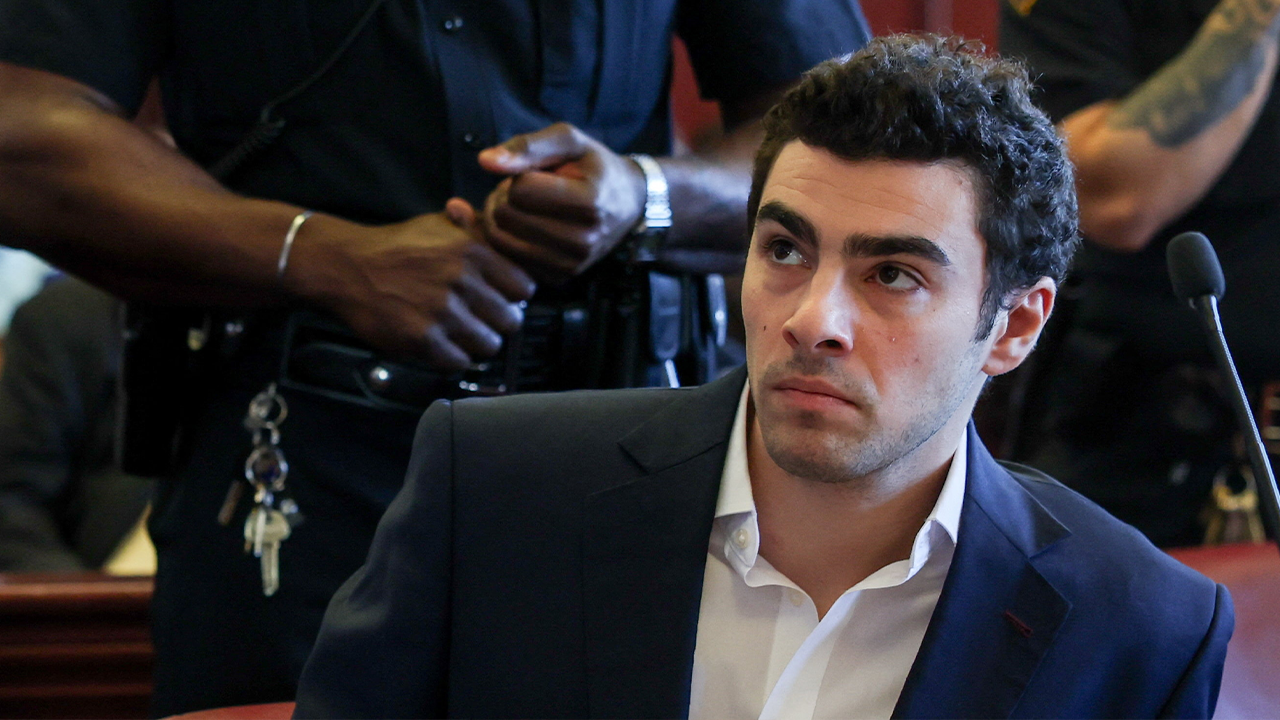
Legal analysts note that this defense requires the jury to consider the defendant’s state of mind at the time of the incident from a subjective perspective. According to reporting from the Reuters news agency, the defense team’s move suggests they will focus on the psychological context surrounding the defendant’s actions. This is a distinct legal path from a “not guilty by reason of mental disease or defect” defense, which, if successful, would result in a commitment to a psychiatric facility rather than a prison sentence.
Background of the Investigation
The shooting of Brian Thompson occurred on the morning of December 4, 2024, as the executive was walking to a corporate investor conference at the New York Hilton Midtown. The incident prompted a multi-state manhunt that concluded days later when Mangione was apprehended at a McDonald’s in Altoona, Pennsylvania. Local authorities confirmed the arrest after a tip from a restaurant employee who recognized the suspect from widely circulated security footage, according to reports from the BBC.
Following his arrest, Mangione was extradited to New York to face charges, including second-degree murder and criminal possession of a weapon. The Manhattan District Attorney’s Office has emphasized the gravity of the charges, citing evidence recovered during the investigation, including items allegedly found in the suspect’s possession at the time of his capture. The court process has moved through initial arraignments, with the defense now setting the stage for a trial that will likely heavily feature expert psychological testimony.
Procedural Expectations and Next Steps
The filing of a notice for a psychiatric defense initiates a series of procedural requirements mandated by the Criminal Procedure Law of New York. The prosecution is entitled to have their own mental health experts examine the defendant to evaluate the claims made by the defense’s experts. This phase often involves the exchange of medical records, psychiatric reports, and testimony from clinicians who have treated or evaluated the defendant.

The court has yet to set a firm date for the start of the trial, as discovery and pre-trial motions are ongoing. The next significant checkpoint involves a status conference, where the judge will likely address the timeline for the exchange of expert witness lists and the scheduling of court-ordered psychiatric examinations. Observers expect the debate over the admissibility and weight of the psychiatric evidence to be a central feature of the pre-trial litigation.
As the legal process continues in Manhattan, public interest in the case remains high due to the identity of the victim and the nature of the crime. Updates regarding the schedule of the next hearing will be provided by the court clerk as they are finalized. Readers are encouraged to check the official New York State Courts Electronic Filing system for the most recent updates on case filings and scheduled appearances.
Keep reading