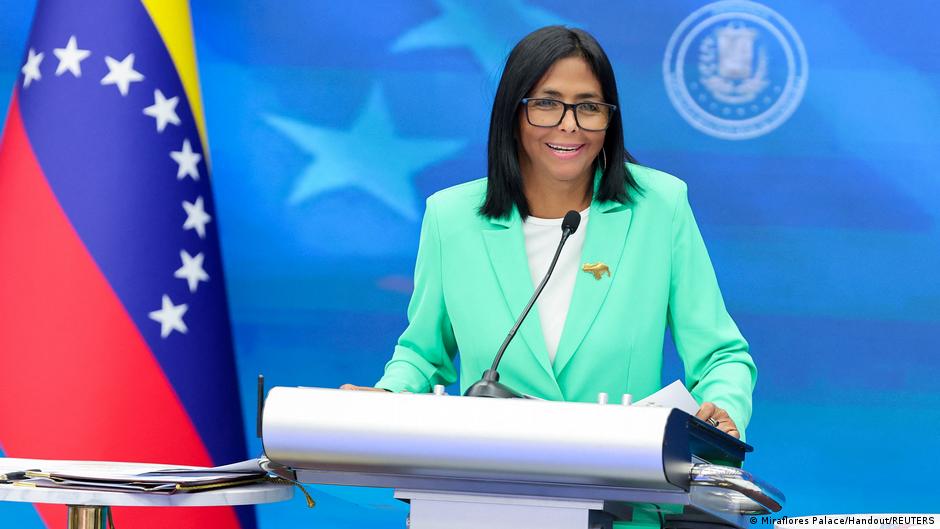
Internal criticism of Venezuelan Vice President Delcy Rodríguez has intensified amid ongoing domestic economic instability and shifting geopolitical dynamics. While supporters characterize her as a key architect of the government’s economic strategy, critics within and outside the administration point to persistent inflation, infrastructure failure, and the limitations of current state-led recovery efforts, according to reports from Reuters and local analysts monitoring the country’s fiscal policy.
Rodríguez, who has served as Executive Vice President since 2018, remains a central figure in President Nicolás Maduro’s cabinet. Her tenure has been defined by efforts to bypass international sanctions and manage the country’s hyperinflationary environment. However, the efficacy of these policies faces scrutiny as the International Monetary Fund continues to highlight the challenges of stabilizing the Venezuelan bolívar and addressing the country’s long-term output decline.
Economic Policy and Domestic Criticism
The primary critique against Rodríguez centers on the persistence of poverty and the lack of tangible improvement in public services. Despite government claims of a “path to development,” segments of the Venezuelan public and domestic observers argue that current measures—often described as a mix of price controls and limited market liberalization—have failed to stabilize the economy for the average citizen. According to the Encuesta Nacional de Condiciones de Vida (ENCOVI), a comprehensive study conducted by Andrés Bello Catholic University, millions of Venezuelans still face significant barriers to food security and basic healthcare.
Critics frequently highlight the disparity between official economic growth projections and the reality on the ground. While the government has touted a shift toward a more pragmatic, “Singapore-style” economic model to attract foreign investment, labor unions and independent economists remain skeptical. They argue that the structural issues—including the erosion of the rule of law and political instability—preclude the type of growth seen in successful emerging markets.
Geopolitical Positioning and International Scrutiny
Rodríguez’s role is further complicated by her status as a high-profile target of international sanctions. She has been a focal point of diplomatic tensions, particularly regarding her travel and participation in international forums. Her ability to navigate these restrictions has been a subject of debate among regional analysts who monitor how the Venezuelan government manages its global image.
Recent discourse in international policy circles has touched upon the potential for diplomatic engagement with the United States. Reports from the U.S. Department of State emphasize that any relief from sanctions remains contingent on concrete democratic reforms and the release of political prisoners. Analysts note that Rodríguez’s political future is inextricably linked to whether the Maduro administration can secure a broader normalization of relations with the West, a task that remains stalled.
What Happens Next for the Administration
The immediate challenge for Rodríguez and the Maduro cabinet is the upcoming cycle of fiscal planning and the management of the 2025 budget. With oil production levels remaining well below historical peaks, as tracked by the Organization of the Petroleum Exporting Countries (OPEC), the government faces a narrow window to maintain social spending without further fueling inflationary pressures.

Official updates regarding economic reforms are typically disseminated through the Ministry of Communication and Information. Observers are currently monitoring upcoming National Assembly sessions for potential legislative changes to foreign investment laws, which could signal whether the government intends to deepen its current economic trajectory or pivot toward more restrictive policies. As the situation evolves, the effectiveness of the Vice President’s mandate will likely be measured by the government’s success—or failure—in curbing the migration crisis and restoring basic utility services nationwide.
We invite readers to share their perspectives on these developments in the comments section below. For ongoing coverage of Venezuelan political affairs and economic policy, ensure you are following our news desk for the latest verified reports.
Related reading