
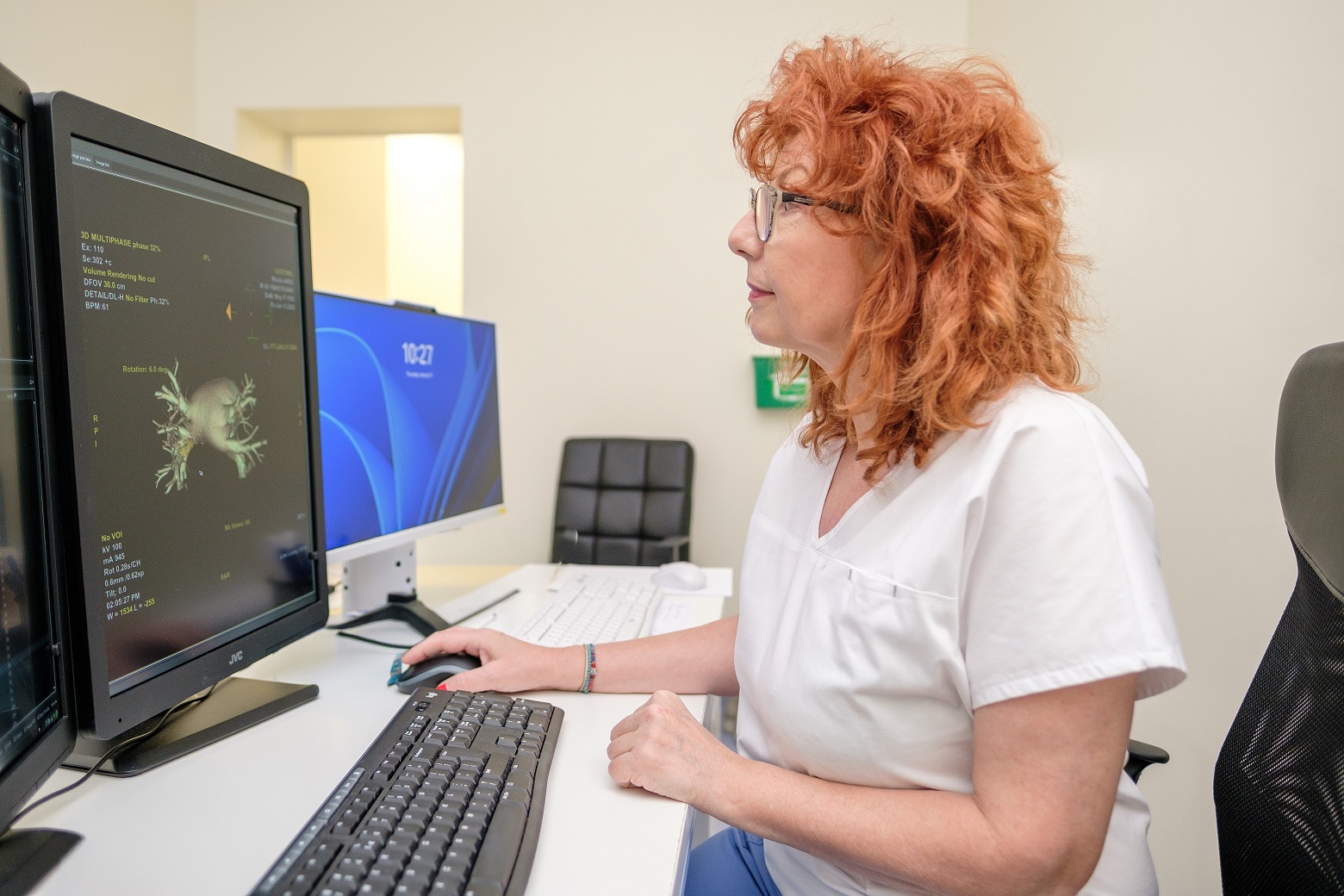
Lung cancer can develop silently—even in people who quit smoking years ago—yet early detection remains the single most critical factor in survival. According to the American Cancer Society, about 85% of lung cancer cases are linked to smoking, but the disease can progress without symptoms for years, leaving a narrow “window of opportunity” for effective treatment.
This reality challenges long-held assumptions about who is at risk. While current smokers face the highest danger, former smokers—even those who quit decades ago—still carry elevated risks. The World Health Organization estimates that former smokers retain a 30% higher risk of lung cancer than never-smokers, with risks gradually declining but never fully disappearing. The key to survival lies in early detection, yet many miss the critical signs because lung cancer often remains asymptomatic until it reaches advanced stages.
New screening guidelines and medical advancements are now offering hope. Experts say that with the right tools and awareness, this silent killer can be caught before it spreads. But how does this “window of opportunity” work, and who should be screened? Here’s what the latest research and global health authorities say.
Why Lung Cancer Can Develop Without Symptoms—Even After Quitting
Lung cancer’s ability to grow undetected stems from its biology. Unlike many cancers that cause immediate pain or visible changes, lung tumors often remain hidden deep in lung tissue until they press on nerves or grow large enough to interfere with breathing. The National Cancer Institute notes that by the time symptoms like chronic cough, shortness of breath, or chest pain appear, about 70% of lung cancers have already spread beyond the lungs—a stage where treatment options are far more limited.

For former smokers, the risk doesn’t vanish overnight. A study published in the Journal of the National Cancer Institute found that even after 15 years of quitting, former smokers still face a 50% higher risk of developing lung cancer compared to those who never smoked. The damage to lung tissue from decades of smoking—including inflammation, DNA mutations, and scar tissue—can persist, creating conditions where cancer cells may silently multiply.
Dr. Paul A. Bunn Jr., a lung cancer specialist at the University of Colorado Cancer Center, explains that “the lung is a resilient organ, but it doesn’t forget. The cells remember the exposure, and in some cases, that memory can lead to cancer years later.” This is why screening recommendations now extend to former smokers, not just current ones.
The “Window of Opportunity”: How Early Detection Changes Survival Rates
When lung cancer is detected at its earliest stages (Stage IA or IB), the five-year survival rate jumps to nearly 70%, according to the Surveillance, Epidemiology, and End Results (SEER) Program. Compare that to Stage IV, where survival drops to just 7%. This stark difference underscores why experts call early detection a “window of opportunity”—a brief period when treatment can be most effective.
Low-dose computed tomography (LDCT) scans have become the gold standard for early detection. The U.S. Preventive Services Task Force (USPSTF) recommends annual LDCT screening for adults aged 50–80 with a 20-pack-year smoking history (e.g., one pack a day for 20 years) who either currently smoke or quit within the past 15 years. However, emerging evidence suggests this window may need to be widened.

A 2023 study in The Lancet Oncology found that former smokers who quit more than 15 years ago but still have a high risk profile (e.g., family history of lung cancer or exposure to radon or asbestos) could benefit from extended screening. The study’s lead author, Dr. Heather Wakelee of Stanford Medicine, told The New York Times that “we’re learning that the risk doesn’t drop to zero, and for some people, screening could still save lives even years after quitting.”
Who Should Get Screened—and When?
Current guidelines focus on high-risk groups, but the criteria are evolving. Here’s a breakdown of who may qualify for lung cancer screening:
- Current smokers: Ages 50–80 with a 20+ pack-year history who currently smoke or quit within the past 15 years.
- Former smokers: Those who quit more than 15 years ago but have additional risk factors, such as a family history of lung cancer, exposure to radon, or occupational hazards like asbestos.
- Never-smokers: Individuals with a high genetic risk (e.g., certain mutations) or exposure to environmental carcinogens may also be candidates, though guidelines vary by country.
The UK’s National Institute for Health and Care Excellence (NICE) recommends screening for former smokers up to age 75 with a 20+ pack-year history, regardless of how long ago they quit. Meanwhile, the Australian Lung Cancer Trials Group is conducting research to determine if screening should extend to former smokers who quit up to 30 years ago.
For those unsure about their risk, online tools like the American Lung Association’s Lung Cancer Screening Tool can help assess eligibility based on smoking history and other factors.
What Happens During a Lung Cancer Screening?
A LDCT scan is quick, painless, and involves a low radiation dose—about one-tenth of a standard chest X-ray. The process typically takes less than 15 minutes and requires no preparation beyond removing metal objects. If a nodule or abnormality is found, follow-up tests may include:
- Repeat LDCT scans to monitor growth.
- PET scans for metabolic activity.
- Biopsies to determine if cells are cancerous.
False positives are possible—about 95% of detected nodules are benign—but advancements in AI-assisted imaging are reducing unnecessary biopsies. The U.S. FDA recently approved an AI tool, Lung Cancer Screening Assistant, to help radiologists identify high-risk nodules more accurately.
Breaking the Stigma: Why More Former Smokers Aren’t Getting Screened
Despite the benefits, many former smokers avoid screening due to misconceptions. A survey by the American Society of Clinical Oncology (ASCO) found that 40% of eligible former smokers had never been screened, citing beliefs like “I quit, so I’m no longer at risk” or “I don’t have symptoms, so it’s not necessary.”
Dr. Leora Horn, a thoracic oncologist at Dana-Farber Cancer Institute, emphasizes that “symptoms don’t determine risk—they’re a late sign. By the time you feel something, it’s often too late.” She advises former smokers to treat screening like a “health checkup,” similar to colonoscopies or mammograms.
Financial barriers also play a role. While Medicare and most private insurers cover LDCT screening for eligible individuals in the U.S., uninsured patients may face costs of up to $300 per scan. Free or low-cost screening programs, such as those offered by the American Lung Association and American Cancer Society, can help bridge this gap.
Global Disparities: Who’s Getting Screened—and Who Isn’t?
Screening uptake varies widely across regions. In the U.S., about 6% of eligible adults undergo annual LDCT screening, according to the CDC. In contrast, countries like Japan and South Korea have achieved screening rates above 20% due to national programs and cultural emphasis on preventive care.

Low- and middle-income countries face additional challenges, including limited access to LDCT technology and healthcare infrastructure. The WHO reports that 70% of lung cancer deaths occur in these regions, often due to late-stage diagnoses. Initiatives like the International Association for the Study of Lung Cancer (IASLC) are working to expand screening in underserved areas through mobile units and telemedicine.
What’s Next: Emerging Tools and Research
Researchers are exploring ways to expand the “window of opportunity” further. Key developments include:
- Blood tests: Companies like GRAIL are developing liquid biopsy tests to detect early-stage lung cancer through circulating tumor DNA in blood samples.
- AI and imaging: Machine learning algorithms are improving nodule detection, reducing false positives by up to 30%, according to a study in Radiology.
- Personalized risk models: Tools like the PLCOm2012 model use genetic, environmental, and smoking history data to predict individual risk more accurately.
The National Cancer Institute is also funding trials to test whether screening should begin earlier—potentially at age 40—for high-risk individuals, including former smokers with additional risk factors.
Key Takeaways: What You Need to Know
- Lung cancer can develop silently: Even former smokers may have no symptoms until the disease is advanced.
- The “window of opportunity” is narrow: Early detection via LDCT screening can improve survival rates dramatically.
- Screening guidelines are expanding: Former smokers who quit more than 15 years ago may still benefit from screening if they have other risk factors.
- Cost and access barriers persist: Free or low-cost screening programs can help eligible individuals get tested.
- Emerging tools like blood tests and AI may soon make screening even more accessible.
The next major checkpoint in lung cancer screening will be the release of updated USPSTF guidelines in 2025, which may further refine eligibility criteria based on new research. In the meantime, experts urge anyone with a smoking history—current or former—to discuss screening with their healthcare provider.
Have you or a loved one been affected by lung cancer? Share your experiences or questions in the comments below. For more on preventive health, explore our health policy updates and global cancer research sections.