
Taiwan Street Attack: Elderly Woman and Community Leader Seriously Injured After Confronting Stalker
On the afternoon of April 28, 2026, a disturbing act of violence unfolded on the streets of Luzhou District in New Taipei City, Taiwan, leaving two bystanders with life-threatening injuries. The incident began when a 41-year-old man, identified as Mr. You, allegedly stalked an 18-year-old high school student on her way home from school. When the student’s grandmother and a local community leader attempted to intervene, the suspect turned violent, assaulting both individuals before being restrained by nearby residents.
According to police reports, the grandmother, a 72-year-old woman surnamed Lu, suffered severe injuries, including a fractured nose, facial bruising and a ruptured liver. The community leader, Mr. Guo, a neighborhood chief in Luzhou’s Xinyi Village, sustained facial lacerations and a torn tear duct. Both victims were rushed to separate hospitals for emergency treatment, although the suspect was taken into custody by New Taipei City Police.
The case has drawn widespread attention in Taiwan, highlighting concerns about public safety, stalking laws, and the risks faced by those who intervene in harassment incidents. Authorities have moved swiftly to address the legal consequences, with prosecutors seeking pre-trial detention and potential protective measures under Taiwan’s stalking and harassment prevention laws.
The Incident: A Timeline of Violence
The attack occurred around 4:00 PM near the intersection of Minzu Road and Lane 110 in Luzhou District. The 18-year-old student, referred to by authorities as “Xiao Hua” (a pseudonym to protect her identity), was walking home from school when she noticed Mr. You following her. According to statements from New Taipei City Police, the suspect had been observing the student for an extended period before she entered a residential alley, where he continued to trail her.
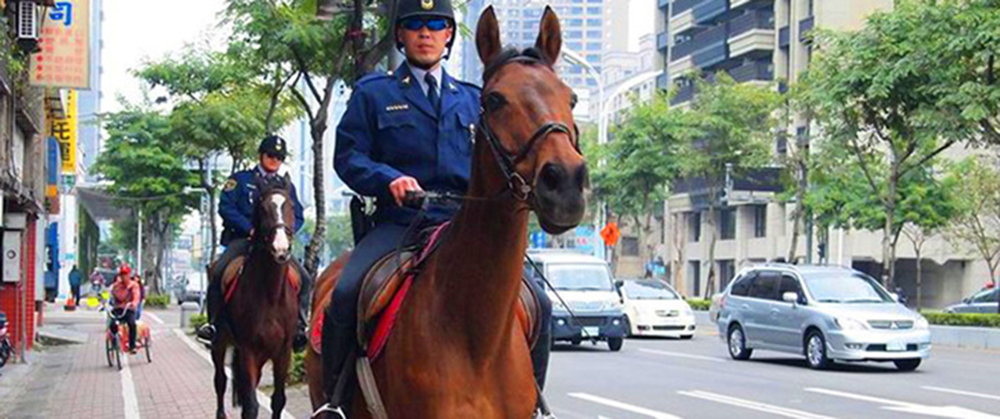
Frightened, the student called her grandmother for aid. Lu, who lived nearby, rushed to the scene and confronted Mr. You at the entrance of the community. Witnesses reported that she verbally reprimanded him, demanding that he stop following her granddaughter. Instead of backing down, Mr. You allegedly became aggressive, punching and kicking Lu repeatedly. When Mr. Guo, the local neighborhood chief, arrived to assist, the suspect turned on him as well, striking him in the face and causing significant injuries.
Bystanders quickly intervened, restraining Mr. You until police arrived. Officers from the Luzhou Police Precinct took the suspect into custody at the scene and transported him to the precinct for questioning. Meanwhile, Lu was rushed to Shin Kong Wu Ho-Su Memorial Hospital, where doctors confirmed she had sustained a ruptured liver, a fractured nose, and multiple facial contusions. Mr. Guo was taken to Taipei Mackay Memorial Hospital, where he was treated for a torn eyelid and a severed tear duct.
Legal Consequences and Public Outrage
Following his arrest, Mr. You was charged with multiple offenses, including aggravated assault, stalking, and harassment. Under Taiwan’s Stalking and Harassment Prevention Act, which came into effect in 2022, individuals convicted of stalking can face up to five years in prison. The law was strengthened in response to rising concerns about gender-based violence and public harassment, particularly against women and minors.
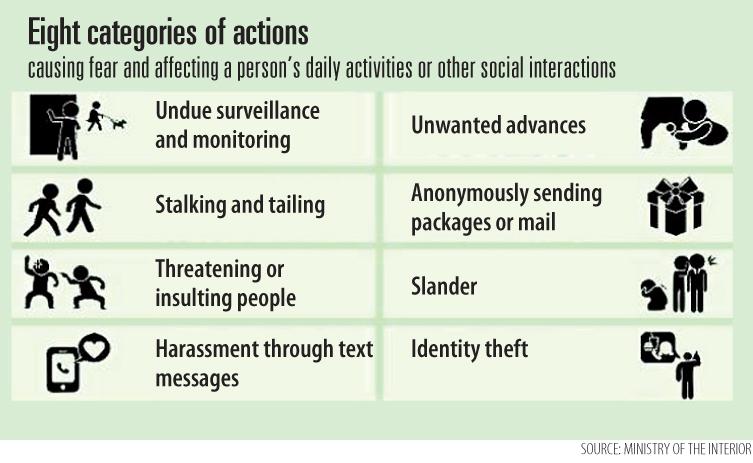
New Taipei City prosecutors have requested that Mr. You be held in pre-trial detention, citing concerns about flight risk and the severity of the charges. Authorities have issued a written warning to the suspect under the stalking law and are assisting the victims in applying for restraining orders. The student has also filed a formal complaint for sexual harassment, which police are investigating separately.
The case has sparked outrage across Taiwan, with many expressing shock at the brutality of the attack. Social media users have praised the bravery of the grandmother and the neighborhood chief, while others have called for stricter enforcement of stalking laws. “This is a wake-up call for all of us,” said Chen Ming-tong, a spokesperson for the Ministry of Gender Equality. “No one should have to fear for their safety when walking home, and no one should be attacked for trying to protect others.”
Taiwan’s Stalking Laws: What You Need to Know
Taiwan’s Stalking and Harassment Prevention Act, enacted in June 2022, was designed to address gaps in the legal system’s ability to protect individuals from persistent harassment. The law defines stalking as “repeatedly following, monitoring, or contacting a person in a manner that causes them fear or distress,” and it includes provisions for both criminal penalties and civil protections, such as restraining orders.
Key provisions of the law include:
- Criminal Penalties: Offenders can face up to five years in prison for stalking, with enhanced penalties if the victim is a minor, a current or former intimate partner, or if the stalking involves threats or violence.
- Restraining Orders: Victims can apply for emergency restraining orders, which can be issued within 24 hours in cases of immediate danger. Violating a restraining order can result in additional criminal charges.
- Written Warnings: Police can issue written warnings to suspected stalkers, even before formal charges are filed. These warnings serve as a deterrent and can be used as evidence in future legal proceedings.
- Support for Victims: The law mandates that local governments provide resources for victims, including counseling, legal assistance, and temporary housing if needed.
Since the law’s implementation, Taiwan has seen a significant increase in reports of stalking and harassment, reflecting both greater awareness and improved mechanisms for victims to seek help. However, critics argue that enforcement remains inconsistent, particularly in cases where stalking escalates into physical violence. The Luzhou attack has reignited calls for stronger protections and better training for law enforcement in handling such cases.
The Human Impact: Victims Speak Out
While the 18-year-old student has chosen to remain anonymous, her family has spoken publicly about the emotional toll of the incident. In a statement released through their lawyer, they described the student as “deeply traumatized” by the experience. “She is afraid to abandon the house alone,” the statement read. “This has changed her life forever.”
Lu, the grandmother, remains hospitalized in stable condition but faces a lengthy recovery. Her family has expressed gratitude for the outpouring of support from the community but has also called for justice. “My mother is a fighter,” said Lu’s daughter in a media interview. “But no one should have to go through this for simply trying to protect their family.”
Mr. Guo, the neighborhood chief, has also shared his perspective on the attack. In an interview with TVBS News, he described the moment he realized the suspect was not backing down. “I’ve known this community for decades, and I’ve never seen anything like this,” he said. “It’s terrifying to suppose that someone could turn so violent so quickly.” Guo is expected to make a full recovery but will require surgery to repair his tear duct.
What Happens Next?
The legal process for Mr. You is just beginning. Prosecutors will present their case to a judge, who will decide whether to grant the request for pre-trial detention. If convicted, Mr. You could face several years in prison, in addition to potential civil lawsuits from the victims. The case is also likely to reignite debates about Taiwan’s stalking laws, particularly regarding how to prevent such incidents from escalating into violence.

For the victims, the road to recovery will be long. Lu and Guo will require ongoing medical treatment, and the student may need counseling to address the psychological impact of the attack. Local authorities have pledged to provide support, including assistance with medical expenses and legal fees.
In the meantime, the Luzhou community has rallied around the victims. Residents have organized vigils and fundraisers, and local businesses have offered free services to the family. “This has brought our community closer together,” said one resident. “But it’s also a reminder that we need to do more to keep each other safe.”
Key Takeaways
- Violent Escalation: What began as a case of stalking quickly turned violent when bystanders attempted to intervene, leaving two individuals with serious injuries.
- Legal Consequences: The suspect faces multiple charges, including aggravated assault and stalking, under Taiwan’s Stalking and Harassment Prevention Act.
- Public Safety Concerns: The incident has sparked renewed discussions about the effectiveness of Taiwan’s stalking laws and the need for better protections for victims.
- Community Support: The Luzhou community has reach together to support the victims, highlighting the importance of solidarity in the face of violence.
- Next Steps: Prosecutors are seeking pre-trial detention for the suspect, and the victims will continue to receive medical and legal support as they recover.
A Call for Vigilance and Action
The Luzhou attack serves as a stark reminder of the dangers of stalking and the potential for harassment to escalate into violence. While Taiwan’s stalking laws are among the most progressive in Asia, this case underscores the need for continued vigilance, both from law enforcement and the public.
For those who experience stalking or harassment, authorities urge victims to report incidents immediately and seek support. Resources are available through local police stations, gender equality offices, and organizations such as the Ministry of Gender Equality and the Taiwan Alliance to Promote Women’s Rights.
As the legal process unfolds, the victims and their families will continue to navigate the physical and emotional aftermath of the attack. Their story is a testament to the courage of those who stand up to harassment—and a call to action for a society that must do more to protect its most vulnerable.
The next hearing in the case is scheduled for May 12, 2026, when a judge will review the prosecution’s request for pre-trial detention. We will continue to follow this story as it develops.
What are your thoughts on Taiwan’s stalking laws? Do you think enough is being done to protect victims? Share your comments below and join the conversation.
- Ashley Garibay Identified as Victim in Twin Falls In-N-Out Burger Shooting
- US Imposes Duties on Trading Partners Over Forced Labor Concerns
- Supreme Court Rulings on Student Protests and Police Accountability (world-today-news.com)
- Odesa Attack: 13 Injured as Russian Strike Hits Transport Infrastructure (time.news)