Stellantis Partners with China’s Hongqi to Expand in Europe: What It Means for Investors
In a strategic move that underscores the shifting dynamics of the global automotive industry, Stellantis—one of the world’s largest automakers—has announced a partnership with Chinese luxury brand Hongqi to expand its presence in Europe. The collaboration, revealed in early April 2026, marks a significant step for Stellantis as it navigates the complexities of electrification, regulatory pressures, and evolving consumer demands. For investors, the deal raises critical questions about the company’s long-term strategy, market positioning, and the potential impact on its stock performance.
The partnership centers on the distribution of Hongqi’s premium vehicles through Stellantis’ European dealership network, a move that could diversify the automaker’s portfolio beyond its traditional offerings. While Stellantis has not disclosed financial details of the agreement, the deal aligns with its broader ambition to strengthen its foothold in the luxury segment while hedging against the uncertainties of the electric vehicle (EV) transition. Even though, the announcement comes at a time when Stellantis’ stock has faced volatility, with shares recently retreating from the €7 threshold—a level analysts had viewed as a key psychological barrier.
For investors, the Hongqi partnership introduces both opportunities, and risks. On one hand, it signals Stellantis’ willingness to adapt to a rapidly changing market by leveraging external partnerships rather than relying solely on internal development. On the other, it raises questions about the company’s commitment to its own electrification targets and how this deal fits into its broader sustainability goals. With the European Union’s 2035 ban on recent internal combustion engine (ICE) vehicles looming, the partnership could either position Stellantis as a nimble player in the luxury market or expose it to further scrutiny over its long-term vision.
Why Hongqi? Stellantis’ Strategic Calculus
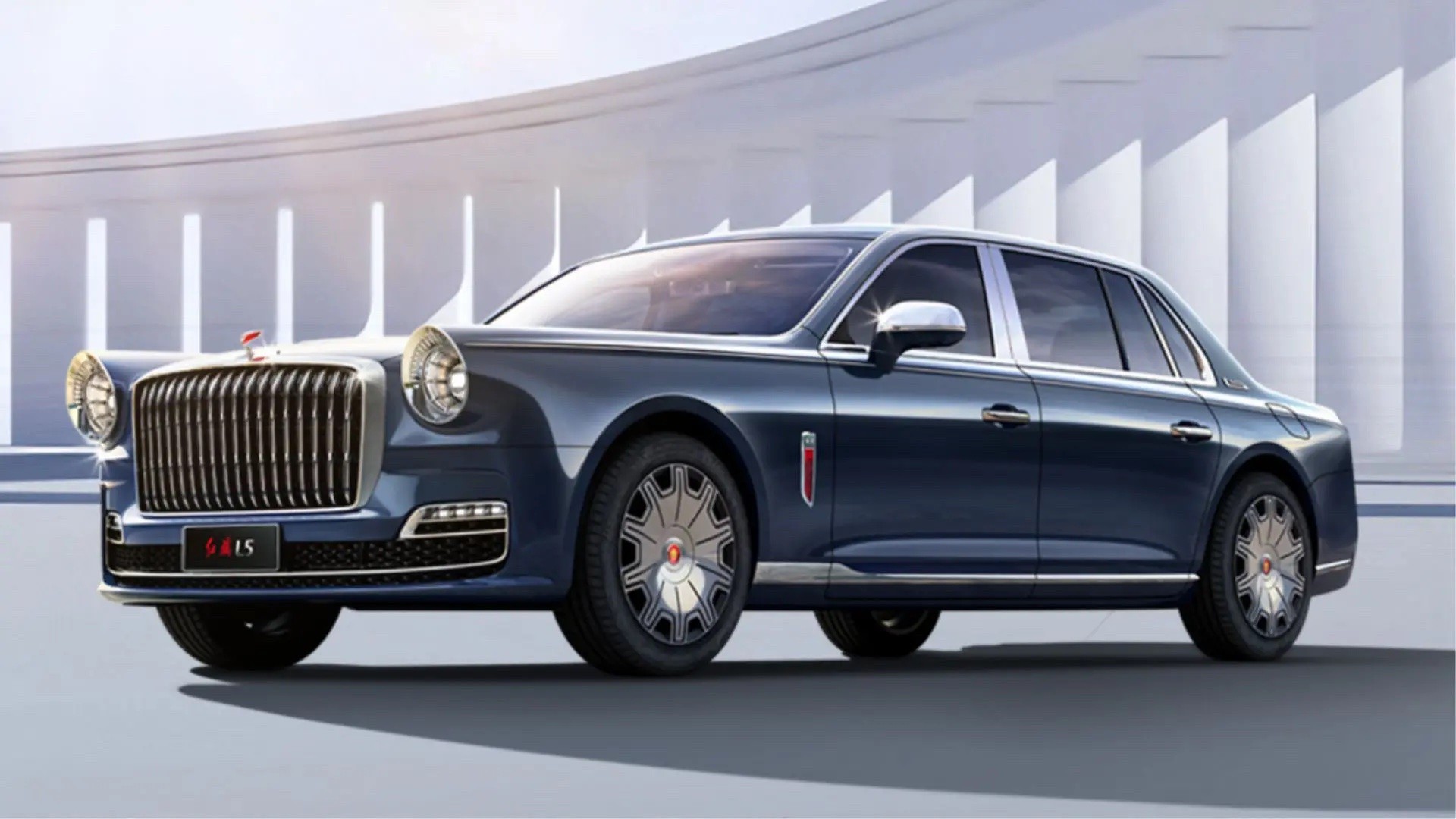
Hongqi, the flagship luxury brand of China’s state-owned automaker FAW Group, has long been a symbol of prestige in its home market. Known for its high-end sedans and SUVs, the brand has struggled to gain traction outside China, where it faces stiff competition from established European and American luxury marques. By partnering with Stellantis, Hongqi gains access to a well-established distribution network across Europe, while Stellantis benefits from diversifying its product lineup without the heavy investment required to develop a new luxury brand from scratch.

The timing of the partnership is notable. Stellantis has been vocal about its commitment to electrification, with CEO Carlos Tavares outlining an ambitious plan to invest €30 billion in EVs and software by 2025. However, the company has likewise faced criticism for its cautious approach to the transition, particularly in light of its recent decision to update its internal combustion engines to meet Euro 7 emissions standards, a move that extends the viability of traditional powertrains beyond 2030. This dual strategy—pursuing both electrification and ICE optimization—reflects Stellantis’ recognition that the transition to EVs will not be uniform across markets or customer segments.
For Hongqi, the partnership represents a rare opportunity to expand into Europe at a time when Chinese automakers are increasingly eyeing global markets. The brand’s vehicles, which blend traditional Chinese design elements with modern luxury, could appeal to European consumers seeking exclusivity. However, Hongqi’s limited brand recognition in Europe poses a challenge, and its success will depend heavily on Stellantis’ ability to market and position the vehicles effectively.
Market Reactions: What Investors Are Watching
Stellantis’ stock has been under pressure in recent months, with shares trading below the €7 mark as of late April 2026. The decline reflects broader concerns about the automaker’s ability to navigate the EV transition, regulatory risks, and competition from both traditional rivals and new entrants like Tesla and Chinese EV manufacturers. The Hongqi partnership has added another layer of complexity to the investment narrative, with analysts divided over its potential impact.
Some investors view the deal as a positive step, arguing that it diversifies Stellantis’ revenue streams and reduces its reliance on mass-market vehicles. By entering the luxury segment, the company could tap into higher-margin sales, which could offset the lower profitability of its mainstream models. The partnership could enhance Stellantis’ bargaining power with suppliers and dealers, particularly as it negotiates the shift toward electrification.
Others, however, see the move as a distraction from Stellantis’ core priorities. The automaker has already faced scrutiny over its decision to develop new Euro 7-compliant diesel engines, a strategy that some analysts argue is at odds with its long-term sustainability goals. The Hongqi partnership could further muddy the waters, raising questions about whether Stellantis is spreading itself too thin across multiple strategic fronts.
One key factor investors are monitoring is the financial terms of the partnership. While neither company has disclosed specifics, industry analysts speculate that Stellantis may have secured favorable terms, given Hongqi’s eagerness to expand into Europe. If the deal includes revenue-sharing or licensing arrangements, it could provide Stellantis with a steady income stream without significant upfront investment. However, if the partnership requires substantial marketing or infrastructure spending, it could weigh on Stellantis’ profitability in the short term.
The Broader Context: China’s Growing Influence in Europe’s Auto Market
The Stellantis-Hongqi partnership is the latest example of Chinese automakers making inroads into Europe, a trend that has accelerated in recent years. Chinese brands like BYD, NIO, and MG have already established a presence in the region, leveraging competitive pricing and advanced EV technology to challenge traditional European automakers. Hongqi’s entry into the market, facilitated by Stellantis, signals a new phase in this competition—one where Chinese brands are targeting the premium segment rather than competing solely on price.
For European automakers, the rise of Chinese competitors presents both a threat and an opportunity. On one hand, Chinese brands are eroding market share in key segments, particularly in the EV space. On the other, partnerships like the one between Stellantis and Hongqi could help European companies access new technologies and markets. For Stellantis, the deal could also serve as a hedge against potential tariffs or trade barriers that might be imposed on Chinese imports in the future.
The European Union has already taken steps to address the competitive threat posed by Chinese automakers. In 2025, the EU launched an anti-subsidy investigation into Chinese EV imports, which could result in tariffs or other trade restrictions. While Hongqi’s vehicles are not currently subject to these measures, the partnership with Stellantis could help the brand avoid potential future barriers by leveraging Stellantis’ local production and distribution capabilities.
What’s Next for Stellantis and Its Investors?
For investors, the Hongqi partnership is just one piece of a larger puzzle. Stellantis’ stock performance will depend on several factors in the coming months, including:
- Execution of the EV strategy: Stellantis has committed to launching 25 new EV models by 2030. Investors will be watching closely to see whether the company can deliver on this promise while maintaining profitability.
- Regulatory developments: The EU’s Euro 7 emissions standards and the 2035 ICE ban will have significant implications for Stellantis’ product lineup. The company’s ability to adapt to these regulations will be critical to its long-term success.
- Market demand for luxury vehicles: The success of the Hongqi partnership will hinge on whether European consumers embrace the brand. Stellantis’ marketing and distribution efforts will play a key role in determining this outcome.
- Financial performance: Stellantis’ next earnings report, expected in late May 2026, will provide insight into the company’s ability to manage costs and maintain margins amid rising competition and regulatory pressures.
In the near term, analysts expect Stellantis’ stock to remain volatile as investors weigh the potential benefits and risks of the Hongqi partnership. While the deal could open new revenue streams, it also introduces execution risks and could divert attention from the company’s core priorities. For now, investors are likely to adopt a wait-and-see approach, closely monitoring Stellantis’ ability to balance its short-term goals with its long-term vision.
Key Takeaways for Investors
- Strategic Diversification: The Hongqi partnership allows Stellantis to enter the luxury segment without the heavy investment required to develop a new brand from scratch.
- Market Volatility: Stellantis’ stock has retreated from the €7 threshold, reflecting broader concerns about the company’s EV transition and regulatory risks.
- Chinese Competition: The deal highlights the growing influence of Chinese automakers in Europe, particularly in the premium segment.
- Regulatory Pressures: Stellantis’ dual strategy—pursuing both electrification and ICE optimization—could face scrutiny as the EU tightens emissions standards.
- Execution Risks: The success of the Hongqi partnership will depend on Stellantis’ ability to market and position the brand effectively in Europe.
What Happens Next?
Stellantis is expected to provide more details about the Hongqi partnership in the coming weeks, including the specific models that will be distributed through its European network. The company’s next earnings call, scheduled for May 28, 2026, will offer further insight into how the deal is being integrated into its broader strategy. Investors should also keep an eye on regulatory developments in the EU, particularly any updates to the anti-subsidy investigation into Chinese EV imports, which could impact Hongqi’s market entry.
For now, the partnership represents a bold bet on the future of the luxury automotive market in Europe. Whether it pays off will depend on Stellantis’ ability to execute its strategy while navigating the challenges of electrification, regulation, and competition. As the story unfolds, investors will be watching closely to see if this move positions Stellantis for long-term success—or if it becomes another distraction in an already complex transition.
What do you believe about Stellantis’ partnership with Hongqi? Will it help the company navigate the challenges of the EV transition, or is it a risky bet on a fading market? Share your thoughts in the comments below and join the conversation.