
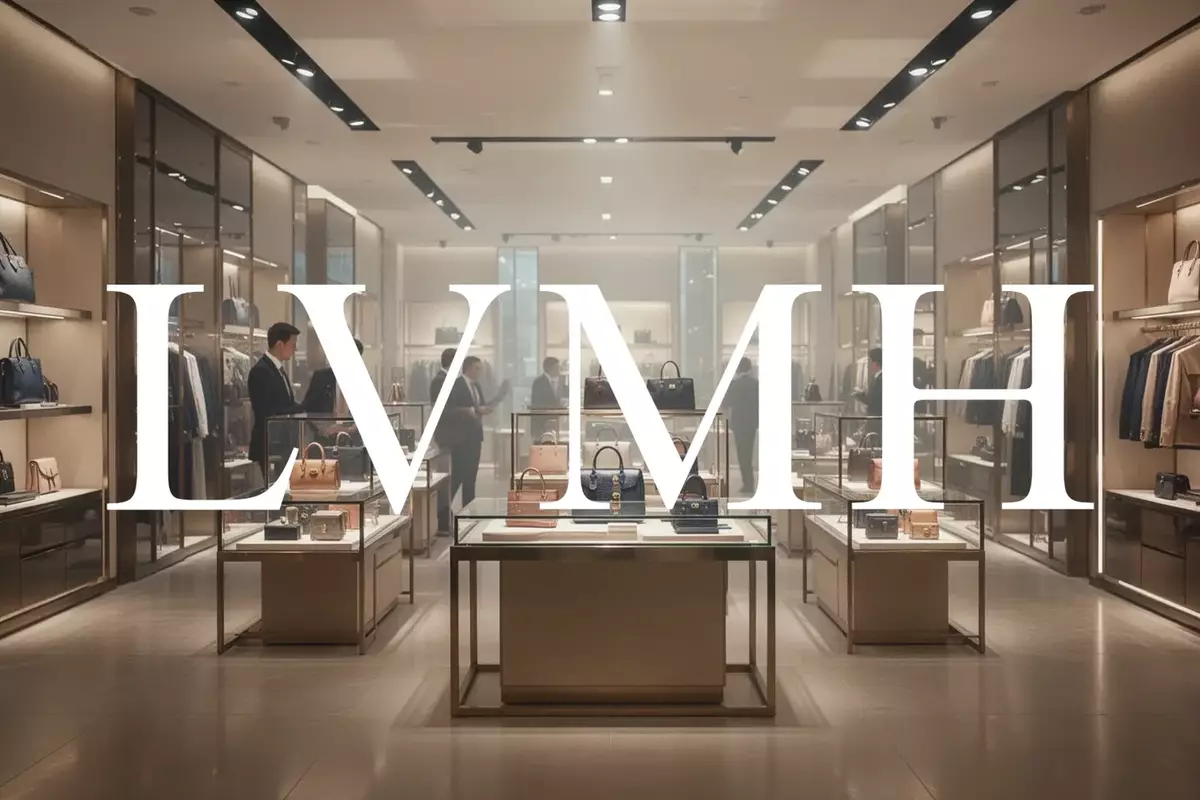
LVMH Moët Hennessy Louis Vuitton, the world’s largest luxury goods conglomerate, is navigating a cooling market for high-end retail as it balances stable demand in its core luxury segment with a noticeable decline in spending from middle-income consumers. The company’s strategic shift includes a significant expansion of its Sephora beauty retail footprint, most notably through its ongoing partnership with Kohl’s, as the group seeks to capture broader market segments amidst global economic volatility.
According to its latest financial reporting, LVMH continues to rely on its prestige brands to anchor revenue, even as inflation and interest rate pressures dampen discretionary spending among non-luxury buyers. The company’s focus on digital transformation and emerging technologies, including blockchain-based product tracking, remains a pillar of its long-term strategy to combat counterfeiting and enhance customer loyalty in a fragmented global landscape.
Strategic Retail Expansion: The Sephora and Kohl’s Partnership
The collaboration between Sephora and Kohl’s represents a critical pivot for LVMH to maintain retail momentum. By integrating Sephora’s prestige beauty offerings into Kohl’s department stores, LVMH has effectively increased its physical accessibility to a wider demographic. This “store-within-a-store” model allows the luxury beauty giant to tap into the foot traffic of traditional retail environments, bypassing the need for standalone luxury boutiques in every regional market.

Data from the company’s recent disclosures indicate that this omnichannel approach is designed to mitigate the risks associated with a reliance on flagship luxury malls. By meeting consumers where they shop for everyday goods, Sephora aims to sustain growth rates even when the broader luxury market experiences cyclical pullbacks. This expansion is part of a broader trend where luxury houses are increasingly diversifying their distribution channels to remain relevant to shifting consumer habits.
Navigating the Middle-Class Spending Slowdown
Market analysts have observed that while ultra-high-net-worth individuals remain largely insulated from economic headwinds, the “aspirational” luxury consumer—the middle-class shopper—has significantly tightened their budget. LVMH’s performance reflects this bifurcation. While brands like Louis Vuitton and Dior continue to see resilient sales, other divisions more sensitive to mid-market trends have faced more rigorous challenges in meeting previous growth targets.

In response, the company has emphasized its commitment to “desirability and exclusivity.” By keeping production controlled and avoiding deep discounting, LVMH management aims to protect the brand equity of its labels. The company’s reliance on digital channels has also allowed it to capture direct-to-consumer data, enabling more precise marketing efforts that target high-lifetime-value customers who are less likely to fluctuate in their purchasing behavior during inflationary periods.
Digital Innovation and Blockchain Integration
As the luxury sector evolves, LVMH has positioned itself as a leader in the adoption of blockchain technology for supply chain transparency. The Aura Blockchain Consortium, an initiative co-founded by LVMH, provides a platform for brands to verify the authenticity of their goods. This technology is increasingly vital as the secondary market for luxury items grows and the risk of sophisticated counterfeiting rises.
Beyond security, these digital investments are aimed at creating a seamless “phygital” (physical and digital) experience. For the modern luxury consumer, the ability to trace the provenance of a handbag or a watch is becoming a standard expectation. By leveraging distributed ledger technology, LVMH intends to maintain a premium experience that extends from the initial point of sale through the entire lifecycle of the product.
What Happens Next for LVMH Investors
The market is currently looking toward the next quarterly earnings call and official regulatory filings for indicators of whether the middle-class spending slump will stabilize in the coming fiscal year. Investors are closely monitoring capital expenditure in digital infrastructure versus traditional brick-and-mortar investments. As the company continues to integrate its various retail segments, the success of the Sephora-Kohl’s partnership will remain a primary metric for analysts assessing the group’s ability to navigate current macroeconomic pressures.

Official updates regarding the company’s global performance and upcoming shareholder meetings are available through the LVMH Investor Relations portal. Shareholders and market observers are encouraged to review these filings for verified, audited data regarding revenue growth and regional market performance.
What are your thoughts on the shift toward mass-market partnerships for luxury brands? Join the conversation in the comments section below.