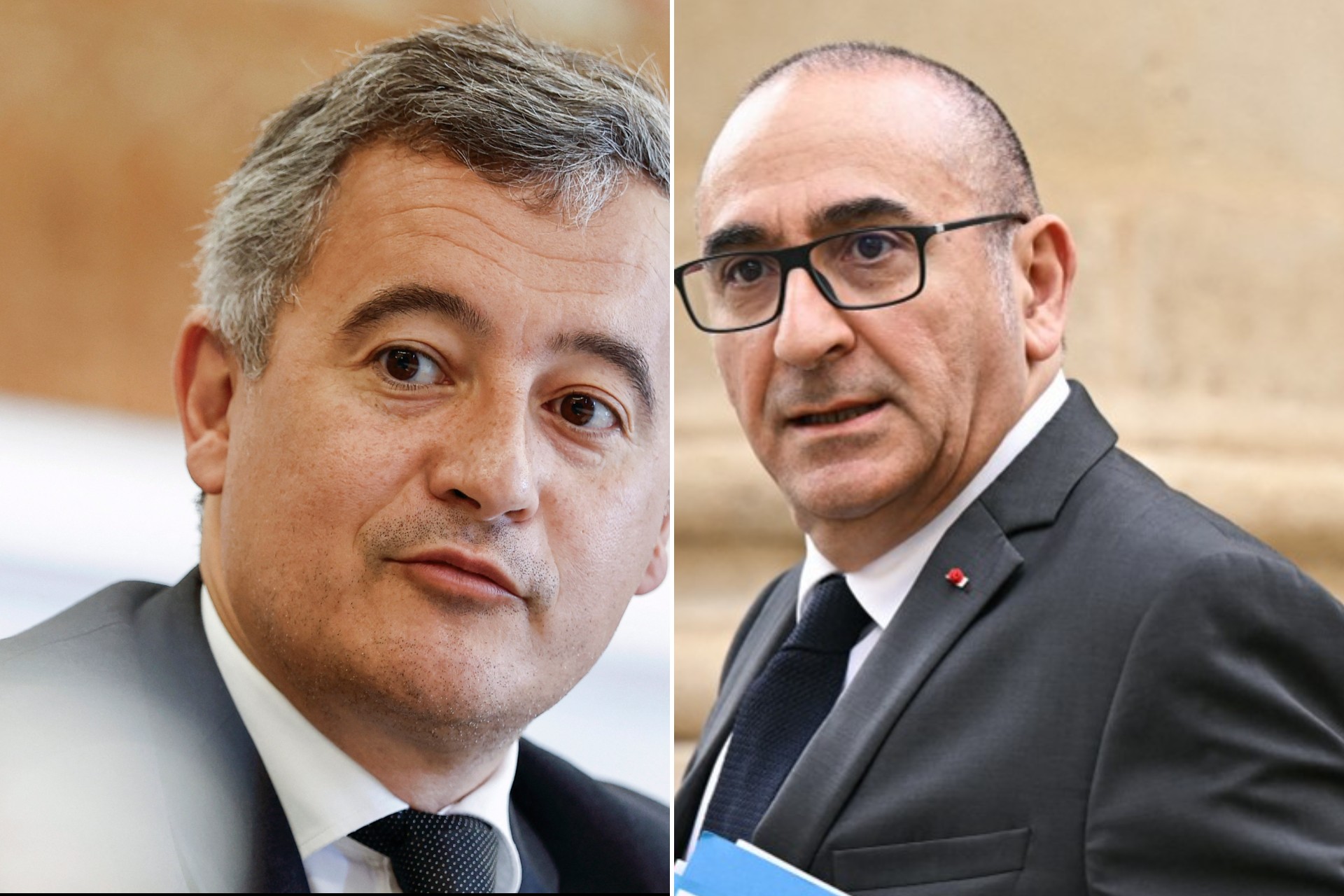
French Interior Minister Gérald Darmanin and National Police Director Laurent Nuñez are scheduled to testify before the Senate on Tuesday morning following the death of a minor, Lyhanna. The inquiry follows intense public pressure and a series of protests across Paris, as citizens demand greater accountability regarding the protection of children from sexual violence.
The Senate hearing marks a critical escalation in a developing national crisis. As lawmakers prepare to question the country’s top security officials, the French government faces simultaneous challenges on the legislative floor and in the streets. The proceedings aim to scrutinize the state’s response to the circumstances surrounding Lyhanna’s death and the broader effectiveness of existing child protection protocols.
Senate Inquiry: Darmanin and Nuñez to Face Questioning
The French Senate has confirmed that Interior Minister Gérald Darmanin and Laurent Nuñez, the Director General of the National Police, will undergo questioning during a scheduled session on Tuesday morning. This hearing is a direct response to the growing controversy surrounding the Lyhanna case, which has ignited questions about the adequacy of police intervention and the oversight of child safety measures.
Lawmakers are expected to focus on the coordination between domestic intelligence and local law enforcement. The inquiry will likely examine whether systemic failures contributed to the tragic outcome for Lyhanna and if current reporting mechanisms for sexual violence against minors are functioning as intended. While the specific agenda for the session remains under deliberation, the presence of both the political head of the Interior Ministry and the operational head of the National Police underscores the gravity of the investigation.
This legislative scrutiny comes at a time of heightened tension between the executive branch and parliamentary oversight committees. For the Senate, the hearing serves as a primary mechanism to ensure that the Ministry of the Interior remains answerable to the public regarding its fundamental duty to protect vulnerable citizens.
Political Turmoil: Darmanin Rejects Calls for Resignation
Despite mounting criticism from political opponents and civil society groups, Interior Minister Gérald Darmanin has signaled that he will not step down from his position. Addressing the intense pressure following the Lyhanna case, Darmanin has called for a “mobilization générale” (general mobilization) to address the issues at hand, rather than a change in leadership.
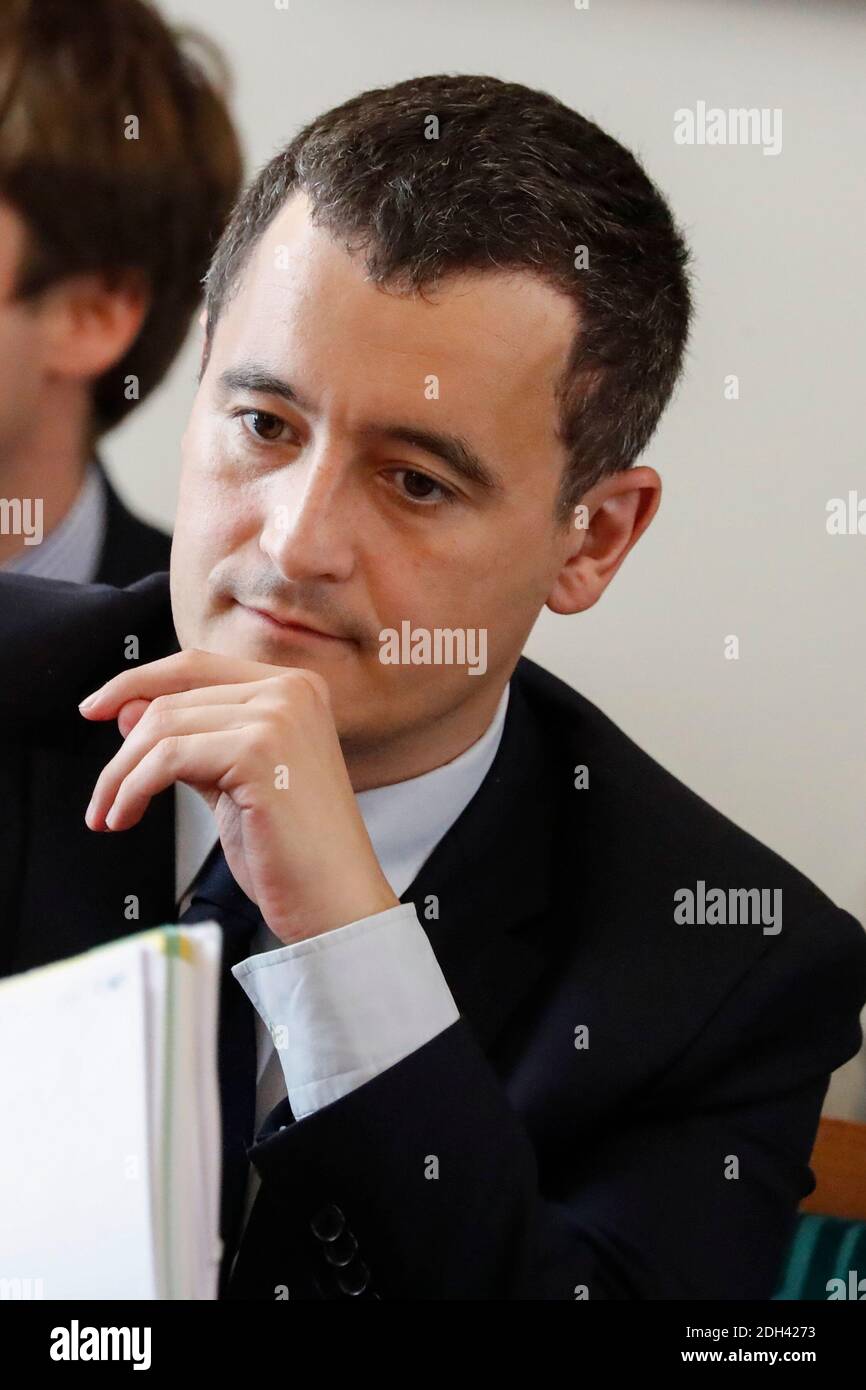
The Minister’s stance has drawn significant scrutiny. Critics argue that his refusal to resign undermines the demand for accountability, while supporters suggest that his leadership is necessary to implement the very reforms the public is demanding. By framing the crisis as a need for national mobilization, Darmanin is attempting to shift the focus from individual ministerial responsibility to a collective, state-wide effort to improve child protection frameworks.
The political landscape in Paris remains volatile. Opposition leaders have suggested that the “mobilization” requested by the Minister must include structural changes to how the state handles reports of violence against children, rather than just increased rhetoric. The upcoming Senate hearing is widely viewed as a litmus test for Darmanin’s ability to defend his ministry’s record under intense parliamentary pressure.
Public Unrest: Protests Shift Locations Across Paris
The death of Lyhanna has triggered widespread demonstrations in the French capital, characterized by shifting locations as authorities attempt to manage the scale of the public outcry. What began as planned gatherings at major landmarks has evolved into a more fluid series of protests, reflecting the unpredictability of the current social climate.
On Monday evening, several planned demonstrations in Paris were relocated by organizers and local authorities. A gathering originally intended to take place in front of the Ministry of Justice was moved to Place Louis-Lépine. Similarly, a protest scheduled for Place Vendôme at 7:00 PM was redirected to the Île de la Cité. These movements suggest a highly active and mobile protest movement that is reacting in real-time to police presence and administrative restrictions.
- Original Location: Ministry of Justice → Relocated to: Place Louis-Lépine
- Original Location: Place Vendôme → Relocated to: Île de la Cité
The presence of large crowds in these historic areas has necessitated significant police deployment. While the demonstrations are ostensibly focused on the Lyhanna case, they have become a broader platform for expressing dissatisfaction with the state’s handling of child safety and the perceived lack of justice for victims of sexual violence.
The Broader Crisis: Allegations of Institutional Denial
The Lyhanna case has transcended a single criminal investigation, becoming a symbol of what some activists describe as a systemic “denial” within French institutions regarding the protection of children. The former president of the Ciivise (the Commission for the investigation on the independence of the judiciary) has publicly criticized the current state of affairs, alleging that there is a profound failure to acknowledge the reality of sexual violence faced by minors.
This criticism points toward a deeper, structural issue: the gap between legislative intent and the practical reality of child protection. Advocates argue that even when laws are in place, the implementation—through police reporting, judicial follow-through, and social services—often fails the most vulnerable. The term “déni” (denial) used by former officials highlights a sentiment that the state is not just failing to act, but is actively failing to recognize the scale and severity of the problem.
The intersection of this institutional criticism with the current political crisis creates a complex challenge for the French government. To restore public trust, the administration may need to move beyond “mobilization” and toward tangible, measurable reforms in how the justice and security sectors interact with cases involving child victims.
Key Developments in the Lyhanna Case
| Event / Action | Status / Detail | Timeline |
|---|---|---|
| Senate Hearing | Scheduled for Gérald Darmanin & Laurent Nuñez | Tuesday Morning |
| Ministerial Response | Called for “general mobilization”; refused resignation | Ongoing |
| Paris Protests | Relocated to Place Louis-Lépine and Île de la Cité | Monday Evening |
| Institutional Criticism | Allegations of “denial” regarding child sexual violence | Developing |
As the nation awaits the results of the Senate hearing, the focus remains on whether the French government can translate political promises into systemic changes that provide genuine security for children. The outcome of Tuesday’s testimony will likely dictate the direction of the political response and the intensity of future public demonstrations.
Next Confirmed Checkpoint: The Senate hearing involving Gérald Darmanin and Laurent Nuñez is scheduled to commence on Tuesday morning.
What are your thoughts on the government’s response to this crisis? Should leadership changes be a priority, or is a “general mobilization” the correct path? Share your comments below and share this report to keep the conversation going.
Worth a look