
Macadamia nuts are increasingly recognized in nutritional science for their high concentration of monounsaturated fats and essential micronutrients, which may support cardiovascular health and metabolic function. As medical research continues to evolve, these tree nuts—native to Australia—have become a subject of interest for their potential role in dietary patterns aimed at reducing systemic inflammation and improving lipid profiles. According to the American Heart Association, incorporating nuts as part of a heart-healthy diet can contribute to better long-term health outcomes when consumed in moderation as a replacement for less healthy fats.
From a clinical perspective, the nutritional profile of macadamias is distinct due to their high content of oleic acid, a monounsaturated fatty acid also found in olive oil. My clinical experience at Charité – Universitätsmedizin Berlin suggests that while no single “superfood” can replace a comprehensive dietary strategy, the nutrient density of macadamias offers a practical way to increase intake of beneficial fats. It is important for patients to note that these nuts are calorie-dense; therefore, portion control remains a fundamental aspect of their inclusion in any balanced nutrition plan.
Cardiovascular Benefits and Lipid Profiles
The primary health interest surrounding macadamia nuts lies in their lipid composition. Research published in the Journal of Nutrition indicates that diets enriched with macadamia nuts may help maintain healthy cholesterol levels. Specifically, the monounsaturated fat content is associated with a reduction in low-density lipoprotein (LDL) cholesterol, often referred to as the “bad” cholesterol, without significantly affecting high-density lipoprotein (HDL) or “good” cholesterol levels.
Maintaining a healthy lipid profile is a cornerstone of preventing cardiovascular disease. Clinical guidelines emphasize that replacing saturated fats with monounsaturated fats—such as those found in macadamia nuts—is a recommended strategy for managing heart health. However, as with all dietary interventions, these benefits are most effective when part of a broader lifestyle that includes regular physical activity and a diet rich in whole grains, vegetables, and lean proteins.
Nutrient Density and Brain Health
Beyond heart health, macadamia nuts provide essential nutrients that support general physiological function, including manganese, thiamin, and copper. Manganese, in particular, is a trace mineral that acts as a cofactor for various enzymes involved in metabolism and antioxidant defense, as noted by the National Institutes of Health (NIH) Office of Dietary Supplements. While some consumer discussions highlight the potential for nuts to “boost” brain health, current evidence focuses primarily on the role of overall healthy dietary patterns—such as the Mediterranean or DASH diets—in supporting cognitive longevity rather than the isolated impact of a single food item.

The presence of antioxidants, including various forms of vitamin E, helps mitigate oxidative stress at a cellular level. Oxidative stress is implicated in the progression of several chronic conditions, and while the body has its own defense mechanisms, dietary intake of antioxidants is a standard recommendation for supporting long-term health. It is essential to approach nutritional claims with a critical eye, prioritizing verified clinical data over generalized health trends.
Dermatological Considerations and Skin Health
The application of macadamia oil in cosmetic and dermatological products is common due to its high palmitoleic acid content, an omega-7 fatty acid. According to the American Academy of Dermatology, maintaining the skin’s moisture barrier is essential for preventing dryness and irritation. Palmitoleic acid is often cited for its ability to mimic the skin’s natural sebum, making it a popular ingredient in topical formulations aimed at moisturizing and protecting the skin barrier.
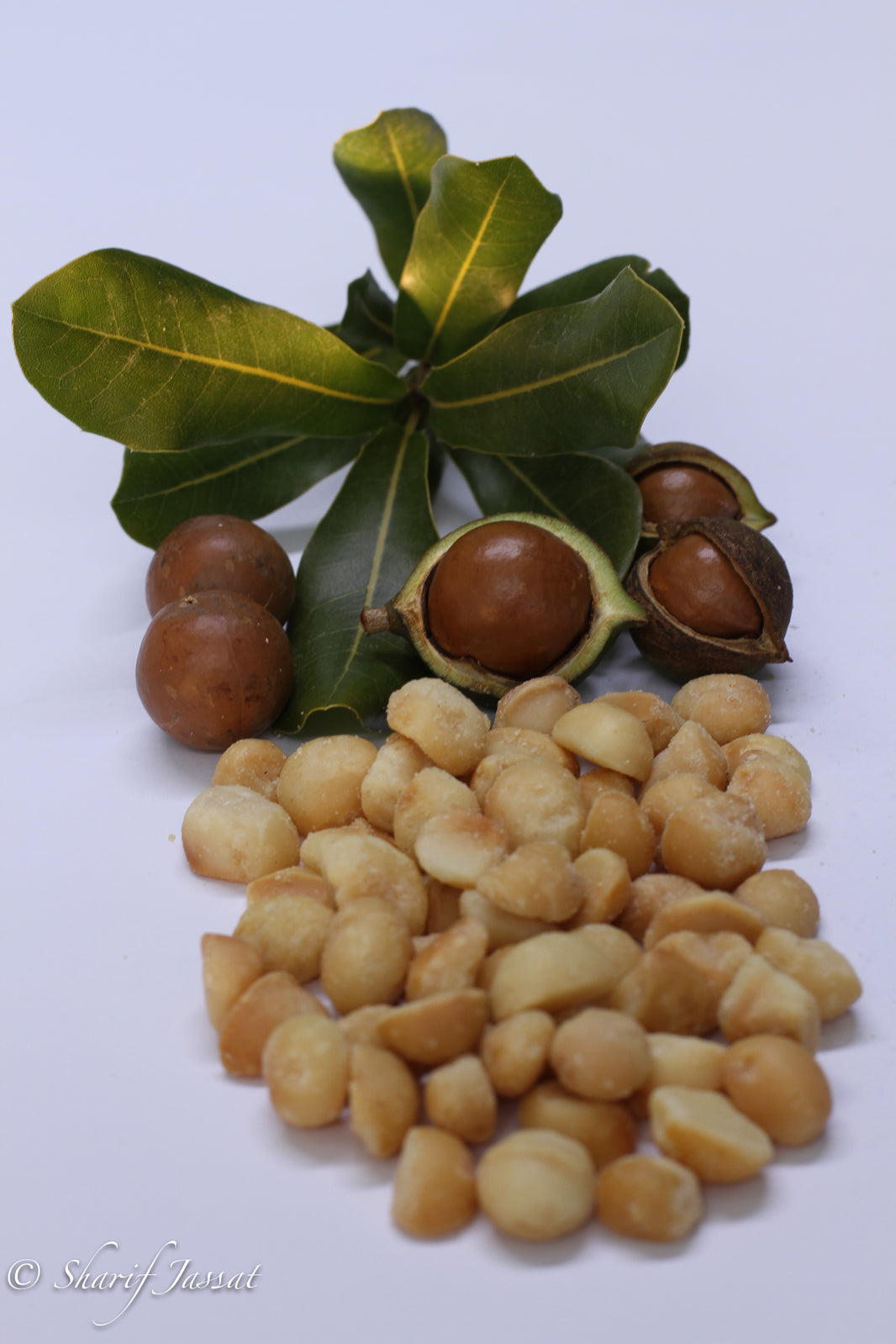
While topical application of macadamia-based products can be effective for hydration, the systemic benefits of consuming the nuts for skin health are less clearly defined in clinical literature. Most dermatological health is governed by systemic hydration, balanced nutrition, and protection from ultraviolet radiation. Patients should view macadamia oil as a helpful tool for topical skin care rather than a curative treatment for underlying dermatological conditions.
Practical Dietary Integration
For individuals looking to incorporate macadamia nuts into their diet, moderation is the most critical factor. Due to their high caloric density—approximately 200 calories per ounce—they should be consumed in small quantities. A standard serving size is typically one ounce, or about 10 to 12 kernels.
When selecting macadamia products, it is advisable to choose raw or dry-roasted varieties rather than those coated in excessive salt, sugar, or hydrogenated oils. These additives can negate the heart-healthy benefits of the nut’s natural fat profile. As we continue to track developments in nutritional science, readers are encouraged to consult with registered dietitians or healthcare providers to tailor dietary changes to their specific health needs and medical histories.
The intersection of nutrition and chronic disease prevention remains a dynamic field of study. Future clinical trials may provide more granular data on the long-term impacts of specific nut consumption on metabolic markers. For now, the integration of macadamia nuts into a varied, plant-forward diet serves as a sound nutritional choice for most individuals. Please share your thoughts in the comments section below or join the conversation on our social platforms as we continue to monitor updates in medical research.
Keep reading