
Swedish broadcaster TV4 has confirmed that it will implement commercial breaks during scheduled hydration breaks in its sports broadcasts, a move that alters the viewing experience for major televised events. The decision follows internal policy reviews regarding ad placement during live athletic competitions, where pauses for water and tactical adjustments have traditionally remained commercial-free on the network.
The shift in broadcasting strategy comes as media companies face increasing pressure to maximize revenue during peak viewership hours. According to official statements from the broadcaster, these hydration intervals—often referred to in football and other high-intensity sports as “cooling breaks”—will now be utilized to air short advertising segments. This policy adjustment aligns with broader industry trends where broadcasters are seeking new inventory within live sports, a sector that remains one of the few areas of television maintaining high, real-time engagement figures.
Strategic Shift in Broadcast Revenue
The decision to monetize these specific gaps in play reflects a tightening of advertising standards across the European media landscape. TV4, a major player in the Swedish market, has indicated that the transition is intended to streamline the flow of content while maintaining the integrity of the match itself. By inserting advertisements into existing breaks rather than interrupting active play, the network maintains it is adhering to international broadcasting standards set by regulatory bodies like the Swedish Press and Broadcasting Authority (Myndigheten för press, radio och tv).
Industry analysts note that sports rights, particularly for top-tier football leagues and international tournaments, have seen significant cost increases over the past decade. To offset these expenditures, broadcasters are increasingly looking at “micro-breaks” within games. While these breaks were originally introduced for player safety and welfare—often mandated when temperatures exceed specific thresholds—they have evolved into tactical components of the game, providing coaches time to adjust formations and strategies.
Viewer Experience and Industry Standards
For the average viewer, the change means that the traditional “dead time” during a hydration break will now feature sponsored content. This mirrors practices long established in North American sports, such as the National Football League (NFL) or the National Basketball Association (NBA), where commercial timeouts are a foundational element of the broadcast structure. However, the introduction of this practice in European football coverage remains a sensitive topic among purists who argue that the flow of the game should be prioritized over commercial interests.
The Union of European Football Associations (UEFA) maintains strict guidelines regarding how matches are presented to global audiences, though individual national broadcasters often retain control over the specific placement of ads during domestic broadcasts. TV4’s move suggests a calculated risk that the disruption to the viewer experience will be minimal compared to the financial benefits gained from the additional advertising slots.
Regulatory Oversight and Compliance
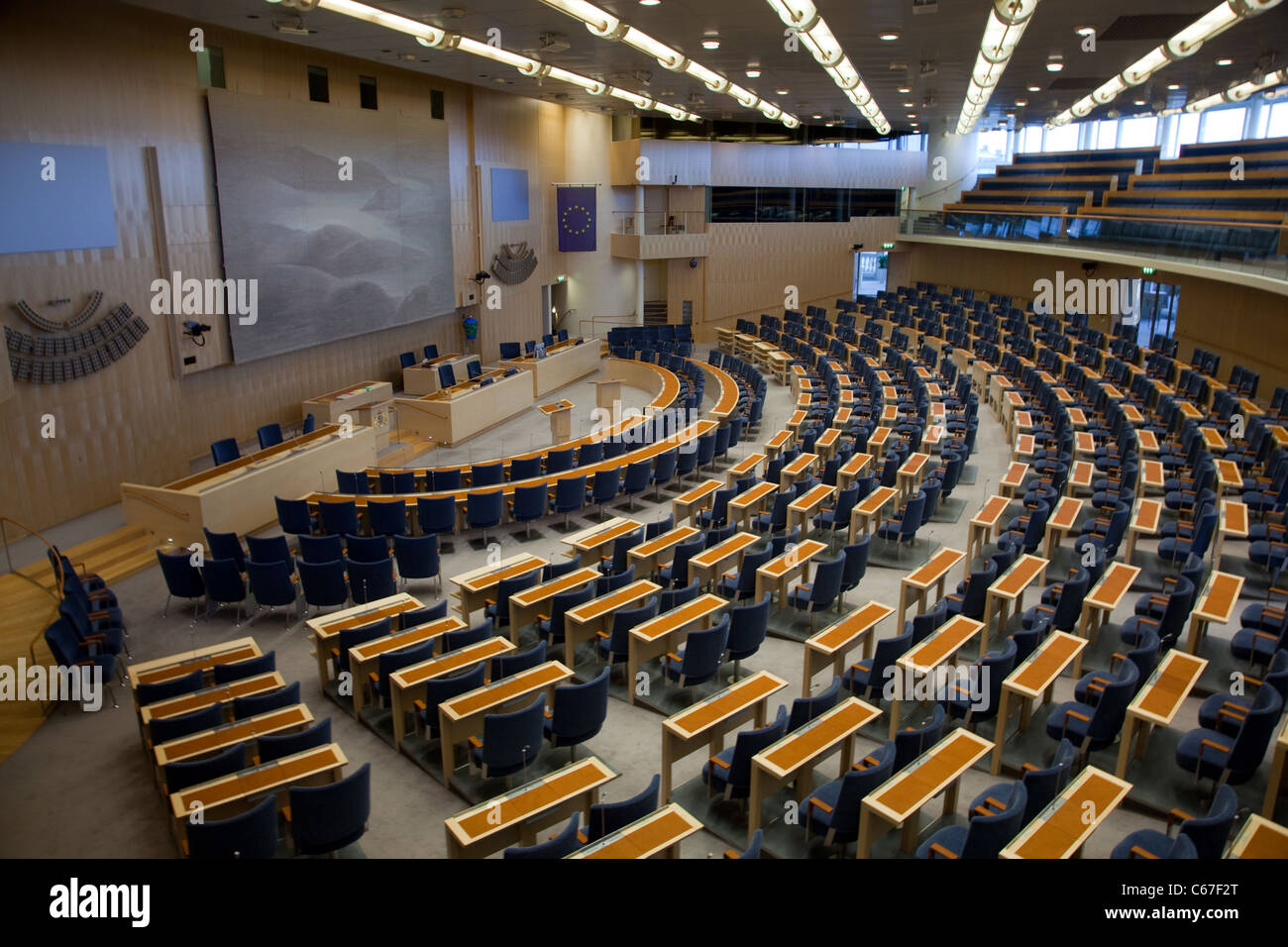
Broadcasting in Sweden is governed by the Radio and Television Act, which sets clear boundaries on the amount and frequency of advertising permitted per hour. According to the Swedish Parliament, broadcasters are permitted to air a maximum of 12 minutes of advertising per hour of programming. The inclusion of ads during hydration breaks must remain within these statutory limits, ensuring that the total volume of commercials does not exceed legal thresholds.
The network is expected to continue monitoring viewer feedback as they integrate these breaks into their upcoming sports calendar. As the sports media landscape evolves, the focus remains on balancing the financial realities of high-cost broadcasting rights with the expectations of a global audience that values uninterrupted live action. Future updates regarding broadcasting schedules and any further adjustments to ad placement policies will be posted via the official TV4 press portal.
We welcome your perspective on these changes. How do you feel about the intersection of commercial breaks and live sports? Please share your thoughts in the comments section below or join the conversation on our social media channels.
Keep reading