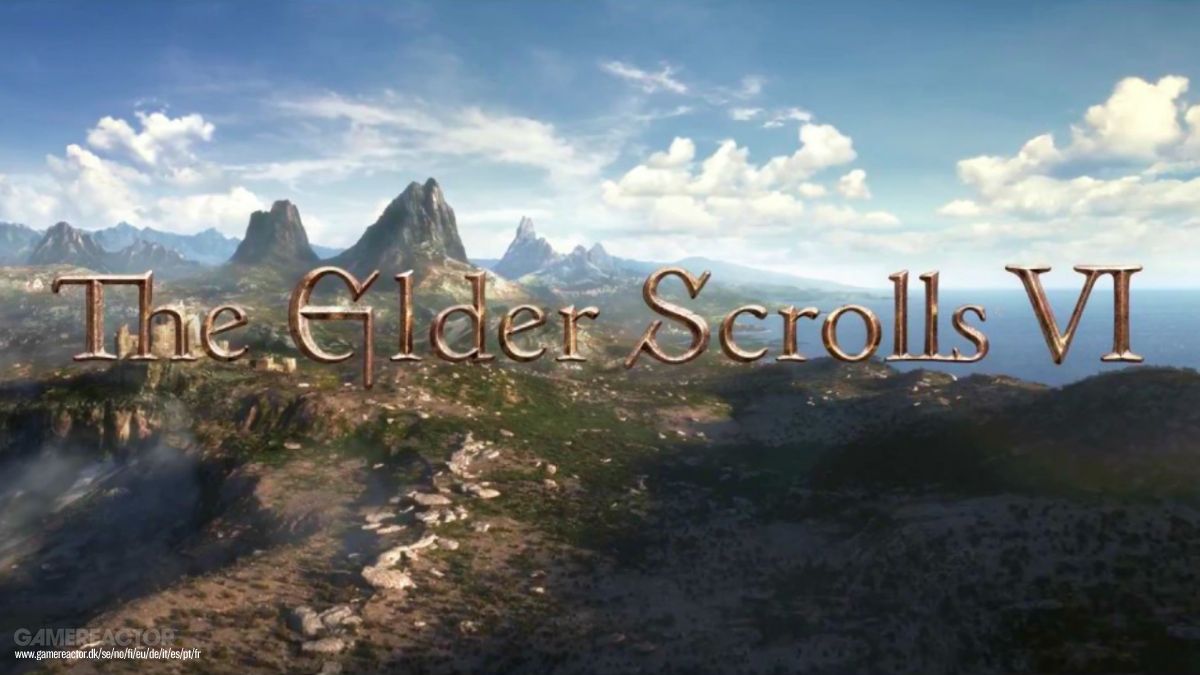
The absence of highly anticipated titles such as Marvel’s Blade and The Elder Scrolls VI from recent Xbox showcase events remains a primary point of discussion for the gaming community. As of mid-2026, Microsoft and its subsidiary, Bethesda Softworks, have maintained a focused release strategy that prioritizes titles currently nearing completion or those within an established marketing window. Industry analysts note that this approach is consistent with a broader shift in how major publishers manage development cycles to avoid premature announcements and the associated pressure on production teams.
According to official statements from Microsoft Gaming, the company continues to refine its internal roadmap to ensure that major intellectual properties receive dedicated spotlight events rather than being grouped into broader showcases. This strategy, often referred to as “staggered reveals,” allows the developer to maintain quality control while managing consumer expectations regarding long-term projects. The official Xbox News portal serves as the primary repository for confirmed release schedules and event participation, reflecting the company’s current policy on transparency regarding project status.
Development Cycles and Strategic Transparency
The development of The Elder Scrolls VI has been a subject of intense public interest since its initial teaser announcement. Bethesda Game Studios, led by Todd Howard, has historically utilized long development cycles to ensure the scale of their open-world RPGs meets internal benchmarks. Reports from official Bethesda communications confirm that the studio is currently balancing resources between ongoing support for Starfield and the active development of the next entry in the Elder Scrolls franchise. For many observers, the absence of the game from recent showcases is not indicative of development delays, but rather a deliberate choice to withhold gameplay footage until the title reaches a “polished” state.
Similarly, Marvel’s Blade, currently in development at Arkane Lyon, represents a significant investment for the studio. Following the release of Deathloop, the team shifted its focus toward this new project. In the current industry climate, major publishers are increasingly cautious about showing “work-in-progress” footage too early, as it can lead to public backlash if final products differ from initial trailers. Consequently, the decision to omit these titles from recent showcases suggests a transition toward “closer-to-launch” marketing campaigns, a strategy adopted by several major players in the gaming sector to maintain sustained hype.
The Evolution of Xbox Exclusive Strategy
Microsoft’s broader platform strategy has also undergone significant changes. Following the acquisition of ZeniMax Media and Activision Blizzard, the company has emphasized a “platform-agnostic” approach to service availability, while keeping specific blockbuster titles as console and PC exclusives. Data from the Microsoft Investor Relations page highlights that the company is aiming to maximize the reach of its Game Pass subscription service while simultaneously driving hardware engagement through exclusive content. This duality defines the current Xbox ecosystem, where the value proposition is split between software accessibility and high-fidelity, hardware-specific experiences.
Market analysts monitoring the gaming sector observe that this dual-track strategy is designed to stabilize revenue streams in a volatile market. By keeping high-profile games like the upcoming Elder Scrolls title exclusive to Xbox and PC, Microsoft incentivizes long-term ecosystem loyalty. Meanwhile, the integration of back-catalog titles, such as the Spyro series, serves to bolster the Game Pass library, providing consistent value to subscribers even during gaps in the release of new, large-scale AAA projects.
Managing Expectations in a Post-Showcase Environment
For the consumer, the lack of information on specific high-profile titles can lead to speculation. However, industry trends suggest that the era of annual, massive “E3-style” information dumps is being replaced by smaller, more frequent updates. This allows Microsoft to control the narrative around its projects more effectively. The recent focus on smaller, high-quality titles and limited-edition hardware bundles indicates that the company is currently prioritizing “community engagement” over the “hype-heavy” marketing cycles of the past decade.
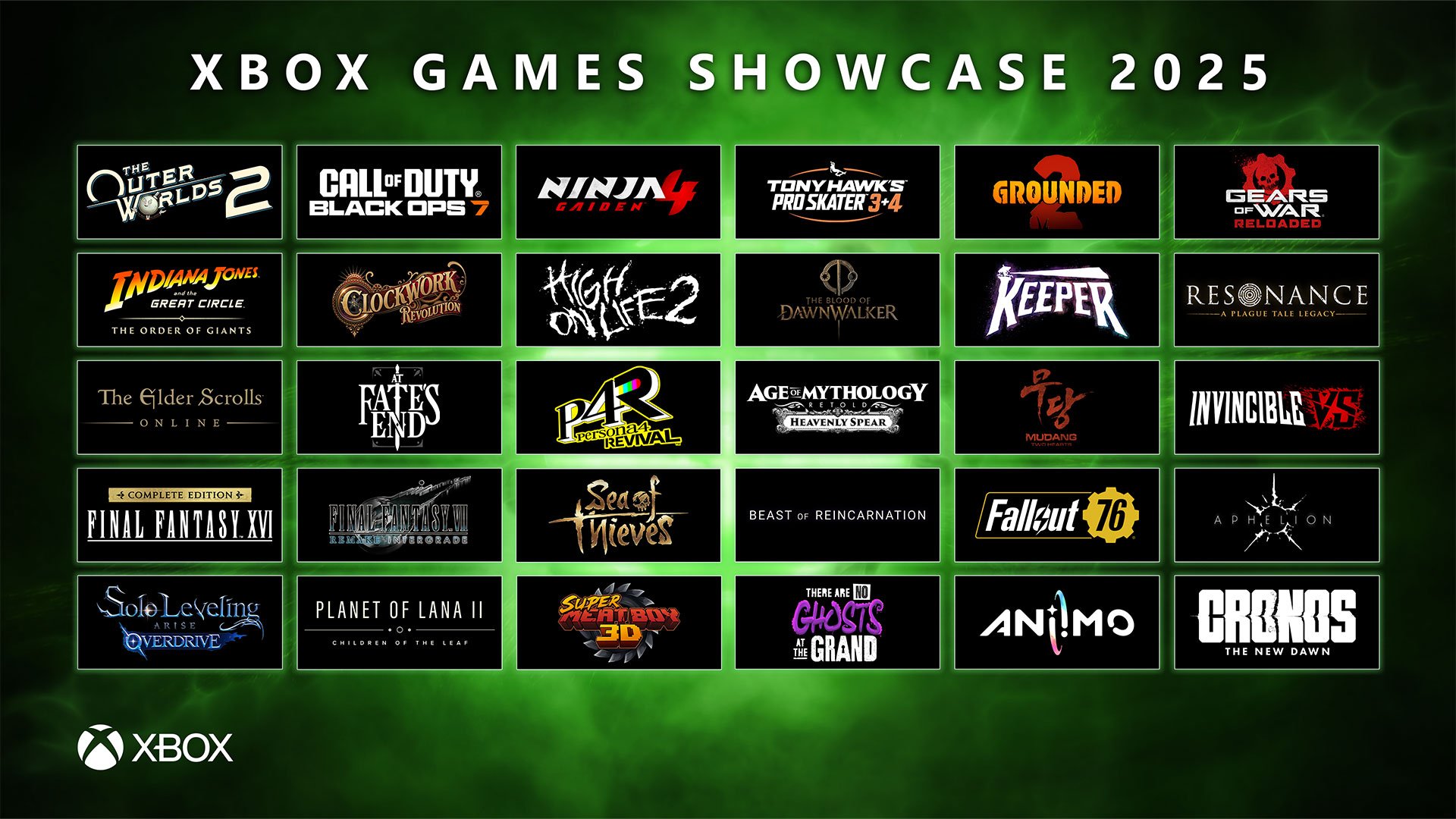
Those seeking the most accurate information regarding upcoming releases should monitor official channels. Microsoft has stated that it will continue to provide updates through its dedicated showcase events and developer diaries. As the industry moves into the latter half of 2026, the focus will likely shift from what was absent from previous events to what is scheduled for the upcoming fiscal cycle. Readers are encouraged to share their thoughts on the current state of game marketing and whether they prefer the “surprise reveal” model or the traditional long-lead promotional cycle in the comments below.
The next major update regarding Microsoft’s first-party software lineup is expected to align with the company’s quarterly earnings report and subsequent developer showcase, typically scheduled for the fall season. Official announcements regarding project milestones will be posted directly to the Xbox official news wire as they become available.
Related reading