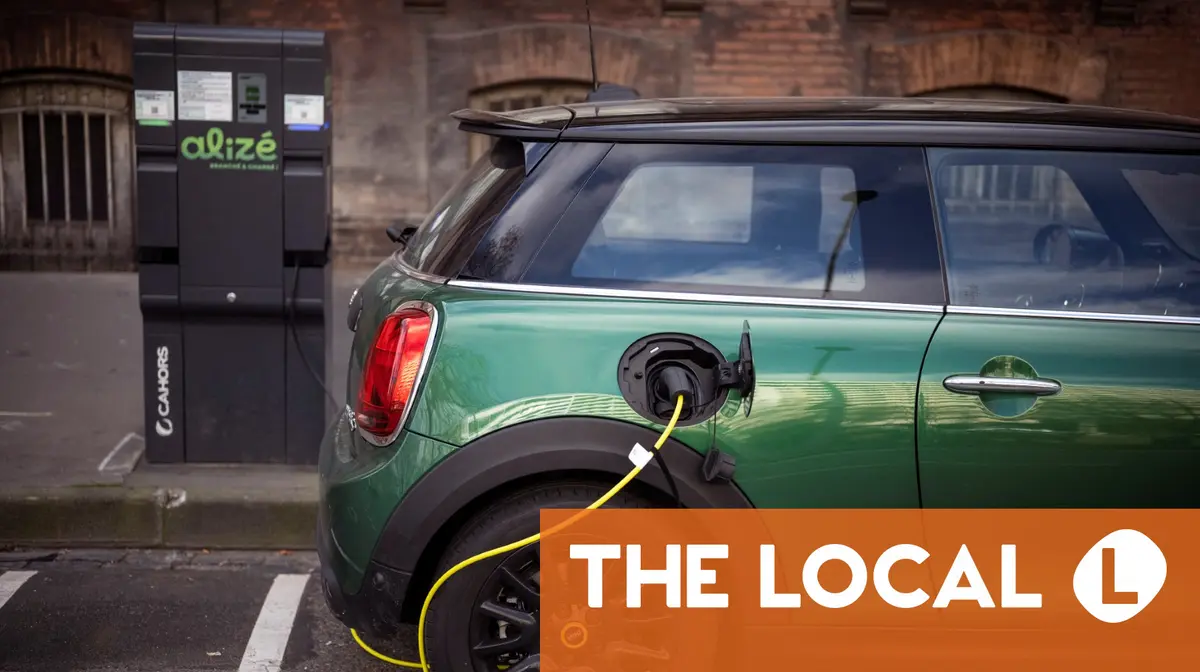
France is accelerating its transition toward sustainable mobility as part of a broader European effort to phase out internal combustion engine vehicles. In a strategic move to bolster the nation’s green infrastructure, the French government has confirmed plans to significantly expand the availability of electric vehicle (EV) charging stations. By 2030, the country aims to have a total of 400,000 public charging points in operation, a target that includes the deployment of 240,000 additional units supported by private sector operators.
This initiative represents a cornerstone of President Emmanuel Macron’s environmental policy, which seeks to reconcile industrial competitiveness with ambitious climate goals. As the automotive industry shifts toward battery-electric technology, the primary hurdle for many motorists remains “range anxiety”—the fear of running out of power far from a charging station. By densifying the national network, Paris intends to provide the necessary peace of mind to encourage a mass migration away from fossil fuel vehicles.
According to the French Ministry of Ecological Transition, the government is focusing on both urban centers and major transit corridors to ensure that EV ownership is viable for rural and suburban residents alike. This expansion is essential to meeting the European Union’s broader objective of achieving carbon neutrality by 2050, a commitment that mandates a drastic reduction in transport-related emissions across all member states.
Infrastructure Targets and the Road to 2030
The commitment to add 240,000 charging points is not merely a political aspiration but a coordinated effort involving energy providers, automotive manufacturers, and local authorities. As of early 2024, France has made significant strides, crossing the milestone of 100,000 publicly accessible charging points, a goal that was originally set for 2021 but achieved in 2023. This progress is documented by the Avere-France association, which tracks the deployment of charging infrastructure across the country.
The scale of the 2030 objective necessitates a rapid deployment of high-power charging (HPC) stations. These “fast chargers” are critical for long-distance travel, as they can replenish a significant portion of an EV battery in the time it takes to stop for a coffee or a quick meal. The government’s strategy emphasizes the placement of these units along the extensive motorway network, ensuring that the transition to electric travel does not compromise the fluidity of movement across the French territory.
the government has implemented financial incentives, such as the ADEME-managed programs, to help businesses and local municipalities offset the high costs of installation. These subsidies are designed to lower the barrier to entry for smaller operators, thereby fostering a competitive market that keeps charging prices manageable for the end consumer.
Addressing the Challenges of Grid Capacity
While the physical installation of chargers is the most visible aspect of this transition, the behind-the-scenes work involves significant upgrades to the national electricity grid. The French transmission system operator, RTE (Réseau de Transport d’Électricité), has underscored the importance of “smart charging” technologies. These systems allow for the optimization of power distribution, ensuring that the surge in demand from thousands of EVs charging simultaneously does not destabilize the grid during peak hours.

The integration of renewable energy sources—specifically wind and solar—is being prioritized to ensure that the electricity fueling these vehicles is as clean as the vehicles themselves. This “well-to-wheel” approach is vital for the credibility of the decarbonization strategy. If the electricity used to charge an EV is generated by coal or natural gas, the environmental benefits are significantly diminished. The expansion of the charging network is being developed in tandem with France’s ongoing investment in nuclear and renewable energy infrastructure.
Who is Affected and What Happens Next?
The beneficiaries of this massive infrastructure investment include not only the everyday commuter but also the logistics and transport sectors. As fleet operators move to comply with new regulations—such as the EU’s Clean Vehicles Directive—the availability of widespread, reliable charging becomes an operational necessity. For the individual driver, the expansion means that the transition to an electric vehicle becomes a practical, rather than idealistic, choice.
However, the rollout is not without its critics. Concerns have been raised regarding the maintenance of existing chargers and the standardization of payment systems. To address these issues, the government has mandated that all new public charging stations must be accessible via universal payment methods, such as credit cards, eliminating the need for drivers to subscribe to dozens of different provider apps.
Looking ahead, the next significant checkpoint for this project will be the annual review of the national charging infrastructure roadmap, expected later this year. This report will provide updated figures on the number of new installations and identify any regions where the deployment is lagging behind the 2030 schedule. As we move closer to the end of the decade, the success of this plan will serve as a bellwether for other nations attempting to modernize their transport sectors in the face of the climate crisis.
What are your thoughts on the transition to electric mobility in your region? Are you finding it easier to locate charging stations in your daily commute? Please share your experiences and insights in the comments section below.