## The Shifting Sands of the Israeli-Palestinian Conflict: France’s Stance on west Bank Annexation in 2025
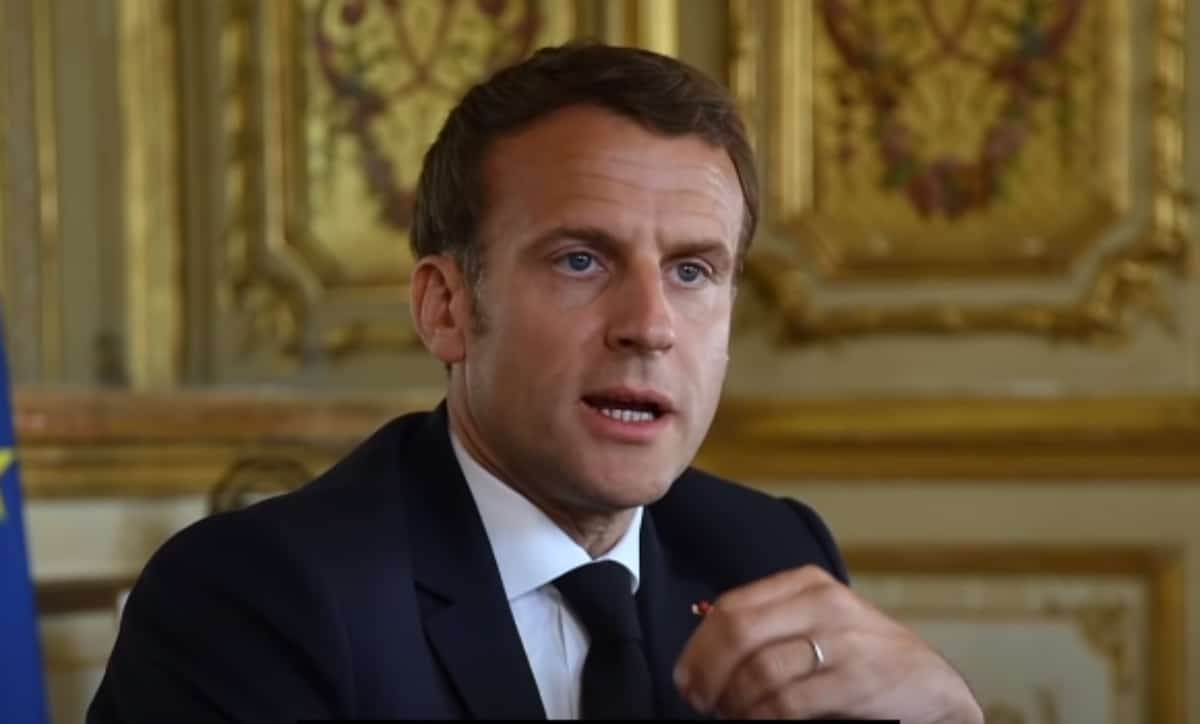
The ongoing Israeli-Palestinian conflict remains a critical geopolitical flashpoint, and recent developments concerning potential annexation of territory in the West Bank have prompted strong reactions from the international community. As of November 11, 2025, French President Emmanuel Macron has unequivocally stated that any Israeli plans for annexation – whether complete or partial, legally sanctioned or effectively implemented – would represent a important transgression, triggering a coordinated European response. This declaration, made following a meeting with Palestinian President Mahmud Abbas in Paris, underscores the growing international concern over escalating tensions and the potential for further destabilization in the region. This article will delve into the nuances of this situation, examining the implications of potential annexation, the legal framework surrounding settlements, and the broader geopolitical context.
### Understanding the “Red Line”: France’s Position and European Implications
Macron’s firm warning frames annexation as a red line
,a term signifying a point beyond which unacceptable consequences will follow. This isn’t merely rhetorical posturing; it signals a willingness to enact tangible repercussions, likely in concert with other European nations. The precise nature of these responses remains unspecified, but potential measures could include diplomatic sanctions, economic restrictions, or a reassessment of trade agreements.
the meaning of a unified European stance cannot be overstated. While individual European nations have historically held varying perspectives on the conflict, a collective response carries considerably more weight. the European Union, as a major economic and political bloc, wields significant influence, and its coordinated action could significantly impact Israel’s strategic calculations. This stance reflects a growing frustration within Europe regarding the perceived stagnation of the peace process and the continued expansion of Israeli settlements, which are widely considered obstacles to a two-state solution.
### The Legal Landscape of West Bank Settlements and annexation
The core of the issue lies in the legal status of Israeli settlements in the West Bank. Under international law,as affirmed by numerous UN resolutions – including UN Security Council Resolution 2334 (2016) – the establishment of settlements in occupied territories is considered a violation of the Fourth Geneva Convention. These settlements are viewed as an impediment to achieving a just and lasting peace.
“The establishment by Israel of settlements in the Palestinian territory occupied since 1967, including East Jerusalem, constitutes a flagrant violation under international law.”
Annexation, the act of formally incorporating territory into another country, further complicates the situation. While Israel disputes the applicability of international law to the west Bank, claiming past and religious ties to the land, the international community largely rejects this assertion.Any attempt at annexation would be seen as a unilateral move undermining the possibility of negotiated settlement based on the 1967 borders, with mutually agreed land swaps.
From a practical standpoint,annexation raises complex questions regarding the status of Palestinian residents in the annexed areas. Would they be granted Israeli citizenship? Would they retain their Palestinian identity? These questions are fraught with political and legal challenges, and their resolution would have profound implications for the future of the region.
### Escalating Violence and the Instability of the West Bank
President Macron’s statement also highlighted the violence of the settlers and the acceleration of settlement projects
, characterizing these developments as a threat to the stability of the West Bank. Indeed, recent months have witnessed a marked increase in clashes between Israeli settlers and Palestinian communities. These incidents, often involving property damage, physical assaults, and even fatalities, have fueled a cycle of violence and resentment.
The expansion of settlements, frequently enough occurring on land claimed by Palestinians, exacerbates these tensions. The construction of new roads, outposts, and infrastructure projects further fragments the west Bank, restricting Palestinian movement and access to
- New Wearable Patch Tracks Brain Waste Flushing During Sleep
- Alibaba Launches Qwen3.8-Max: A 2.4 Trillion Parameter AI Rival to OpenAI and Anthropic
- Dengue Fever Alert: Miami-Dade Confirms Case and Warns of Symptoms (time.news)
- Khamenei warns Iranian president Pezeshkian over resignation threats (archyde.com)