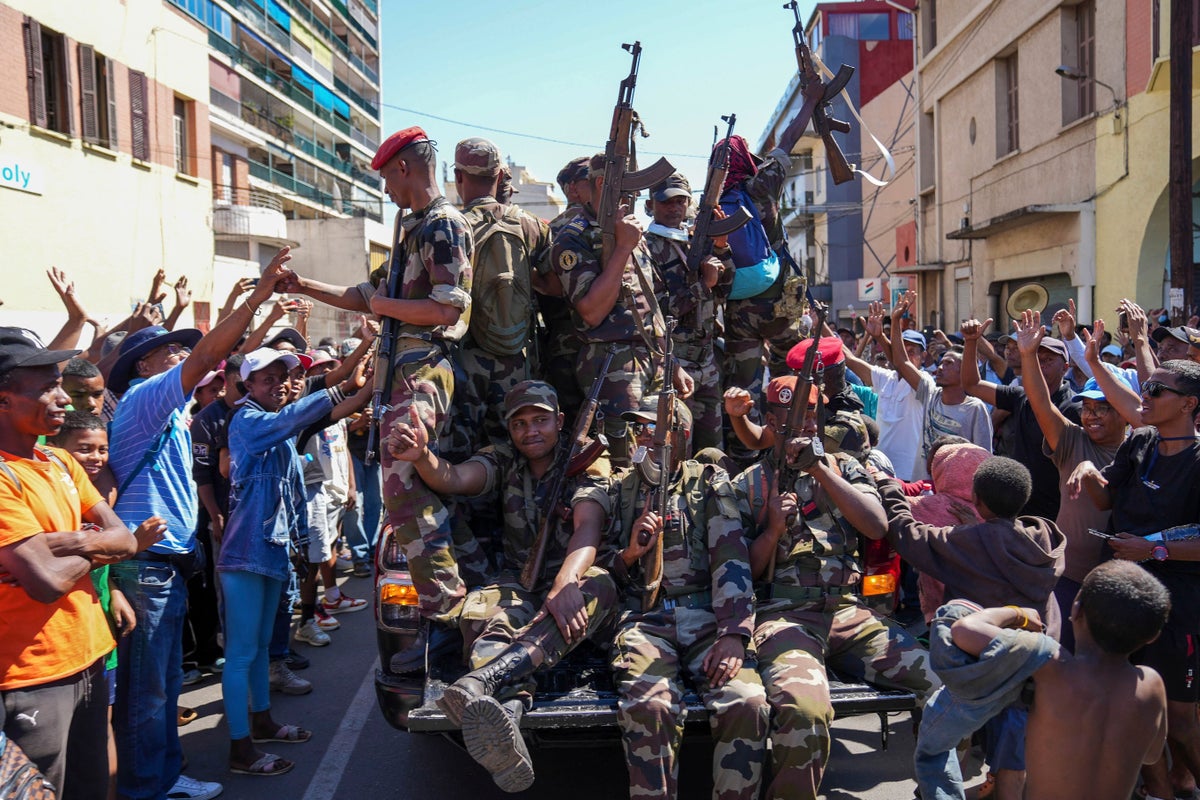
Madagascar Faces Renewed Unrest: A Deep Dive into the Protests and Political History
Madagascar is currently navigating a period of notable political and social upheaval. Weeks of escalating anti-government protests, spearheaded by a youth-led movement known as “Gen Z madagascar,” have gripped the nation, prompting calls for calm from the African Union. This situation isn’t new for Madagascar, a country with a long and complex history of political instability. Let’s break down what’s happening, the underlying causes, and the potential implications.
The Spark: Protests Erupt Over Basic Services
The unrest began on September 25th, initially triggered by widespread frustrations over frequent water and electricity outages.Though, these initial grievances quickly broadened into a larger expression of discontent with the current management led by President Andry rajoelina.The United Nations reports at least 22 deaths and numerous injuries resulting from the demonstrations, though the government disputes these figures.
Beyond Utilities: A Multifaceted Grievance
You’ll find that the protests aren’t simply about a lack of essential services. Protesters are voicing concerns across a wide spectrum of issues, including:
* Economic hardship: Poverty and the rising cost of living are major drivers of discontent.
* Educational access: Limited opportunities for tertiary education are fueling frustration among young people.
* Corruption allegations: accusations of corruption and embezzlement involving government officials and their associates are widespread.
* general dissatisfaction: A growing sense that the government isn’t addressing the needs of its citizens.
Civic groups and trade unions have amplified these concerns by joining the demonstrations,leading too the implementation of nighttime curfews in Antananarivo and antsiranana. These curfews remain in effect as of this writing.
The Rise of “Gen Z Madagascar” and digital Activism
What’s particularly noteworthy is the role of “Gen Z Madagascar” in mobilizing these protests. This digitally-native generation has leveraged the internet and social media to organize and inspire action. They cite inspiration from successful protest movements in Nepal and Sri Lanka,demonstrating a clear understanding of how to leverage collective action for political change.
A History of instability: Understanding Madagascar’s Past
To truly understand the current crisis, it’s crucial to recognize Madagascar’s history of political turmoil.As gaining independence from France in 1960, the nation has experienced multiple coups and periods of instability.
President Rajoelina himself first rose to power following a 2009 coup that ousted than-President Marc Ravalomanana.He was subsequently elected president in 2018 and re-elected in 2023, though the latter election was boycotted by opposition parties, raising questions about its legitimacy.This pattern of political upheaval underscores the fragility of Madagascar’s democratic institutions.
The African Union’s Response and the Path Forward
The African Union has urged all parties – both civilian and military – to exercise restraint and de-escalate the situation. This is a critical step, but lasting stability will require more than just a call for calm.
Addressing the root causes of the protests – economic hardship, corruption, and lack of opportunity – is paramount. A genuine dialog between the government and opposition groups,coupled with concrete steps towards clarity and accountability,will be essential to restoring trust and preventing further unrest.
Looking ahead: The situation in Madagascar remains fluid. Continued monitoring of the political landscape, coupled with a commitment to addressing the underlying grievances of the population, will be vital in determining the country’s future.
Disclaimer: This article provides information based on currently available reports as of October 13, 2025. The situation is subject to change.
Keep reading