Madrid, the vibrant capital of Spain, serves as a global hub where historic tradition and modern urban life converge. With a population exceeding 3.4 million in the city proper as of 2025, the city stands as the second-largest municipality in the European Union, trailing only Berlin, according to data from the City Council of Madrid. Beyond its status as a government center, the city is defined by its extensive cultural landscape, ranging from the architectural grandeur of its historic center to the world-class collections housed within the Golden Triangle of Art.
For visitors and residents alike, the city offers a dense concentration of historical sites, including the Royal Palace and the iconic Gran Vía. As noted by travel observers, the city’s identity is deeply rooted in its neighborhoods, such as La Latina, and its culinary traditions, which remain central to the local experience. Whether exploring the expansive collections at the Museo del Prado or participating in the city’s celebrated nightlife, Madrid continues to function as a significant cultural and social center in Europe.
A Cultural and Architectural Landmark
Madrid’s reputation as a cultural powerhouse is anchored by its museums, most notably the Golden Triangle of Art. This collection includes the Museo del Prado, the Centro de Arte Reina Sofía, and the Museo Thyssen-Bornemisza. The Prado, in particular, holds a position of international importance, housing masterpieces by Spanish artists such as Diego Velázquez, Francisco Goya, and Francisco Zurbarán. Among its most cited works is Velázquez’s Las Meninas, a piece frequently described as a cornerstone of Western art history, as detailed in recent cultural reporting by Lonely Planet.
The city’s urban geography, situated at an elevation of approximately 660 meters (2,170 feet) on the Manzanares River, provides a unique backdrop for its historical architecture. The cityscape is marked by landmarks such as the Plaza Mayor and the Palacio de Cibeles. These sites are not merely tourist destinations but are active components of the daily life of the Community of Madrid, which governs the province and the surrounding autonomous region.
Navigating the Capital
Planning a visit to Madrid requires an understanding of its scale; with a metropolitan population reaching approximately 6.8 million, the city requires a strategic approach for those looking to experience its diverse offerings. Experts recommend dedicating at least two to three days to cover the primary highlights, including the Royal Palace and the city’s various rooftop bars and local dining spots. For those with extended time, the proximity of cities like Toledo, Segovia, and Ávila makes Madrid an ideal base for broader regional travel within Spain.
The city’s infrastructure supports a high volume of domestic and international visitors, maintaining its status as a major European destination. According to updated 2026 travel guidance, travelers are encouraged to verify opening hours and entry requirements for major museums in advance, as these institutions often manage high visitor traffic throughout the year. The blend of ancient historical sites and modern urban amenities ensures that the city remains a focal point for international tourism and cultural exchange.
The Social Fabric of Madrid
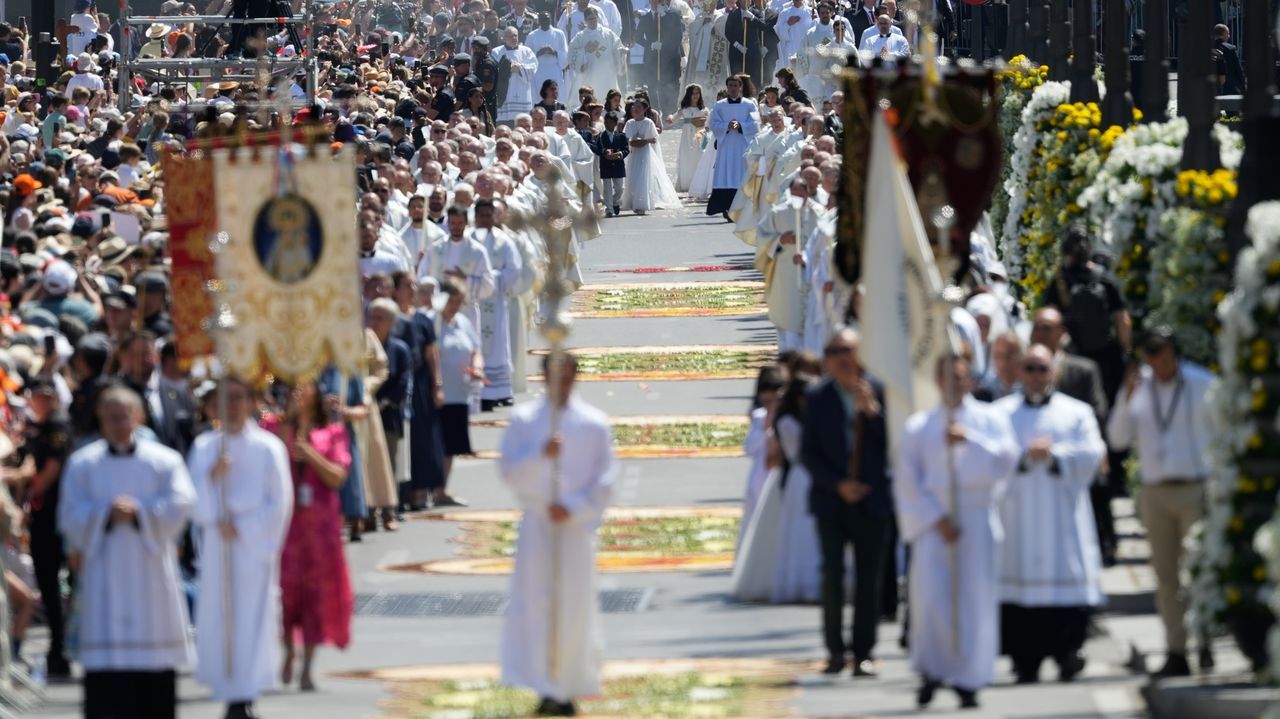
The social life of Madrid is defined by its public spaces and its commitment to preserving local traditions. From the Feast of Saint Isidore—the city’s main festivity—to the daily activity in its neighborhood plazas, the city maintains a strong connection to its past while functioning as a contemporary metropolis. The municipal government remains the primary body responsible for the management of the city’s services, ensuring that its historical landmarks remain accessible to the public while balancing the needs of its growing population.

As of June 2026, the city continues to update its public resources to provide clearer information for residents and visitors. Those seeking the most current information regarding city services, public events, or cultural programming should consult the official municipal portal for verified updates. We encourage our readers to share their own experiences or questions regarding the city’s evolution in the comments section below.