The Maduro Indictment: Echoes of Noriega and the Legal Road Ahead
The recent arrest of Venezuelan President Nicolás Maduro in the united States has sent ripples through international politics and sparked intense legal scrutiny. Charged with drug trafficking and related offenses, Maduro’s case draws striking parallels – and crucial distinctions – to the 1989 apprehension of Panamanian leader Manuel Noriega. This article delves into the complexities of the Maduro indictment, examining the legal precedents, potential defenses, and what to expect as the case unfolds.
A History of U.S.Intervention & drug Trafficking Allegations
Both Noriega and Maduro were, at the time of their indictments, effectively heads of state facing U.S. criminal charges related to drug trafficking.Both men were accused of facilitating the flow of narcotics into the United States. However, the circumstances surrounding their apprehensions differ considerably.
As geoffrey Corn, a law professor at texas Tech university and former intelligence officer, points out, the 1989 invasion of Panama wasn’t solely about arresting noriega. “We went into Panama out of legitimate concern that the lives of Americans were in danger,” he explains. “We didn’t invade a country to arrest somebody.”
Maduro’s arrest, in contrast, occurred after he voluntarily traveled to the United States, though he now claims he was “captured.” This distinction is critical in understanding the legal arguments likely to be deployed.
The Charges: A Detailed Look at the Indictment
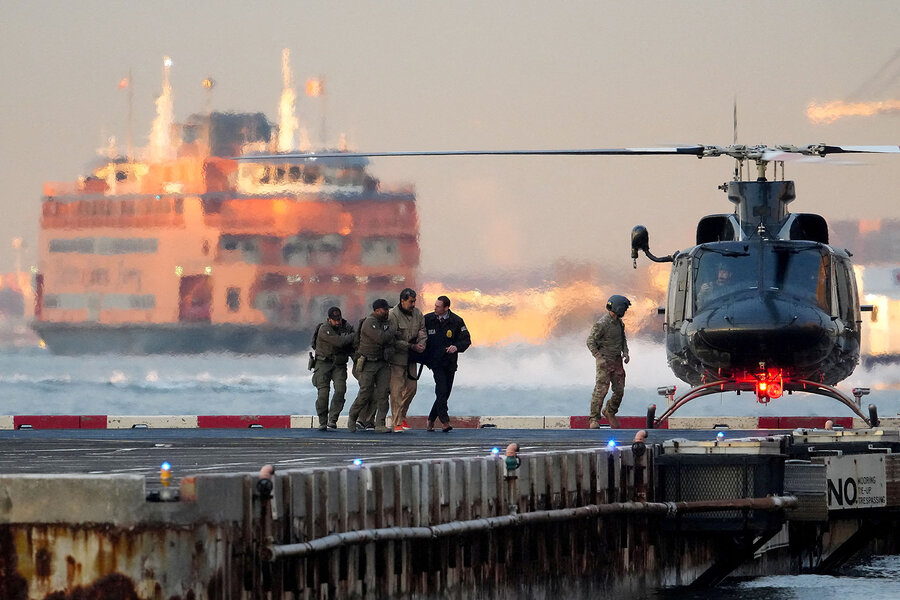
Maduro and his wife, Cilia Flores, appeared in a New York court on Monday, pleading not guilty to four counts related to drug trafficking and weapons violations. The Department of Justice (DOJ) indictment implicates a wider network, including Maduro’s son, two other Venezuelan officials, and the leader of the Tren de Aragua gang.
The indictment paints a damning picture, alleging that Maduro has leveraged his government’s power since 1999 to collaborate with multiple Latin American drug cartels. Specifically, the DOJ alleges Maduro facilitated the distribution of “tons of cocaine” into the United States.
Here’s a breakdown of the key accusations:
* Drug Trafficking Conspiracy: Allegations of a long-standing partnership with various cartels.
* Narco-Terrorism: Claims that the drug trafficking activities supported and fueled violence.
* Weapons violations: Charges related to the possession of machineguns and destructive devices.
* Corruption & Abuse of Power: Accusations of using official positions to protect and promote illegal activity.
Potential Legal Defenses & precedents
Maduro’s legal team is expected to raise several arguments, mirroring those attempted by Noriega decades ago. Let’s examine the most likely strategies:
* head of State immunity: This is a central argument. Though, the U.S. government has consistently maintained it does not recognize Maduro as the legitimate leader of Venezuela. This position has been echoed by multiple administrations (both Democratic and Republican) and the European Union. moreover, ten Latin American nations also refused to recognize his controversial reelection last year. This lack of recognition significantly weakens any claim to immunity.
* unlawful arrest: Maduro could argue his arrest was illegal. However, the U.S. Supreme Court’s Ker-Frisbie doctrine establishes that courts have jurisdiction over defendants even if their apprehension wasn’t entirely lawful. This precedent effectively forecloses this line of defense.
* Prisoner of War Status: A less likely, but possible, tactic.If granted prisoner of war status, Maduro would receive more cozy confinement and the right to wear a uniform in court. However, this designation wouldn’t significantly impact the prosecution itself.
What’s Next? The Path Forward
The case is now entering a pretrial phase. Expect a series of hearings focused on:
- Motion to Dismiss: Maduro’s legal team will likely file motions challenging the indictment and seeking dismissal based on the arguments outlined above.
- Discovery: Both sides will exchange evidence, including documents, witness statements, and possibly intercepted communications.
- Pretrial Conferences: The judge will manage the case, set deadlines, and rule on evidentiary matters.
- Trial (if necessary): If the motions to dismiss fail, the case will proceed to trial, where the prosecution will attempt to prove Maduro’s guilt beyond a reasonable doubt.
Implications & Bro
Related reading