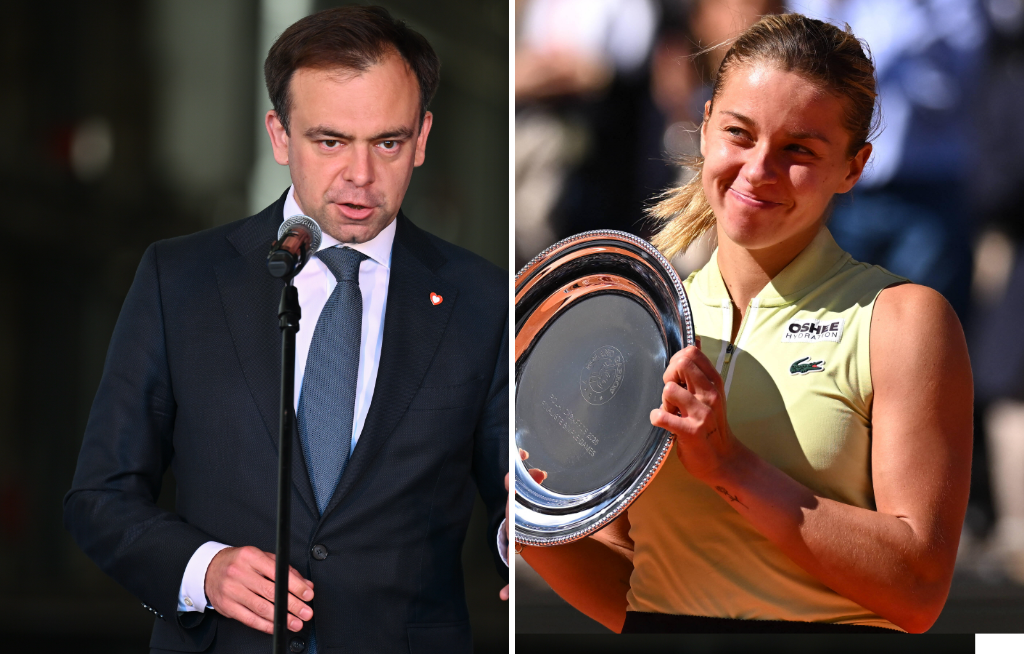
Polish tennis player Maja Chwalińska faces significant tax implications following her recent performance at the Roland Garros tournament. The discussion surrounding her earnings has reached the highest levels of the Polish government, with Minister of Finance Andrzej Domański publicly addressing the complexities of international tax obligations for professional athletes.
The core of the issue involves the taxation of prize money earned by athletes during international competitions. Because the tournament took place in France, the income is subject to the local tax jurisdiction, raising questions about how this interacts with Polish tax residency laws. Minister Domański has indicated that he intends to engage in dialogue with French authorities to clarify the tax treatment of the prize, highlighting the challenges athletes face when navigating cross-border financial regulations.
Understanding International Athlete Taxation
Professional athletes competing on the international circuit often encounter complex tax scenarios. When a player earns prize money in a foreign country, that income is typically subject to withholding tax in the host nation. According to general principles of international taxation, these earnings must then be reported in the athlete’s home country, where tax treaties often exist to prevent double taxation, though the specific application depends on the bilateral agreements between the countries involved.
Minister Domański’s intervention underscores the necessity for clear communication between national tax administrations. In instances where an athlete represents their home country while competing abroad, the classification of that income can sometimes be subject to nuanced interpretation under the OECD Model Tax Convention, which serves as a foundation for many bilateral tax treaties. For professional tennis players, these financial considerations are a regular, albeit complex, part of managing a global career.
The Government’s Role and Next Steps
The Polish Ministry of Finance has signaled that the situation regarding Chwalińska’s earnings is a matter of ongoing assessment. By aiming to discuss the matter with French counterparts, the Minister is seeking to ensure that the taxation process is handled in accordance with established international law and the specific provisions of the Poland-France tax treaty. This type of diplomatic and administrative engagement is standard when questions of interpretation arise regarding the taxation of high-level professional earnings.
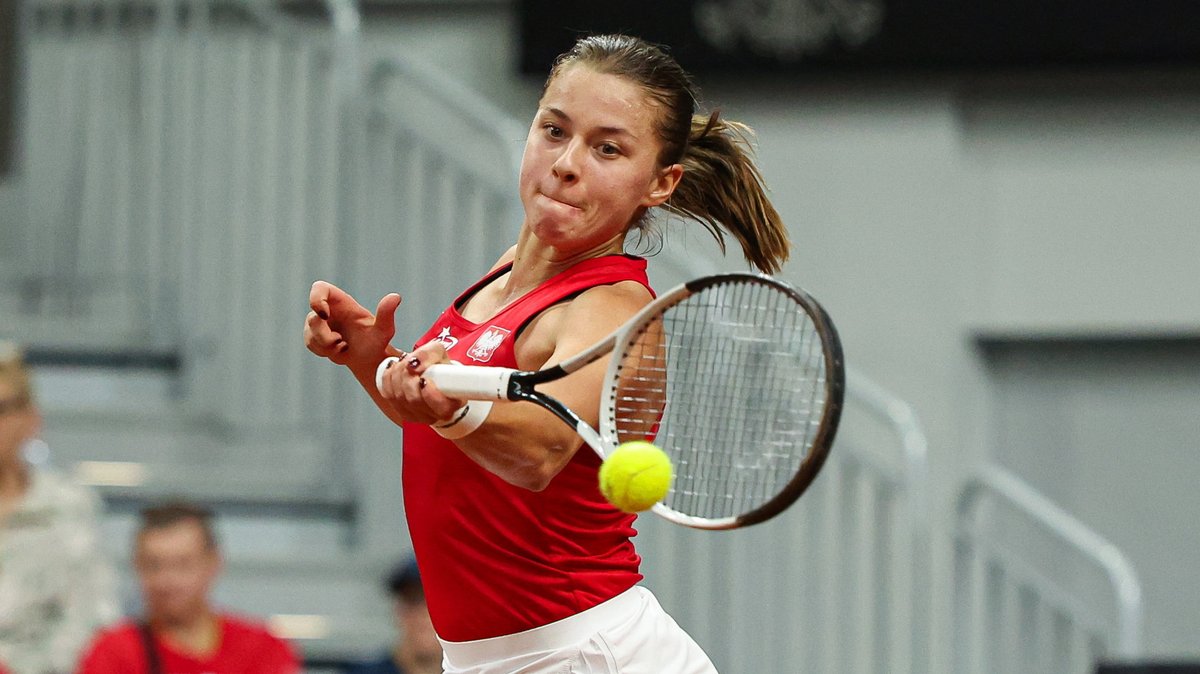
For many athletes, the primary concern is ensuring compliance with both the host nation’s tax authorities and their home country’s tax agency. As this situation develops, the focus remains on whether the current tax framework adequately addresses the professional realities of modern athletes who spend a significant portion of their year competing in various jurisdictions. The Ministry of Finance has not yet provided a final determination on the specific tax liability, as the matter remains under review.
The next official update is expected once the Ministry of Finance completes its consultations with French tax authorities. Readers interested in the evolution of international tax policy and its impact on professional sports are encouraged to share their thoughts or follow our updates for further developments in this ongoing matter.
- England swimmers break records for double gold
- Transfer Manchester United: Gelandang Brighton Kembali Menghubungi Setan Merah Menanyakan Potensi Kepindahan – palpres.disway.id – PALPRES.COM
- Isaac Del Toro Claims White Jersey and Podium in Tour de France Debut (archynewsy.com)
- France and Spain Wildfires: 250,000 People Flee as Military Aid Deploys (time.news)