
In the opaque corridors of power in Tehran, few figures command as much quiet speculation and geopolitical scrutiny as Mojtaba Khamenei. As the son of Iran’s Supreme Leader, Ayatollah Ali Khamenei, Mojtaba has long occupied a position that is both highly influential and intentionally nebulous. While he holds no formal constitutional title that would designate him as a successor, his presence within the inner sanctum of the Islamic Republic has become a focal point for international analysts monitoring the potential for a massive shift in Middle Eastern power dynamics.
The recent surge in discussions regarding Mojtaba Khamenei stems not from a formal change in his status, but from the intensifying scrutiny of his influence and the perceived vacuum created by his selective public appearances. In a political system where visibility is often equated with legitimacy, the strategic management of his public image—or the lack thereof—has fueled theories about the direction of Iran’s leadership and the eventual transition of power within the clerical establishment.
As the Islamic Republic navigates a period of extreme regional volatility and shifting relations with the West, the question of who will follow the aging Supreme Leader has moved from the realm of academic interest to a matter of urgent national security for global powers. The intersection of domestic succession politics and high-stakes diplomacy involving the United States has turned Mojtaba Khamenei into a symbol of the uncertainty that defines modern Iranian geopolitics.
The Shadow of Succession: Analyzing Mojtaba Khamenei’s Role
To understand the significance of Mojtaba Khamenei, one must first understand the structure of the Iranian state. The Supreme Leader sits at the apex of the political, religious and military hierarchy, wielding ultimate authority over the Islamic Revolutionary Guard Corps (IRGC), the judiciary, and foreign policy. While the formal process for choosing a successor involves the Assembly of Experts, the practical reality of power often resides in the networks of trust and kinship that surround the Leader.
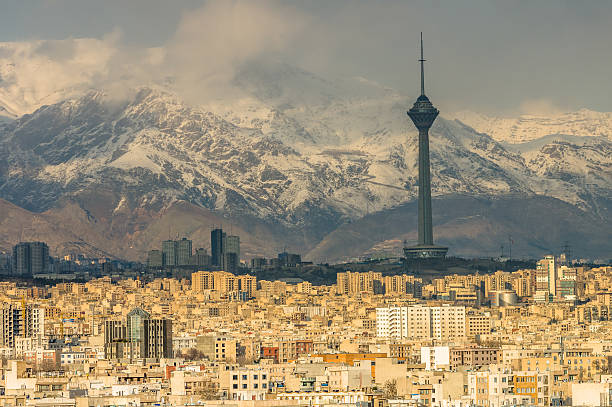
Mojtaba Khamenei is widely viewed by intelligence agencies and political analysts as a central figure in these networks. Unlike the formal clerical hierarchy, which relies on traditional religious scholarship, Mojtaba’s influence is believed to stem from his deep connections within the IRGC and his ability to navigate the complex web of the Iranian security apparatus. This “shadow influence” allows him to exert pressure on policy decisions without the burden of official accountability.
The intense public and political scrutiny surrounding his role is compounded by the lack of transparency regarding his specific duties. In the streets of Tehran and among the diaspora, the debate over his potential ascension is a constant undercurrent. For the regime, maintaining his status as a potent but non-threatening figure is essential for stability; for the West, his potential rise represents a shift toward a more securitized and potentially more assertive Iranian leadership.
Diplomatic Friction: Araghchi, Trump, and the Limits of Engagement
The complexities of Iran’s internal power structure are frequently reflected in its external diplomatic maneuvers. Recently, the role of Iran’s Foreign Minister, Abbas Araghchi, has become crucial in managing the expectations of the international community, particularly as the political landscape in the United States undergoes significant shifts.
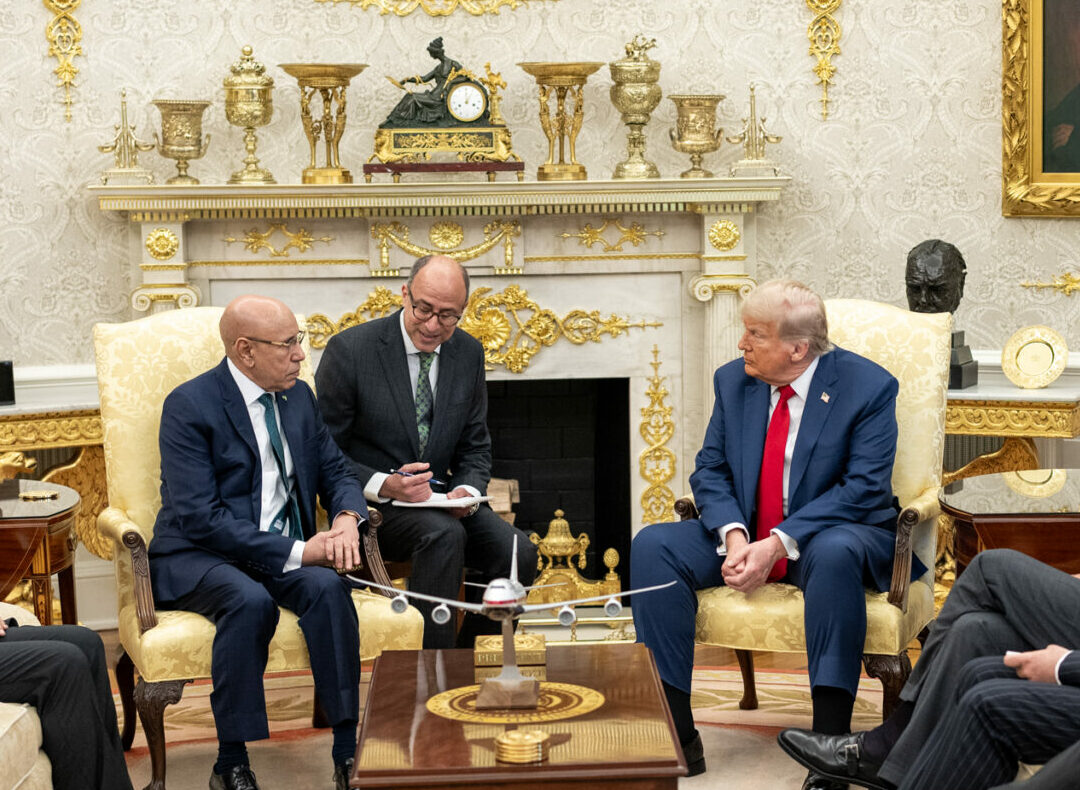
In recent diplomatic exchanges, Araghchi has been tasked with defining the boundaries of Iranian engagement with the West. Amidst speculation regarding potential high-level meetings or shifts in policy following developments in U.S. Politics, Araghchi has maintained a stance of disciplined realism. Addressing rumors of direct high-level contact or unprecedented diplomatic breakthroughs, Iranian officials have emphasized that such scenarios remain highly unlikely under current conditions.
The mention of potential interaction with U.S. Political figures, including Donald Trump, highlights the delicate balancing act Tehran must perform. While the Iranian leadership remains deeply suspicious of U.S. Intentions, they are also keenly aware of the necessity of managing economic and security pressures. Araghchi’s recent rhetoric suggests that the Iranian government is prioritizing a predictable, state-to-state approach over the speculative or “extraordinary” diplomatic channels often discussed in international media.
This stance serves two purposes: it manages the expectations of both domestic hardliners and foreign adversaries, and it reinforces the idea that the Islamic Republic operates through established, albeit rigid, institutional channels rather than through individual-led or ad-hoc negotiations. By downplaying the possibility of sudden diplomatic pivots, Araghchi is attempting to anchor Iran’s international standing in a framework of controlled, predictable tension.
The Geopolitical Stakes of an Iranian Power Shift
The potential transition of power in Iran is not merely an internal matter; it is a seismic event with implications for the entire Middle East and global energy security. The nature of the successor—whether a traditional cleric or a figure more closely aligned with the security-focused IRGC—will dictate Iran’s future posture regarding regional proxies, nuclear ambitions, and maritime security.
If the succession leans toward a more securitized leadership, such as a figure with deep ties to the military apparatus, several key geopolitical shifts could occur:
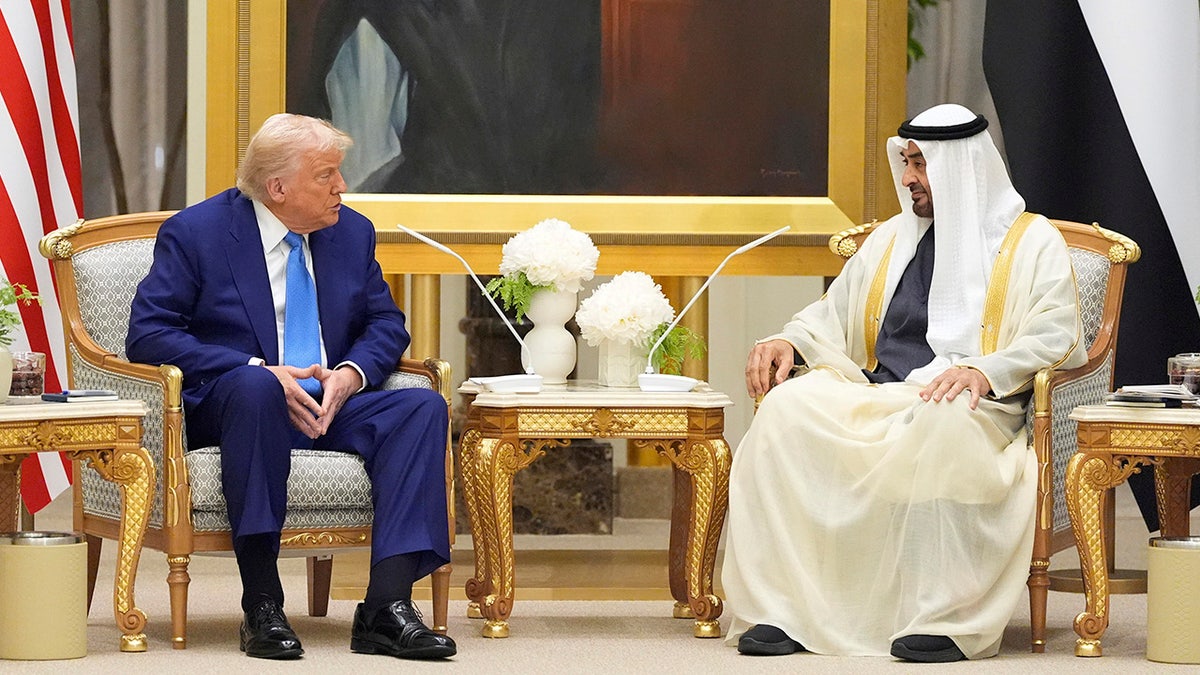
- Increased Regional Assertiveness: A leadership more closely integrated with the IRGC may prioritize the “Axis of Resistance” and the expansion of influence through non-state actors in Lebanon, Yemen, and Iraq.
- Hardened Nuclear Stance: The intersection of military and political power often leads to a more uncompromising approach to the nuclear program, potentially complicating future non-proliferation efforts.
- Shift in Diplomatic Modalities: A move away from traditional clerical diplomacy toward a more transactional, security-based foreign policy could change how Iran engages with both regional rivals and global superpowers.
the stability of the Iranian state during a succession period is a primary concern for global markets. Any perceived weakness or internal struggle for power within the Tehran leadership could lead to increased volatility in oil prices and heightened tensions in strategic waterways like the Strait of Hormuz. The international community is essentially watching to see if the Iranian political system is robust enough to manage a transition without triggering a period of internal chaos or external conflict.
Key Takeaways: Navigating the Iranian Uncertainty
For analysts and policymakers, understanding the current landscape in Tehran requires looking past the official communiqués and focusing on the underlying shifts in power. The following points summarize the critical elements of the current situation:
- The Rise of the Security Elite: The growing influence of figures like Mojtaba Khamenei signals a potential long-term trend toward the integration of political and military power in Iran.
- Diplomatic Realism over Speculation: Foreign Minister Abbas Araghchi’s recent statements underscore a policy of managing expectations and resisting the lure of unrealistic diplomatic breakthroughs.
- Succession as a Geopolitical Variable: The eventual transition of power in Iran remains one of the most significant “known unknowns” in global politics, with the potential to reshape regional alliances.
- Institutional Resilience vs. Individual Influence: The tension between formal clerical institutions and informal power networks will be the defining struggle of the next era of Iranian governance.
As the world watches the developments in Tehran, the focus remains on whether the Islamic Republic can maintain its current trajectory or if the pressures of succession and international isolation will force a fundamental transformation of the state.
Next Checkpoint: Observers will be closely monitoring the upcoming sessions of the Assembly of Experts and any official statements from the Office of the Supreme Leader regarding institutional appointments or policy shifts.
What are your thoughts on the evolving political landscape in Iran? Do you believe the current leadership is preparing for a seamless transition? Share your insights in the comments below and share this article to join the global conversation.
Related reading