The German athletics calendar continues to provide compelling narratives for fans and analysts alike, with the Goldenes Oval meeting in Dresden serving as a key fixture for elite competitors. As the sport looks toward high-profile international circuits, discussions surrounding the growth and future status of regional meetings have become a point of interest for the track and field community.
The event, hosted at the Heinz-Steyer-Stadion, recently showcased a diverse array of talent, featuring both established international stars and rising German athletes. Among the notable performances in the 2025 edition, held on June 1, 2025, were high-level displays in events ranging from the women’s long jump to the men’s 1500 meters, according to official World Athletics competition results.
Elite Competition in Dresden
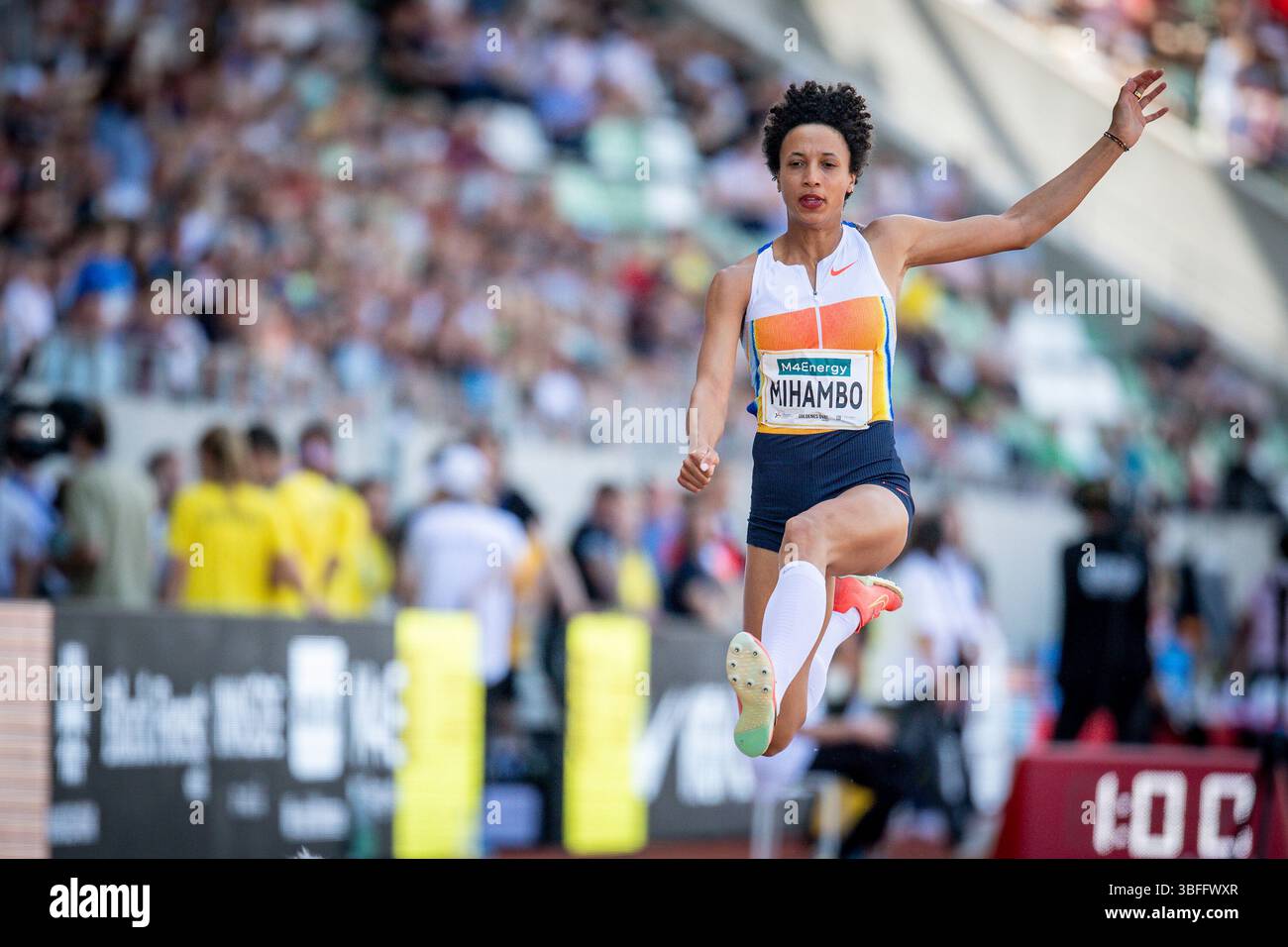
The Goldenes Oval has established itself as a significant platform for athletes to secure qualifying marks and refine their form in a competitive environment. The 2025 meeting saw significant participation, with athletes competing under specific wind conditions and rigorous officiating standards. For instance, in the women’s long jump, Malaika Mihambo secured a distance of 6.66 meters with a +0.5 wind reading, underscoring the technical precision required at this level of the sport.
The men’s track events were equally competitive, with the 400 meters final seeing Daniel Segers of Belgium take the top spot with a time of 44.95 seconds. The 1500 meters race provided a tactical challenge, with Pierrik Jocteur-Monrozier of France crossing the finish line in 3:33.25. These results, verified through official World Athletics data, highlight the caliber of athletes who frequent the Dresden track.
The Evolving Landscape of Athletics Meetings
For sports journalists and followers of the Diamond League, the question of how regional meetings like the Goldenes Oval integrate into the broader ecosystem of international athletics is a recurring topic. While major circuits like the Diamond League operate on a specific invitation and qualification structure, regional meetings remain the backbone of the sport, providing the necessary infrastructure for athletes to develop, compete, and meet the rigorous standards of international governing bodies.
The infrastructure at venues like the Heinz-Steyer-Stadion is essential for maintaining these performance standards. As the sport of athletics continues to professionalize, the synergy between local organizers and international federations is vital. Athletes rely on these consistent, well-organized events to maintain their world rankings and prepare for the peak of the championship season.
What Lies Ahead for Athletes
As the 2025 season progresses, the focus for many of these competitors shifts toward upcoming national championships and major international qualifiers. For fans interested in following the progress of these athletes, official World Athletics event calendars and local federation updates remain the most reliable sources of information regarding future meeting dates and qualification status.
The transition from regional meetings to the global stage is rarely a linear path, but the consistency offered by events like the Goldenes Oval provides the foundation upon which elite careers are built. Athletes, coaches, and federations continue to evaluate these venues for their ability to host high-stakes competition under optimal conditions.
We welcome your thoughts on the development of regional athletics meetings and the impact they have on the sport’s global growth. Please share your insights in the comments section below as we continue to track the performances of these elite athletes throughout the 2025 campaign.
Worth a look